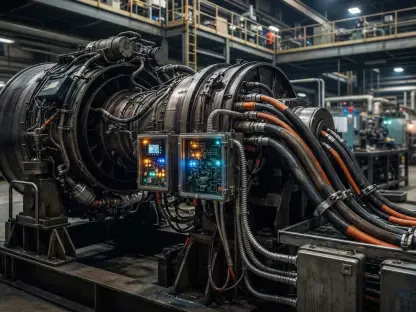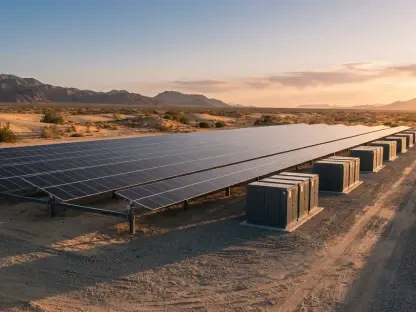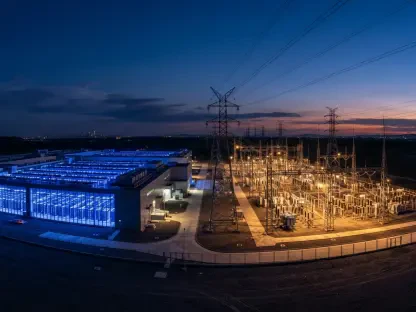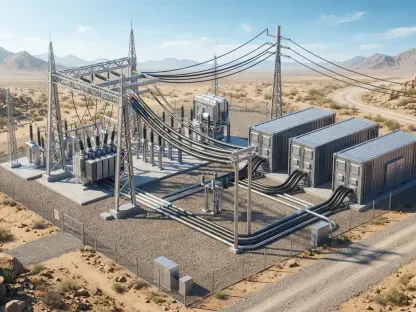
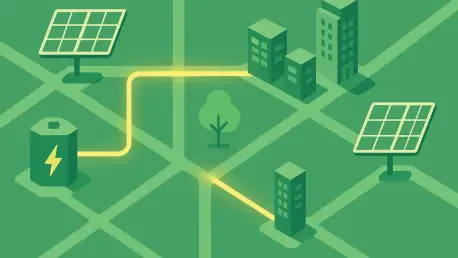
The fundamental architecture of global energy consumption is undergoing a radical shift as traditional conservation methods yield to a sophisticated era of digital oversight and hardware innovation. This evolution marks a departure from passive energy saving—often characterized by simple behavioral

The recent finalization of interconnection standards by the Public Utility Commission of Texas represents a strategic pivot toward sustaining the state's digital infrastructure without compromising the integrity of the power grid. As Texas continues to attract massive investments from technology

The global energy system has reached a critical tipping point where the sheer density of connected devices now outnumbers traditional control points by a factor of ten to one. This transformation is most visible across the European continent, where the shift from centralized fossil fuels toward a

The ongoing transformation of the global electricity landscape has positioned hydropower not merely as a legacy asset, but as the indispensable architect of a resilient and flexible renewable energy future. While traditional energy sources face increasing scrutiny and variable renewables like wind

The once-indisputable dominance of the internal combustion engine is finally crumbling as global logistical networks pivot toward a future defined by silent electricity and zero-emission hydrogen molecules. This transition represents a fundamental departure from the carbon-intensive models that

Maintaining the seamless movement of essential goods and citizens throughout the United Kingdom requires a radical departure from the outdated, centralized energy models that currently leave the national transport network vulnerable to sudden systemic shocks. The urgency of this transformation is