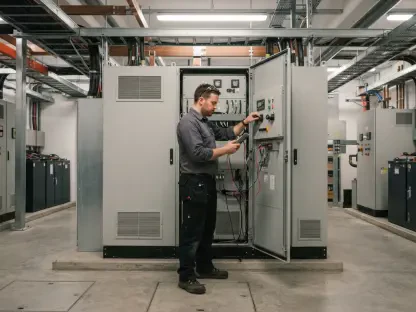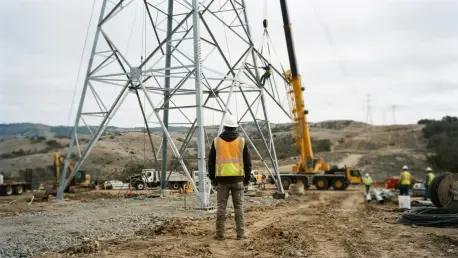

The sweeping legislative effort to modernize the nation’s crumbling power grid has reached a critical juncture that will define the industrial landscape for the remainder of this decade. Following a decisive 62-33 vote in the Senate, the Bipartisan American Affordability and Jobs Act now transitions to the House of Representatives, where it faces a much more volatile political environment. This shift occurs as energy costs and grid reliability have become primary concerns for both residential consumers and large-scale industrial players. The bill aims to overhaul the federal permitting process, potentially cutting years off the timeline for critical infrastructure. However, the deep-seated ideological divisions in the lower chamber suggest that the path toward final implementation remains fraught with significant political and economic obstacles.
Navigating the Legislative Path: The Road to Energy Reform
Modernizing the energy grid is no longer a luxury but a necessity, as the current economy demands higher efficiency and faster integration of new power sources. Historically, the federal permitting process has acted as a bottleneck, often stalling projects for ten to fifteen years due to complex litigation and overlapping jurisdictions. These delays have not only increased capital costs but also hampered the country’s ability to stabilize utility rates.
The current reform package represents a hard-fought compromise that builds on several years of intense negotiations. It seeks to balance the immediate need for industrial expansion with the long-standing requirements of environmental oversight. By streamlining these processes, the legislation aims to create a more predictable environment for investors, which is essential for the large-scale infrastructure projects planned between 2026 and 2030.
The Long Road: Understanding Permitting Modernization
The quest to update America’s energy infrastructure has gained unprecedented urgency as the nation grapples with rising costs and the need for carbon reduction. Understanding this backdrop is essential, as the bill represents a delicate compromise negotiated with White House involvement. It is intended to address the systemic bottlenecks that have hindered both renewable and traditional energy development for generations.
Analyzing the Conflict: Implementation and Interest Groups
As the legislation moves forward, the focus shifts to how different stakeholders interpret the potential impacts on local economies and the environment.
Stakeholder Support: The Push for Grid Modernization
Proponents argue that the current regulatory framework is insufficient for an age where data centers and electric vehicle infrastructure require rapid grid expansion. Industry groups believe streamlining transmission regulations is vital for grid reliability across state lines. This focus on modernization has garnered support from various sectors that prioritize speed and efficiency in project delivery.
A notable success for the bill’s advocates was the inclusion of amendments specifically designed to protect local interests. By exempting locally governed electric cooperatives from certain federal mandates, negotiators managed to secure the support of rural energy providers. This move illustrates the complexity of building a coalition that satisfies both large utility companies and community-based energy organizations.
Environmental Concerns: Tribal Sovereignty and Preservation
Skeptical lawmakers and environmental organizations contend that the legislation effectively undermines existing protections and sidelines state authorities. Critics argue that the bill prioritizes industrial speed over local ecological needs and conservation standards. There is a persistent concern that the removal of certain oversight layers could lead to long-term environmental degradation that state-level agencies are currently equipped to prevent.
Tribal rights have also emerged as a major point of contention, with some asserting that the bill fails to provide adequate engagement with indigenous communities. Proposed changes to historic preservation laws are seen as a direct threat to sovereign rights, creating a narrative that the legislation prioritizes corporate expediency over cultural heritage. This friction highlights the difficulty of achieving a consensus that respects both development and social justice.
Internal Friction: Unlikely Political Alliances
The opposition to the bill is not strictly partisan, as evidenced by pushback from the right and internal procedural disputes. Critics from the right fear that the legislation favors industrial data centers at the expense of agricultural interests, highlighting a rift between rural priorities and high-tech energy demands. This cross-partisan resistance underscores the regional tensions that exist within the national energy debate.
Additionally, the legislative process has been complicated by certain senators who protested the exclusion of amendments regarding land use. These internal disagreements suggest that the bill is caught in a multi-front battle involving diverse economic and regional priorities. Such gridlock demonstrates that the bill is not just a fight between two parties, but a struggle to define national priorities in an era of rapid change.
Future Trends: Evolving Energy Infrastructure Policy
The expansion of artificial intelligence and high-density computing will likely continue to drive energy demand to unprecedented levels. This trend necessitates a policy shift where infrastructure development is treated as a matter of national security and economic competitiveness. We can expect future legislative efforts to increasingly focus on decoupling federal oversight from local project execution to bypass the current gridlock seen in Washington.
Actionable Insights: Strategic Recommendations for Stakeholders
For businesses and professionals in the energy sector, the current legislative climate necessitates a proactive approach to regulatory compliance. Companies should prepare for a shifting permitting landscape by investing in robust environmental impact assessments early in the project lifecycle. Stakeholders must remain agile, as any final version of permitting reform will likely require higher levels of transparency and collaboration with tribal and local entities than in previous decades.
The High Stakes: Federal Energy Reform in Context
The debate surrounding the Bipartisan American Affordability and Jobs Act highlighted the intense pressure on federal systems to adapt to a changing market. While the Senate approval provided a brief moment of momentum, the hurdles in the House proved that consensus on national infrastructure remained elusive. Lawmakers faced the reality that streamlining development often came at the cost of long-standing environmental and community protections.
Ultimately, the legislative process revealed that true modernization required more than just faster timelines; it demanded a fundamental rethinking of how the federal government interacted with local and tribal authorities. Stakeholders recognized that the path to energy independence depended on a more inclusive approach that balanced industrial speed with the preservation of regional autonomy. This period established a new baseline for future negotiations, ensuring that infrastructure policy remained at the forefront of the national economic agenda.