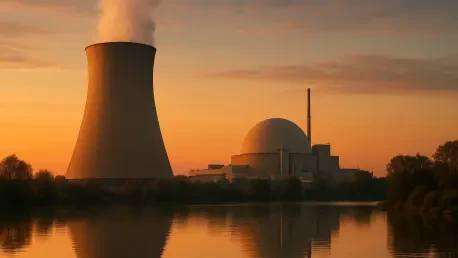

Local leaders believe that communities hosting nuclear infrastructure for decades have earned the right to influence decommissioning timelines. The debate in Spain has moved into a decisive phase as the energy landscape of Catalonia faces a profound transformation. While the central government has historically pushed for a strict phase-out calendar, the necessity of a stable power supply has forced a re-evaluation of the reactors at Ascó and Vandellós. These facilities currently generate roughly 60% of the region’s electricity, acting as a foundational pillar for industrial operations and residential reliability alike. Without a clear extension, the province of Tarragona risks an economic vacuum that renewable projects are currently unable to fill. This is not merely a technical dispute but a question of how regional autonomy and national security intersect during a period of high global energy volatility. The push for an operational extension represents a strategic pivot toward safeguarding the existing infrastructure until a viable green alternative is fully operational across the local grid.
Ensuring Grid Reliability: The Concept of Constant Baseload Power
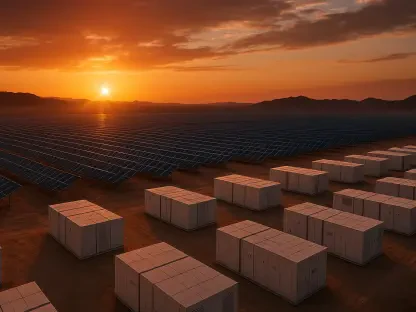
The primary technical justification for prolonging the life of Catalan nuclear assets centers on the necessity of baseload power. In the current energy climate of 2026, the transition to wind and solar has made significant strides, yet these sources remain inherently variable and susceptible to weather fluctuations. Nuclear energy provides the steady, non-intermittent flow of electricity required to maintain grid frequency and prevent catastrophic failures. In Catalonia, the rollout of massive solar and wind farms has encountered persistent administrative delays and geographical challenges, leaving the system vulnerable if nuclear units are retired too early. By maintaining the operational status of these reactors, the region ensures that its heavy industry and urban centers have access to power regardless of meteorological conditions. This reliability serves as an essential safety net that allows for the continued expansion of variable renewables without risking the immediate integrity of the overall electrical transmission system.
Looking at the national landscape, the precedent established by the Almaraz plant in Extremadura offers a logical roadmap for Catalonia to follow. When the state granted an operational extension to Almaraz to secure system stability, it acknowledged that nuclear energy remains an indispensable component of the Spanish energy mix. Proponents argue that the same pragmatic standards must be applied to the Tarragona reactors, where the contribution to the regional energy balance is even more significant. Avoiding the pitfalls of a rushed transition is paramount, especially following the lessons learned from recent energy shortages that threatened industrial productivity across Southern Europe. An extension provides a buffer against market volatility and ensures that Catalonia does not become overly dependent on imported energy or fossil-fuel-based alternatives during periods of low renewable output. This strategic foresight is viewed as a necessary measure to protect the region’s economic sovereignty while the broader national grid undergoes its multi-decade evolution.
Economic Resilience: Preserving Regional Jobs and Social Fabric
Beyond the technicalities of power generation, the nuclear industry serves as the central economic engine for the Ribera d’Ebre region. In towns like Ascó, the local reactors are the primary source of high-quality employment, supporting thousands of families through direct roles and a vast network of indirect services. The financial health of these municipalities is intrinsically tied to the tax revenues generated by nuclear facilities, which fund schools, healthcare, and infrastructure improvements. A premature shutdown would likely trigger a rapid socio-economic decline, leading to business closures and a significant loss of the young population to larger urban centers. Extending the operational lifespan of these plants provides an essential economic runway, allowing for a more gradual and deliberate diversification of the local economy. This extra time is vital for developing new industrial sectors and ensuring that the transition to a post-nuclear era does not leave behind a legacy of abandoned towns and localized poverty.
The social dimension of nuclear energy in Catalonia is characterized by a unique level of acceptance that distinguishes it from many other parts of the world. Communities hosting these facilities for generations have developed a deep familiarity with the technology, viewing the plants as a standard part of their daily landscape. Unlike the sentiment often found elsewhere, residents in Tarragona are typically well-informed regarding the safety protocols and the benefits of the industry. This high level of social integration provides a stable political foundation for extending operations, as local stakeholders prioritize the tangible benefits of economic stability over abstract ideological opposition. This cultural pragmatism allows policymakers to focus on long-term planning without the immediate pressure of localized protest. Recognizing the voice of these host communities is a matter of democratic fairness, as those who live alongside the infrastructure are the most directly impacted by the decisions made in government regarding the future of their regional livelihoods.
Scientific Pragmatism: Balancing Environmental Goals with Physics
There is a growing consensus that energy policy must move past partisan ideology and toward a framework based on scientific and technical pragmatism. For years, the nuclear debate was often framed through political lenses that ignored the complex realities of electrical engineering and grid management. However, as the demands for deep decarbonization grow more urgent in 2026, many experts advocate for a post-ideological approach. This perspective prioritizes the laws of physics and economic feasibility, suggesting that engineers and economists should have a greater role in designing the energy roadmap than political strategists. The focus is shifting toward objective metrics such as carbon intensity, system reliability, and cost-effectiveness. In this context, extending the life of existing nuclear plants is seen as a rational choice that supports environmental goals by providing massive amounts of carbon-free electricity. This pragmatic shift recognizes that an ideological rejection of nuclear power could inadvertently lead to a higher reliance on natural gas.
Furthermore, the environmental narrative is being reframed from a competition between nuclear and renewables to a partnership against carbon emissions. Instead of viewing these technologies as mutually exclusive, experts increasingly define nuclear energy as the ideal partner for a green grid. It provides a stable carbon-free base that offsets the intermittency of wind and solar power, allowing the region to maintain low-emission targets even when weather conditions are unfavorable. This synergy is crucial for meeting the ambitious goals set by the Paris Agreement, as Catalonia strives to eliminate fossil fuels from its energy portfolio. By utilizing the existing nuclear infrastructure as a bridge, the region can avoid the spike in CO2 emissions that has occurred in other countries where nuclear plants were decommissioned before sufficient renewable capacity was online. This approach treats nuclear energy as a sophisticated tool for climate mitigation, ensuring that the transition remains focused on the primary objective of reducing the overall carbon footprint of the industrial sector.
Strategic Integration: Shaping a Realistic Path to Sustainability
Establishing a realistic timeline for the green transition is the ultimate goal of the current push for nuclear extension in Catalonia. While the vision of a completely renewable economy is widely supported, the physical infrastructure required to support an advanced industrial society is still in a phase of significant development. The current pace of installing battery storage and modernizing the transmission grid suggests that a total reliance on wind and solar is not yet feasible without substantial backup. Extending the operation of the Ascó and Vandellós plants allows for a controlled evolution of the energy system, preventing the shocks that often accompany sudden structural shifts. It gives the region the necessary time to refine its renewable strategies and to integrate emerging technologies like green hydrogen and long-duration storage. This measured approach ensures that the transition is characterized by progress and stability rather than desperation or economic compromise, marking a commitment to a future where energy is both clean and consistently available.
In the final analysis, the strategic necessity of maintaining nuclear operations in Catalonia became clear as the region balanced its climate ambitions with the hard realities of energy physics. Policymakers and local leaders recognized that the path to a sustainable future required the continued use of reliable carbon-free assets. The decision to pursue an extension for the Tarragona plants served as a pragmatic solution to prevent economic volatility and ensure grid integrity. This move protected the social fabric of the host communities while providing the essential bridge needed for the full integration of renewable energy sources. Moving forward, the focus shifted toward accelerating the deployment of green infrastructure and diversifying regional economies to prepare for an eventually post-nuclear landscape. By prioritizing technical stability over political symbolism, the government ensured that Catalonia’s energy transition remained secure and prosperous. This strategy acknowledged that a successful shift to a zero-carbon economy must be built on reliability.