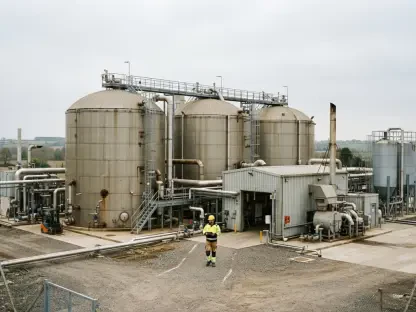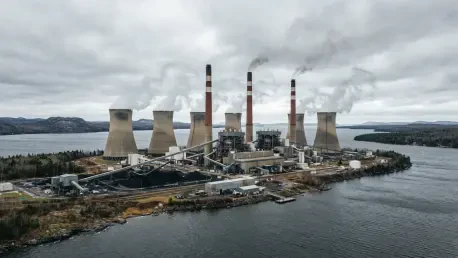

The Department of Energy has designated the 1,450-megawatt J.H. Campbell facility as a critical insurance policy against potential power outages during severe Midwest winters. This massive coal-fired plant, situated along the shores of Lake Michigan in West Olive, was originally destined for decommissioning as part of a broader corporate strategy to pivot toward renewable energy sources. Consumers Energy had targeted a firm retirement date of May 31, 2025, seeking to eliminate coal from its generation portfolio in favor of solar, wind, and battery storage solutions. However, this transition has been abruptly stalled by federal authorities who argue that the region’s grid is not yet prepared to handle the loss of such a significant baseload resource. The ensuing struggle highlights a growing tension between local utility goals and national energy security priorities, as the plant remains locked in a state of operational limbo through federal oversight and emergency intervention.
Regulatory Intervention and Grid Stability
Why Has the Department of Energy Issued Emergency Mandates?
The federal government utilized Section 202(c) of the Federal Power Act to issue seven consecutive emergency orders that mandate that the plant remain operational. These orders effectively push the retirement date from the spring of 2025 to at least February 2027, overriding the utility’s preference for natural gas and solar alternatives. By invoking this specific legal authority, federal officials have prioritized consistent generation over the utility’s immediate transition goals.
This use of emergency authority creates a direct clash between federal mandates and localized corporate goals that were years in the making. While the utility remains committed to its long-term decarbonization strategy, the federal government maintains that the current energy landscape lacks the necessary redundancy to permit the closure. This tug-of-war illustrates the challenges of managing a national transition while individual states and private companies attempt to chart their own paths.
How Does the Facility Impact Regional Electricity Reliability?
The primary driver behind these extensions is the fear of a reliability gap within the Midcontinent Independent System Operator region. Federal regulators argue that the J.H. Campbell plant serves as a vital safeguard against extreme weather events, especially during severe winter spikes when demand for heating reaches its peak. Without the consistent output provided by this coal facility, the grid could face significant strain that jeopardizes the delivery of electricity.
Despite the utility’s push to modernize, the Department of Energy insists that removing 1,450 megawatts of capacity prematurely could leave millions of homes across the Midwest vulnerable to power outages. The facility is viewed not just as a generator, but as an essential piece of infrastructure that stabilizes the entire regional network. This stance reflects a cautious approach to the energy transition, emphasizing the need for reliable backups before traditional units are fully retired.
Economic Impacts and Operational Shifts
What Are the Financial Costs of Maintaining the Plant?
Forcing an aging coal plant to stay online requires Consumers Energy to reverse complex decommissioning protocols that were already in motion. This reversal involves more than just keeping the lights on; it requires maintaining a specialized workforce that was slated for transition or layoff and securing long-term fuel supplies in a volatile market. The logistical effort to pivot from shutdown mode back to full operations has proven both arduous and expensive for the regional utility.
The financial impact of these changes is substantial, with the company reporting over $303 million in net costs associated with the mandated operations through late 2026. These unexpected expenses complicate the fiscal outlook for the company, as it must divert funds that were intended for new renewable projects toward the upkeep of a facility it intended to close. This creates a significant financial burden that was not accounted for in previous long-term capital plans.
Who Is Responsible for the Resulting Operational Expenses?
A major regulatory dispute has emerged regarding who should be responsible for the resulting operational expenses. Consumers Energy has argued that because the plant supports the stability of multiple states within the MISO network, the financial burden should be shared across the entire regional grid rather than falling solely on Michigan customers. This perspective suggests that the cost of regional reliability should be a collective responsibility for all who benefit from its output.
However, federal authorities have yet to finalize a permanent cost-allocation plan, which has left local businesses and households in a state of fiscal uncertainty. Without a clear directive on how these hundreds of millions of dollars in costs will be distributed, there is a looming concern that monthly utility rates for Michigan residents could see significant increases. The lack of a finalized agreement continues to create tension between state regulators and federal officials.
Legal and Environmental Challenges
How Has the Judicial System Handled These Mandates?
The use of emergency powers has faced stiff opposition in court, leading the U.S. Court of Appeals for the D.C. Circuit to vacate one of the original orders. The court ruled that the government had not met the strict legal criteria for a legitimate energy emergency, suggesting that the designation was being used too broadly. This judicial pushback highlighted the limits of federal intervention in what are typically state-level utility decisions regarding generation and resource management.
Despite this legal setback, the administration has bypassed the ruling by issuing new 90-day rolling extensions. This strategy has drawn sharp criticism from Michigan’s Attorney General, who has actively challenged the federal government’s use of procedural loopholes to force the plant’s operation. The ongoing legal battle underscores a deeper conflict regarding the definition of an energy emergency and the extent of federal reach into private corporate strategy and state policy.
What Are the Environmental Consequences of the Delay?
Environmental advocacy groups remain vocal critics of the federal intervention, pointing to the continued emission of carbon dioxide and sulfur dioxide from the facility. They argue that every extension of the plant’s life is a step backward for Michigan’s climate goals and unnecessarily delays the remediation of the facility’s site. The prolonged combustion of coal at the West Olive site remains a major point of contention for those focused on public health and sustainability.
Critics also contend that the justification regarding reliability is a thin veil for protecting the coal industry from inevitable market shifts. They suggest that the focus of federal energy policy should instead be on accelerating investments in battery storage and grid modernization. By keeping the J.H. Campbell plant online, opponents argue that the government is merely delaying the inevitable transition while continuing to contribute to the regional carbon footprint and pollution.
Broader Implications for Energy Policy
Is This Intervention Part of a Larger National Trend?
The situation at the J.H. Campbell plant is not a localized anomaly but part of a systemic federal effort to slow the retirement of coal facilities across the United States. Similar interventions have been observed in states like Indiana and Colorado, where the administration has sought to preserve traditional baseload plants regardless of state-level shifts toward cleaner energy. This broader policy shift suggests a centralized attempt to maintain the traditional energy mix at all costs.
This trend highlights an intensifying debate over whether the federal government should have the power to dictate the energy mix of individual states to ensure national grid security. Proponents of this approach argue it is a necessary defense against a fragile grid, while critics see it as an overreach that undermines the authority of state public service commissions. The outcome of these disputes will likely set the precedent for how energy transitions are managed nationally.
What Does the Future Hold for the Facility and the Utility?
As the latest 2027 deadline approaches, the utility faces a state of regulatory whiplash that makes long-term infrastructure planning nearly impossible. The company must balance its commitment to carbon neutrality with the reality of mandatory federal orders that could be extended again. This instability affects not only internal operations but also the confidence of investors and the progress of future renewable energy projects that were temporarily sidelined during this conflict.
In the previous months, the struggle over the J.H. Campbell plant proved that the path to a cleaner grid was more complex than initially anticipated. Stakeholders should now prioritize more integrated regional planning that addresses reliability gaps without relying on aging fossil fuel assets. Developing a transparent framework for cost-sharing and investing in long-duration storage will be essential to preventing future emergency interventions and ensuring a stable energy future.