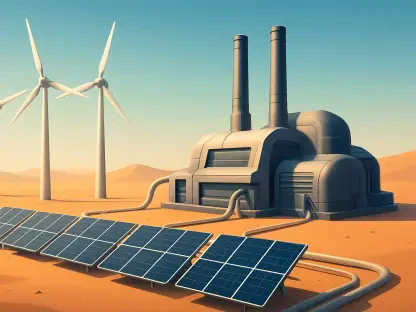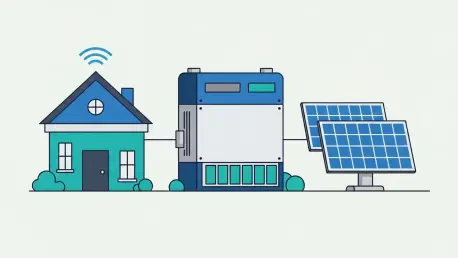

The sudden shift in the renewable energy sector toward more sustainable battery chemistries highlighted the inherent vulnerabilities of a global economy reliant on scarce materials like lithium and cobalt. Recent breakthroughs in chemical engineering have propelled sodium-ion technology from a laboratory curiosity to a viable alternative for residential power systems, challenging the decade-long dominance of lithium-based solutions in the global energy market. While lithium batteries offered high energy density that powered the initial wave of electric vehicles and home backups, the rising costs of raw materials and ethical concerns surrounding mining operations created a demand for alternatives. Sodium, being the sixth most abundant element on Earth, presents a compelling case for a more equitable energy transition. Salt is readily available in every region, ensuring that the manufacturing of storage systems is no longer tethered to specific geographical monopolies or volatile trade routes. This availability transformed how engineers viewed grid stability and local independence.
The Economic Drivers of Chemical Shifts
Material Abundance and Supply Chain Resilience
The primary advantage of sodium-ion technology lies in its use of ubiquitous materials that significantly reduce the environmental and financial burden of battery production. Unlike lithium, which requires intensive extraction processes often associated with high water consumption and ecological disruption, sodium can be harvested from common salt deposits or seawater through less invasive methods. This accessibility ensured that production remained stable even when global logistics faced unprecedented pressure from shifting trade policies and resource scarcity. Manufacturers observed that replacing copper current collectors with aluminum collectors—a feat only possible with sodium-ion chemistry—further reduced the overall weight and cost of the units. This substitution eliminated the need for expensive precious metals, allowing for a more streamlined assembly line that utilized existing infrastructure from the lithium-ion industry. Consequently, the scalability of this technology appeared far more promising than any previous solid-state or liquid-flow battery experiments.
Economic Viability and Consumer Adoption
Cost-efficiency remains the most significant metric for homeowners looking to disconnect from the traditional electrical grid or stabilize their monthly utility bills. Estimates suggested that sodium-ion batteries could be produced for roughly thirty to forty percent less than their lithium counterparts once high-volume manufacturing reached its full potential. This price differential was largely attributed to the low cost of sodium carbonate compared to lithium hydroxide, alongside the absence of cobalt and nickel in many sodium-based cathode designs. For the average consumer, this meant that the initial capital investment for a home storage system became significantly lower, shortening the payback period for solar panel installations. Furthermore, the drop-in compatibility of sodium-ion cells with modern power inverters ensured that integration did not require a complete overhaul of existing smart home energy managers. This economic feasibility transformed the technology from a niche industrial solution into a mainstream residential product.
Performance and Operational Safety
Thermal Resilience in Harsh Environments
Safety and operational stability are paramount when installing high-capacity energy storage systems inside or adjacent to residential living spaces. Sodium-ion batteries demonstrated an inherent resistance to thermal runaway, a condition where internal heat leads to self-sustaining fires, which has historically been a concern for some lithium-based chemistries. This safety profile was achieved because sodium ions move through an electrolyte that remains stable over a much broader range of temperatures, from extreme sub-zero conditions to high-heat environments. Homeowners in colder climates found that sodium-ion systems maintained their discharge capacity far better than traditional batteries, which often required internal heating elements to function during winter months. Additionally, the ability to transport sodium-ion batteries in a completely discharged state—at zero volts—removed the fire risks associated with shipping charged lithium cells. This characteristic simplified the logistics of delivery and installation, providing security for homeowners.
Strategic Implementation and Future Protocols
Industry experts concluded that the transition to sodium-ion technology relied on several key operational shifts within the residential sector. They discovered that while energy density remained slightly lower than lithium-ion, the safety benefits and cost reductions provided a superior value proposition for the residential market. It was observed that the early adopters who integrated these systems into their smart homes reported high reliability during seasonal temperature fluctuations. Analysts determined that the most successful implementation strategies involved localized manufacturing to avoid the bottlenecks associated with rare-earth metal procurement. Stakeholders found that establishing clear communication regarding the lifecycle of sodium cells encouraged broader public trust in the technology. Ultimately, the industry moved toward a more resilient model where the abundance of sodium served as the foundation for decentralized power grids. These findings suggested that the path to energy independence was inextricably linked to the democratization of battery materials.