
The global demand for reliable, carbon-free energy has intensified the search for domestic nuclear solutions that can withstand geopolitical instability and fluctuating market prices. As traditional energy grids face increasing pressure to modernize, the focus has shifted toward advanced reactor technologies capable of providing continuous baseload power with a minimal physical footprint. A significant bottleneck in this transition has been the availability of High-Assay Low-Enriched Uranium, a specialized fuel required for many next-generation reactor designs that was previously difficult to source within the United States. This logistical challenge necessitated a strategic alliance between Oklo Inc. and Centrus Energy Corp., focusing on establishing a secure supply chain for the American nuclear sector. By combining Oklo’s innovative fast reactor design with Centrus’s domestic enrichment capabilities, the collaboration aimed to eliminate reliance on foreign suppliers while accelerating the deployment of advanced fission technologies.
Domestic Infrastructure: The Path to Energy Sovereignty
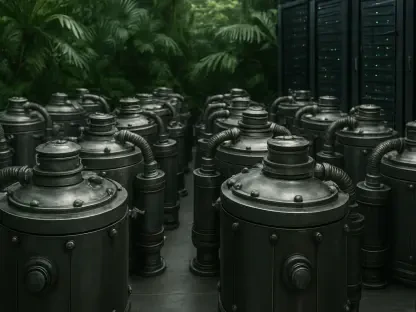
Building on this foundation, the technical integration of fuel production facilities represents a critical step toward achieving full energy sovereignty. Centrus Energy has pioneered the operation of the American Centrifuge Plant in Piketon, Ohio, which stands as the first newly licensed domestic enrichment facility to produce High-Assay Low-Enriched Uranium in decades. This facility utilizes advanced centrifuge technology to enrich uranium to levels between five and twenty percent, providing the specific energy density required for small modular reactors to operate efficiently over long periods. The partnership ensured that the fuel cycle remains entirely within United States borders, mitigating risks associated with international trade disputes or supply chain disruptions. This localized approach not only bolstered national security but also provided a predictable cost structure for utility companies looking to integrate advanced nuclear power into their existing energy portfolios.
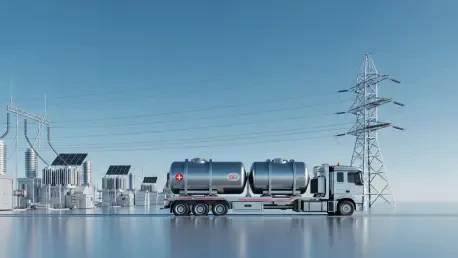
This integration naturally leads to the practical application of the fuel within Oklo’s Aurora powerhouse, a fast reactor designed to utilize recycled nuclear fuel and high-assay materials. Unlike conventional light-water reactors, these advanced systems can operate for decades without needing to be refueled, offering a decentralized energy solution for data centers, industrial sites, and remote communities. The collaboration between the two companies extended beyond simple procurement, involving deep technical cooperation on fuel fabrication and transportation logistics. By securing a reliable stream of enriched material, Oklo positioned itself to scale its manufacturing capabilities, aiming to deploy multiple units simultaneously across diverse geographic regions. Furthermore, the ability to produce this fuel domestically simplified the environmental and safety oversight required by the Nuclear Regulatory Commission. The resulting framework established a blueprint for how developers and suppliers synchronize.
Strategic Scaling: Integrating Advanced Fission into the Modern Grid
The economic impact of this partnership reached far beyond the immediate nuclear industry, stimulating growth in specialized manufacturing and high-tech engineering sectors. As the demand for carbon-free baseload power increased, the need for a highly skilled workforce to manage enrichment facilities and reactor operations became paramount. The investment in the Ohio enrichment plant created hundreds of specialized jobs and revitalized local economies that were previously dependent on older industrial models. Moreover, the success of this domestic supply chain encouraged further private investment in advanced fission, as the perceived risks associated with fuel shortages began to dissipate. This shift in market confidence allowed for more aggressive expansion plans, with several utility providers entering into long-term agreements for power purchase. The stabilization of the uranium market through domestic production also provided a hedge against the volatility often seen in global fossil fuel markets.
In conclusion, the collaboration between Oklo and Centrus successfully established the groundwork for a resilient and self-sufficient nuclear energy ecosystem. By prioritizing the development of domestic enrichment and advanced reactor deployment, the industry moved toward a future where energy security was no longer tied to unpredictable global variables. Stakeholders recognized that the integration of the fuel cycle was essential for the long-term viability of small modular reactors. Future considerations focused on expanding these enrichment capabilities to support a larger fleet of reactors, ensuring that the supply remained ahead of the projected demand through 2030 and beyond. Regulatory bodies and private enterprises evaluated the lessons learned from this partnership to streamline the licensing of new facilities and improve the efficiency of fuel transport. Ultimately, the actions taken by these companies provided a clear path for the next generation of nuclear power.