
Modified Constitutive Relation Error techniques allow for the relaxation of uncertain constitutive laws while maintaining strict adherence to conservation of momentum. As of 2026, offshore wind energy has solidified its role as a titan of the renewable sector, contributing nearly 15 percent of the

Treating aggregated customer actions as a dispatchable load flexibility resource allows operators to maintain stability during extreme grid stress events. This approach has become indispensable as the electrical landscape faces a simultaneous surge in demand and infrastructure aging. The rapid
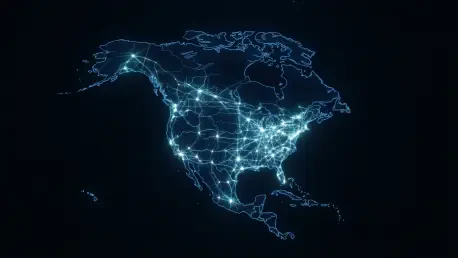
The aging copper veins of the North American electrical system are finally being replaced by a sophisticated silicon nervous system capable of making millions of autonomous decisions every second. As the continent grapples with the dual pressures of aggressive decarbonization and an unprecedented
The rapid evolution of AI-driven cyber threats has forced a fundamental shift from traditional compliance-based security to a more dynamic and adversarial defensive posture. As the electrical grid undergoes a massive transformation toward decentralized energy and software-defined infrastructure,

A probabilistic cyber-risk index allows grid defenders to prioritize protection by calculating the likelihood of an attack alongside its potential economic impact. The modernization of the electrical grid has rapidly transformed it into a sophisticated cyber-physical ecosystem through the deep

Deep learning architectures offer a significant technical advantage by processing high-dimensional data that traditional linear models cannot interpret. As the global shift toward weather-dependent power generation accelerates, the primary challenge remains the inherent instability of atmospheric