
The aging copper veins of the North American electrical system are finally being replaced by a sophisticated silicon nervous system capable of making millions of autonomous decisions every second. As the continent grapples with the dual pressures of aggressive decarbonization and an unprecedented surge in electricity demand, the traditional “dumb” grid is evolving into a highly responsive, digitalized infrastructure. This transformation marks a departure from the historical focus on simple hardware replacement, moving instead toward a complex ecosystem of integrated software and high-tech components. Major industrial players are no longer just manufacturing transformers and circuit breakers; they are developing the digital intelligence required to manage a landscape defined by intermittency and decentralization. This strategic pivot ensures that the grid remains resilient while accommodating the rapid expansion of renewable energy sources and high-consumption facilities like data centers.
Market Evolution: Strategic Positioning and Growth
Data-Driven Metrics: Analyzing Market Statistics
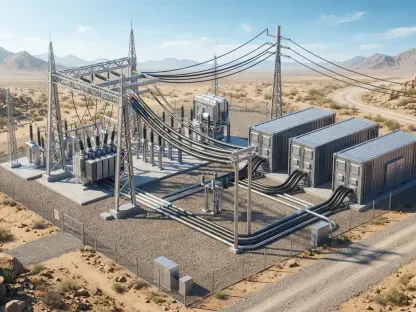
The appetite for modernization is clearly visible in the financial trajectories of industry leaders who are currently dominating the utility sector. For example, Mitsubishi Electric has realized a significant 20% year-over-year revenue increase in its utility-facing business segments, proving that capital is flowing heavily into grid infrastructure. Although the North American market currently represents about 14% of the total revenue for these global conglomerates, it has become the most critical frontier for expansion. The growth is primarily propelled by the urgent requirement to integrate distributed energy resources and the skyrocketing power needs of massive artificial intelligence hubs. These facilities demand a level of reliability that legacy systems simply cannot provide, necessitating a massive overhaul of transmission and distribution networks.
Moreover, the shift in investment focus reveals a clear preference for technologies that offer both physical durability and digital agility. While traditional hardware still accounts for a large portion of capital expenditure, the fastest-growing sub-sectors are those related to smart monitoring and automated control systems. The energy systems units within major firms are seeing nearly 18% revenue jumps, driven by the rollout of high-voltage equipment tailored for the renewable energy market. This indicates that the market is not just expanding in size but is also maturing in technical sophistication, moving away from commoditized products toward specialized, high-margin solutions that address specific grid vulnerabilities.
Tangible Impact: Strategic Acquisitions and Applications
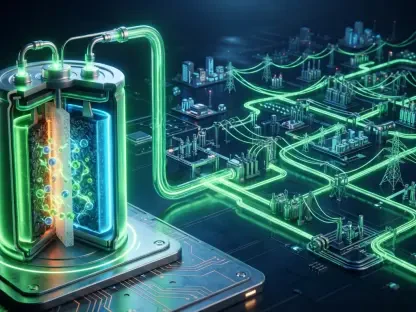
The transition from a hardware-centric model to a software-driven strategy was solidified by the $1.4 billion acquisition of PCI Energy Solutions, which is set for full integration by the end of 2026. This platform is a cornerstone of the American energy sector, currently overseeing approximately 60% of the total power generation across the United States. By securing this digital backbone, companies are gaining the ability to handle bulk power trading, supply-demand forecasting, and complex risk management in real-time. This level of data integration allows utilities to navigate the fluctuations of wind and solar power without compromising the stability of the entire network, providing a level of control that was previously impossible.
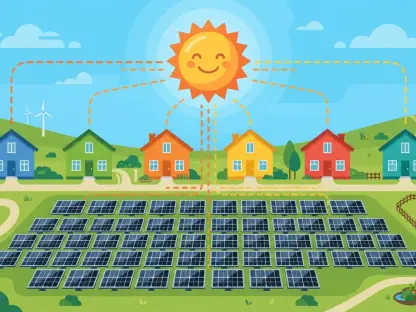
In addition to software acquisitions, the industry is witnessing a surge in collaborative ventures designed to bridge the gap between legacy hardware and modern digital needs. A notable example is the partnership between Mitsubishi Electric and ABB, which focuses on the distribution of smart meters and low-voltage control systems. This joint venture creates a comprehensive link between the physical wires and the monitoring systems that track every watt of energy. Such collaborations are essential for creating a unified infrastructure that can support the decentralization of energy production, where individual homes and businesses contribute power back to the primary grid.
Expert Insights: Professional Industry Perspectives
Industry veterans argue that the modernization of the North American power system is a mandatory evolution rather than a luxury. Experts suggest that the old utility models, which relied on predictable, centralized power plants, are entirely inadequate for a world where energy generation is scattered across thousands of wind turbines and solar farms. These thought leaders emphasize that the current “technological oversight” provided by advanced software is the only way to manage the inherent volatility of the 2026 energy landscape. Without these sophisticated tools, the integration of intermittent green energy would likely lead to frequent instability and localized outages.
Furthermore, there is a strong consensus among professionals that the integrated solutions approach is the most viable path forward for aging utilities. By combining heavy-duty electrical hardware with predictive analytics, service providers can now anticipate failures before they occur, shifting the industry toward a proactive maintenance model. This perspective highlights a fundamental change in the relationship between utilities and technology providers. Instead of a simple buyer-seller dynamic, these entities are becoming strategic partners, working together to solve the complex engineering challenges posed by the transition to a carbon-neutral economy.
Grid Infrastructure: The Path Forward
As we move through the 2026–2027 period, the North American grid is becoming increasingly decentralized and reliant on digital intelligence. The move toward high-margin software solutions is expected to accelerate, providing utilities with the predictive modeling necessary to optimize energy loads in an environment of fluctuating prices and supply. While the transition offers significant benefits in terms of carbon reduction and efficiency, the road remains difficult. The cost of integrating these new digital layers into decades-old physical infrastructure is substantial, and the pace of progress varies significantly across different regions of the continent.
However, the current trajectory suggests that the eventual outcome will be a far more resilient and responsive energy ecosystem. The full integration of recent acquisitions and partnerships is already providing a blueprint for how a modern grid should function. We are seeing a move toward “self-healing” grids that can reroute power automatically during a disruption, minimizing the impact on consumers. As the digital and physical worlds continue to merge, the ability to manage data will become just as vital as the ability to generate electricity, defining the competitive landscape for years to come.
Summary and Conclusion: Reflecting on the Shift
The modernization of the North American power grid represented a decisive pivot toward a future where data and electricity were inextricably linked. This period saw the industry abandon its traditional focus on isolated hardware components in favor of comprehensive, software-driven platforms that offered unprecedented control over energy distribution. Major corporations successfully navigated the complexities of the market by acquiring critical digital infrastructure and forming international alliances that strengthened their hardware supply chains. These strategic maneuvers allowed the sector to address the rising demands of data centers and the logistical hurdles of renewable energy integration with a level of precision that was previously unattainable.
Ultimately, the actions taken during this transformative phase established the foundation for a more sustainable and reliable energy environment across the continent. Utilities and technology providers recognized that the challenges of a modern economy required a unified approach to infrastructure management. By prioritizing the development of smart meters, predictive software, and high-efficiency transmission equipment, the industry successfully mitigated the risks of grid instability. These efforts ensured that the North American energy system was not only capable of meeting current demands but was also flexible enough to adapt to the ongoing evolution of global power consumption.