
Lagos serves as the economic engine of West Africa, contributing a massive share to the national GDP, yet its industrial capacity has historically been limited by the constraints of a centralized energy oversight model that struggled to keep pace with rapid urban growth. Eko Power issued a public
Engineers struggle to maintain a high-fidelity view of energy flows when distributed edge devices must operate intermittently to conserve battery power. This fundamental hurdle has become a primary bottleneck as the global energy transition accelerates, placing hydrogen at the forefront of

Physical parameters of a power grid can change unpredictably under extreme temperature or wind pressure, leading to accumulated errors in standard models. This inherent instability is becoming a critical challenge as the global energy landscape shifts from centralized, fossil-fuel-based generation
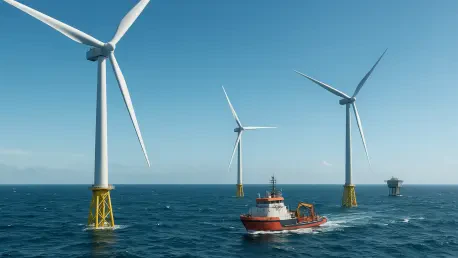
By scheduling maintenance on healthy turbines during periods of predicted high volatility, operators can use downtime as a virtual battery to smooth out aggregate fluctuations. This strategic shift represents a departure from traditional reactive maintenance, where technicians wait for a failure

Experts suggest that the administrative burden of utility programs must remain lower than the financial rewards to ensure long-term participation in sustainable energy projects. This principle is currently being tested in New York City as electric vehicle owners navigate the evolving landscape of
The achievement of five hundred and four consecutive days without national power outages signifies a monumental shift in South African infrastructure, effectively ending an era of economic paralysis that once stripped two percent from the national gross domestic product annually. This milestone is