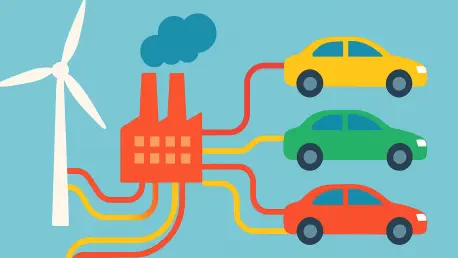

By shifting from a basic plug and charge mindset to a software-driven flexible demand model, the energy sector can maximize the utility of existing infrastructure. In the current landscape of 2026, the United Kingdom has reached a critical juncture where the proliferation of electric vehicles is no longer viewed as an impending crisis for the national grid, but rather as a fundamental pillar of its long-term stability. For years, the rapid transition to renewable energy was hampered by the physical limitations of legacy hardware, leading to a persistent mismatch between supply and demand. However, the paradigm is shifting as grid operators and energy providers recognize that the millions of batteries currently parked on residential driveways represent a massive, untapped reservoir of storage capacity. This transformation is not merely about adding more capacity to the network; it is about applying sophisticated intelligence to the way energy is consumed and distributed across the country’s existing power lines.
Addressing Grid Inefficiency: The Rise of Flexible Demand
The Strategic Utility: Utilizing Idle Electric Vehicle Batteries
One of the most significant advantages of electric vehicles is their inherent inactivity, as the vast majority of personal cars remain stationary for over ninety percent of the day. This static nature provides a unique opportunity for energy managers to implement flexible demand strategies that do not interfere with the primary utility of the vehicle. Instead of drawing power immediately upon connection, intelligent systems can analyze the driver’s requirements alongside the real-time needs of the local power network. If a vehicle is plugged in at six in the evening but is not needed until eight the following morning, software can determine the optimal windows for energy transfer. This shift in operational logic allows the grid to treat the vehicle as a flexible load that can be adjusted without compromising mobility. By leveraging this temporal flexibility, the energy sector is effectively unlocking a massive network of distributed energy storage.
This controllable nature effectively moves the electric vehicle fleet from the category of additional demand to that of a primary grid-balancing resource. Traditional industrial loads are often rigid and require a constant flow of electricity to maintain operations, but the charging of a passenger car is highly adaptable. When renewable generation from offshore wind farms surges during the early hours of the morning, these vehicles can act as a distributed sponge, absorbing excess power that would otherwise be lost. This capability is essential for managing the inherent variability of weather-dependent energy sources, as it provides a mechanism to align consumption patterns with generation peaks. As more vehicles join this integrated network, the collective impact creates a stabilization effect that rivals traditional pumped-hydro storage facilities. The result is a more resilient network that can withstand the fluctuations of a clean energy economy.
Financial Realities: Combating the Costs of Renewable Curtailment
The economic urgency of this shift is highlighted by the persistent challenge of curtailment, which has historically imposed a significant financial burden on the energy system. Curtailment occurs when renewable generators are forced to stop production because the grid lacks the capacity to transport or store the surplus energy being produced. In the current fiscal year, these inefficiencies have cost the British economy over a billion pounds, as grid operators must pay wind farms to shut down and then purchase replacement power from fossil-fuel-based sources to meet demand later. These balancing payments represent a direct loss of value that eventually trickles down to consumer energy bills, creating a scenario where green energy investments are partially undermined by systemic rigidities. By integrating flexible EV charging, the system can capture this lost energy, significantly reducing the need for curtailment payments.
Beyond the immediate reduction in wasted energy, the transition to flexible demand offers a strategic alternative to expensive physical infrastructure upgrades. Expanding the capacity of substations and laying thousands of miles of new transmission lines is a multi-decade endeavor that requires billions in capital investment. While some physical growth is necessary, maximizing the efficiency of current assets through software-driven orchestration can defer or even eliminate the need for certain high-cost projects. By spreading the energy load more evenly throughout the day, the grid can accommodate a higher volume of electric vehicles without exceeding the thermal limits of existing transformers. This approach creates a more agile energy transition that prioritizes digital innovation over heavy engineering. The cost savings realized from this efficiency are substantial, providing a pathway to more affordable electricity.
Technological Frontiers: Advancing Toward Systemic Energy Orchestration
The Bidirectional Shift: Moving From Smart Charging to Vehicle-to-Grid
The evolution of this technology began with smart charging, which primarily utilized simple price signals to shift demand to cheaper hours. However, the current state of the industry has moved toward sophisticated orchestration where software manages energy intake based on real-time carbon intensity and regional network constraints. This ensures that vehicles are not just charging when it is inexpensive, but specifically when the energy being produced is at its cleanest. This level of granular control is the foundation for a more interconnected system where the vehicle is an active participant in the energy market. As these software platforms become more pervasive, they provide a layer of visibility to grid operators that was previously impossible, allowing for localized demand response. This intelligence is the first step in a broader move toward a fully automated and responsive national energy infrastructure.
Building upon this software foundation, Vehicle-to-Grid technology represents the next major milestone in the integration of transportation and energy sectors. By allowing electricity to flow bidirectionally, vehicles are transformed from mere energy consumers into mobile power plants that can inject electricity back into the system during periods of high demand. This capability is particularly valuable during the early evening hours when renewable output may drop and residential consumption peaks. Instead of relying on expensive and carbon-intensive peaker plants to balance the system, operators can draw upon the collective storage capacity of millions of parked EVs. This bidirectional exchange creates a circular energy economy where the vehicle owner is compensated for their participation, effectively turning a depreciating asset into a source of revenue. The deployment of these systems provides a high-speed flexibility resource that can react to grid disturbances.
Domestic Integration: Orchestrating the Unified Home Energy Layer
The ultimate vision for a grid-stabilizing asset fleet involves the total orchestration of the domestic energy ecosystem, where the vehicle serves as the central hub. In this model, solar panels, residential battery storage, heat pumps, and electric vehicles operate as a single, unified system rather than as isolated appliances. Currently, many of these technologies function in silos, managed by disparate applications that do not communicate with one another. The goal is to implement a single intelligence layer that automates the interactions between these devices based on the homeowner’s priorities and the grid’s real-time signals. For instance, a home system could decide to charge the EV using excess solar energy during the day and then use a small portion of that stored power to run a heat pump during a high-cost evening peak. This level of domestic automation maximizes self-consumption of renewable energy and provides the grid with a managed load.
The successful transformation of the national EV fleet into a grid-stabilizing asset was achieved by prioritizing systemic interoperability and user-centric automation. Authorities and manufacturers collaborated to establish universal standards for communication between vehicles, charging hardware, and grid management software, which ensured that different brands could participate in a single energy market. This coordinated effort removed the technical barriers that previously prevented the widespread adoption of bidirectional services. Furthermore, the implementation of transparent data protocols built the necessary trust among consumers, allowing them to offer their vehicle’s flexibility to the grid with confidence. Moving forward, the focus must remain on simplifying the financial incentives for end-users, ensuring that the benefits of grid stabilization are clearly reflected in reduced utility costs. Standardizing the regulatory framework for V2G across all regions was the final step in creating a truly resilient power system.