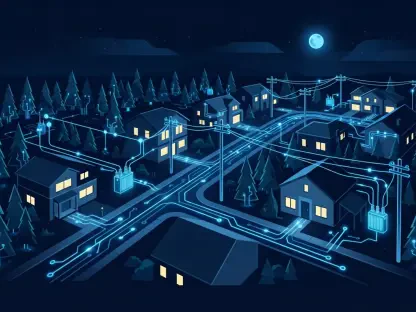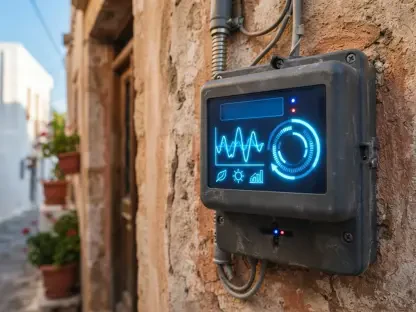

The convergence of widespread electric vehicle adoption and the digitization of the global economy is creating a durable, long-term surge in power requirements. Recent data from the U.S. Energy Information Administration indicates that the nation is on track to set consecutive records for power
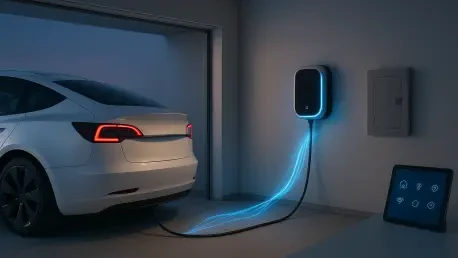
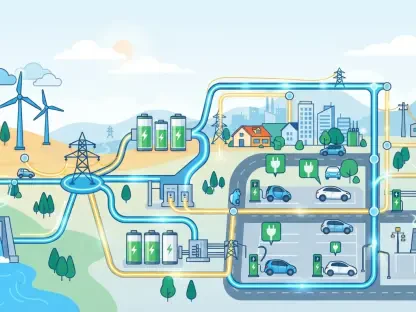
The potential for energy security increases significantly as retired electric vehicle batteries are repurposed for stationary grid and residential storage solutions. This shift marks a pivotal moment where passenger vehicles are no longer just consumers of electricity but have become active nodes

The rapid decentralization of the American electrical grid is no longer a distant projection but a lived reality for New Jersey, where residential energy storage and electric vehicle adoption are fundamentally reshaping the relationship between utilities and consumers. As of 2026, the state is

Data from early solar adopters shows that a system generating 4.2 kWh might still require importing 2.8 kWh from the grid to meet evening demands. This discrepancy highlights a fundamental challenge in residential renewable energy: the misalignment between solar production peaks and household
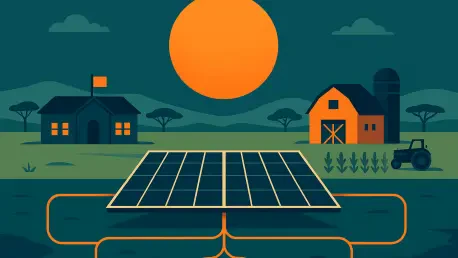
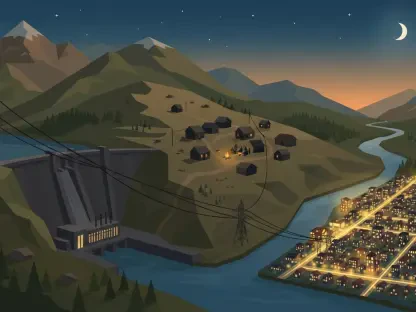
The shift toward decentralized power represents a move toward energy justice, where electricity is treated as a basic human right rather than a luxury for the urban elite. For decades, the Nigerian power landscape has been defined by a massive, centralized infrastructure that often failed to
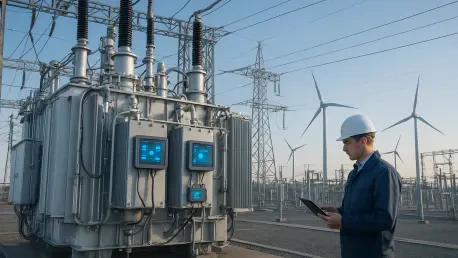
The global transition toward a decentralized and renewable-heavy energy model is forcing national grids to evolve beyond the traditional limits of silicon-based architecture into the sensitive world of quantum mechanics. As of 2026, the integration of quantum systems into the electrical grid has