
The global energy system has reached a critical tipping point where the sheer density of connected devices now outnumbers traditional control points by a factor of ten to one. This transformation is most visible across the European continent, where the shift from centralized fossil fuels toward a decentralized, electrified, and sustainable framework has moved from a theoretical objective to an operational reality. The energy transition is no longer a distant goal but a present-day structural overhaul that requires a complete reimagining of how power is generated, distributed, and consumed.
Distribution System Operators now find themselves at the center of this evolution, managing a perimeter that has grown vastly more complex than the legacy systems of previous decades. The modern utility perimeter is defined by an explosion of data points and a level of dynamism that traditional hardware was never designed to accommodate. Managing this infrastructure requires a shift in perspective, where the role of the operator evolves from a simple provider of electricity to a sophisticated manager of a multi-directional energy ecosystem.
The interplay between renewable energy integration, large-scale storage, and the electrification of heavy industry has created a highly volatile environment. As major industrial sectors move toward carbon neutrality, the demands on the grid become more intensive and less predictable. Technological and regulatory drivers, including stringent climate targets and mandatory digital transformation protocols, are forcing a total reorganization of market participation and asset management strategies across the board.
Navigating the Shift Toward a Decentralized and Digitized Energy Ecosystem
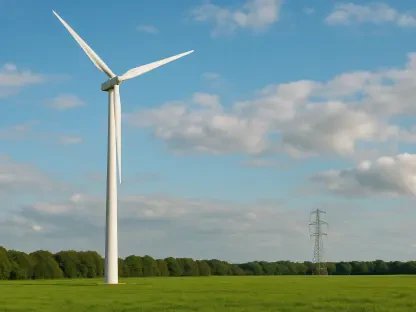
The state of play in the European energy sector is currently defined by the rapid dismantling of the old centralized model. Large-scale power plants are being supplemented or replaced by a vast network of smaller, localized generation sites that rely on weather-dependent variables. This shift toward a sustainable framework ensures environmental compliance but introduces a significant level of intermittency that threatens the traditional stability of the grid.
Within this decentralized landscape, the Distribution System Operator acts as the critical bridge between energy production and end-use demand. These operators are now responsible for managing a data-intensive infrastructure that requires constant monitoring and high-speed response capabilities. The perimeter of the utility has expanded to include thousands of IoT sensors and smart meters that provide a granular view of network health, yet this influx of information can lead to paralysis if not managed correctly.
Integrating renewable energy at scale also necessitates a focus on large-scale storage and the electrification of industrial processes. Climate targets continue to reshape the way utilities interact with the market, necessitating advanced asset management tools that can predict supply fluctuations. Digital transformation is the primary driver in this space, providing the necessary software layers to coordinate the physical assets that now define the modern energy landscape.
Mastering the Dynamics of the Modern Distribution Network
Driving the Transition: Distributed Energy and Electrification Trends
The rise of the prosumer has fundamentally altered the direction of power flows within the distribution network. Residential solar installations, private wind turbines, and localized energy sources mean that electricity no longer flows in a single direction from the plant to the home. Managing these multi-directional flows requires a dynamic approach to load balancing that can account for the sudden surges in power being fed back into the grid from a variety of residential and commercial sources.
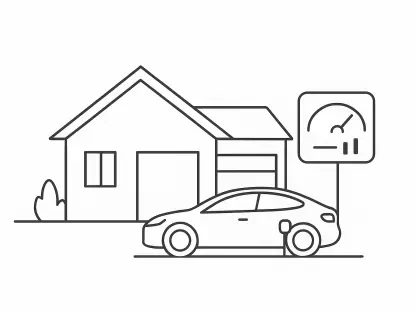
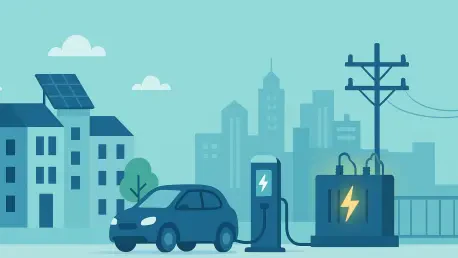
Massive electrification across transportation and heating sectors further complicates this dynamic by introducing massive, unpredictable load demands. Electric vehicle charging stations and electrified heating systems create peak demand periods that can strain local substations. Strategies for handling these unpredictable spikes must involve sophisticated load forecasting and the ability to steer demand toward times of lower network stress to prevent localized overloads.
In this environment, data has emerged as a new and vital asset that is just as important as the copper and steel in the ground. By leveraging the information generated by grid-scale batteries and IoT-connected sensors, utilities can finally move beyond the legacy silos that have historically fragmented operational intelligence. This data-driven approach allows for a more holistic view of the grid, where every connected device serves as a source of actionable intelligence for the operator.
Market Projections and the Path Toward Scalable Infrastructure
Current growth indicators show a massive expansion of asset fleets and grid connection points that will continue to accelerate from 2026 to 2030. As the number of connections grows, the physical and digital infrastructure must scale accordingly to maintain reliability. The sheer volume of new assets entering the network requires a move away from manual commissioning toward more automated, plug-and-play integration methods that can keep pace with the market.
Performance benchmarks are also shifting as utilities transition from reactive maintenance models to proactive, intelligent grid management. Success is no longer measured solely by the absence of outages but by the efficiency with which the grid can adapt to changing conditions in real time. Intelligent management systems allow operators to identify potential failures before they occur, drastically reducing downtime and improving the overall lifespan of expensive physical assets.
Investment forecasts for the 2026 to 2032 period project heavy capital requirements for the deployment of digital substations and advanced connectivity protocols. These investments are essential for creating a grid that can communicate with itself across various layers of the architecture. Digital substations serve as the nervous system of the modern grid, providing the high-speed data processing capabilities needed to support advanced automation and remote management.
Overcoming Structural and Operational Bottlenecks
Scaling human expertise remains one of the most significant challenges as the grid becomes more complex. Manual processes that worked for a centralized system are becoming increasingly inadequate in the face of rapid grid fluctuations that happen in milliseconds. Utilities must find ways to empower their workforces with tools that can filter through the noise of millions of data points to highlight the most critical operational issues.
Data fragmentation remains a persistent barrier to achieving a common operational picture across different departments. Many utilities still struggle with siloed information systems where operational technology data is separated from information technology data. Solving this challenge requires a unified data strategy that brings all operational “noise” into a single, coherent platform where it can be analyzed and used for strategic decision-making.
The interdependency risks of decentralized assets also introduce the possibility of a cascade effect, where a minor fault in one area impacts the broader system reliability. As more assets become interconnected, a failure in a localized battery system or a microgrid could potentially trigger a larger instability if the system lacks robust isolation protocols. Managing these risks requires a sophisticated understanding of the web of dependencies that now exists within the modern network.
Bridging the field-to-control gap is the final piece of the operational puzzle for most utilities. This involves transforming raw operational data into real-time insights that a controller can act upon immediately. Moving data from a remote sensor to a dashboard is not enough; that data must be contextualized and verified to ensure that the response from the control room is appropriate for the situation at hand.
Strengthening Resilience Through Governance and Security Standards
Security by design has become a non-negotiable requirement for all new grid infrastructure projects. As substations and operational technology become more connected, they also become more vulnerable to sophisticated cyber threats. Integrating cybersecurity into the fundamental architecture of these systems ensures that the grid remains protected against both targeted attacks and the accidental introduction of malware into critical control systems.
Regulatory compliance also plays a vital role in shaping the modern utility strategy, particularly regarding European standards for critical infrastructure protection. These regulations mandate high levels of data integrity and physical security for any asset that is deemed essential for the continuity of power supply. Navigating these standards requires a proactive approach to governance that prioritizes long-term security over short-term cost savings.
Expanding the definition of resilience means balancing the need for physical grid stability with the requirement for robust cyber defense mechanisms. A truly resilient grid is one that can withstand a physical storm and a digital intrusion simultaneously without losing the ability to provide power to essential services. This holistic approach to resilience recognizes that the digital and physical layers of the grid are now inseparable and must be defended as a single entity.
Disaster recovery and continuity standards have also been updated to account for more frequent extreme weather events and cyber incidents. These standards focus on maintaining essential functions even when large portions of the grid are compromised. By implementing automated recovery protocols and redundant communication links, utilities can ensure that they have the tools necessary to restore power quickly and safely after a major disruption.
The Future of Autonomous and Adaptable Power Systems
Intelligent automation acts as a force multiplier that allows utilities to manage complex networks without needing to increase their staffing levels proportionally. Automated workflows can handle the routine tasks of load balancing and fault detection, leaving human operators free to focus on high-level strategy and emergency response. This level of automation is essential for managing a grid that is now too fast and too complex for manual oversight alone.
Emerging tech disruptors like AI and machine learning are already playing a significant role in predictive grid optimization. These technologies can analyze historical data to predict future load patterns with incredible accuracy, allowing utilities to pre-position resources and adjust storage levels ahead of anticipated demand spikes. This predictive capability is what allows a modern grid to remain stable even as more volatile renewable energy sources are added to the mix.
The evolution of the future-ready grid is moving toward an inherently adaptable network that can anticipate issues before they escalate into full-scale emergencies. Such a system would be able to self-heal by automatically rerouting power around a faulty component or adjusting local generation to compensate for a sudden loss of supply. This level of adaptability is the ultimate goal for any DSO looking to thrive in a decentralized energy market.
Innovation and global economic shifts will continue to influence utility strategies as energy prices and geopolitical factors remain volatile. The ability to pivot quickly in response to changing market conditions is becoming a competitive advantage for utilities that have invested in flexible, digital-first infrastructure. As the global shift toward clean energy continues, the utilities that can most effectively manage systemic complexity will be the ones that lead the transition.
Achieving Command Through Insight and Strategic Integration
The analysis of the modern power sector demonstrated that the historical boundaries between physical assets and digital intelligence effectively dissolved by the middle of this decade. The industry reached a consensus that network visibility, robust security, and intelligent automation were the three pillars required to maintain stability in a decentralized environment. This report determined that the utilities which prioritized the synthesis of digital innovation and physical management were the most successful in navigating the volatility of the transition. Strategic focus moved toward creating self-healing architectures that reduced the reliance on human intervention for routine operational tasks.
The sector adopted a forward-leaning stance on cybersecurity, recognizing that the integrity of the data was as valuable as the electricity itself. Governance models evolved to incorporate real-time compliance tracking and proactive risk mitigation across the entire distribution perimeter. The findings emphasized that long-term stability was only possible when digital defenses were integrated directly into the hardware of the substation. This shift in strategy ensured that the grid remained resilient against both environmental challenges and the increasing sophistication of cyber threats directed at critical infrastructure.
Ultimately, the transition toward a clean and reliable energy system was supported by a fundamental change in the DSO operating model. The industry moved away from reactive, siloed workflows toward a unified operational picture that allowed for total command over a complex, multi-directional network. By transforming systemic complexity into a clear advantage, utilities secured their role as the essential orchestrators of the energy ecosystem. This evolution paved the way for a more adaptable and sustainable grid that successfully balanced the demands of decarbonization with the absolute necessity of service reliability.