
Christopher Hailstone is a seasoned veteran of the energy sector who has spent decades navigating the intricate balance between grid reliability and the transition to renewable power. As a leading utility strategist, he has become a pivotal voice in the conversation about decentralized energy, helping to steer policies that transform passive consumers into active participants in the electrical market. His deep understanding of how smart technologies and home-based energy systems interact with aging infrastructure provides a crucial perspective as we look toward a future defined by electrification and customer-led innovation.
With the rapid rise in electric vehicle ownership and the proliferation of smart home devices, how is the surging demand for electricity fundamentally shifting the way we manage the grid during peak periods?
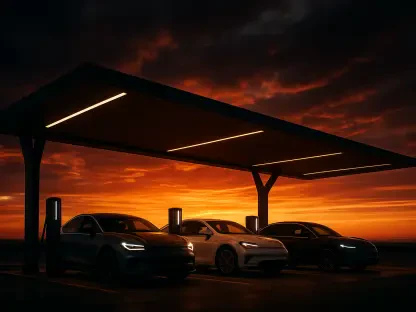
The shift we are seeing today is unlike anything the industry has faced in the last half-century, driven by a vibrant, growing economy and the individual choices of millions of families. As people plug in their electric vehicles and upgrade to smart home technologies, the grid is being put to the test, especially during those blistering summer afternoons and early autumn evenings when air conditioners are running at full tilt. We are no longer just managing a steady flow of power from a central plant; we are responding to a dynamic landscape where demand can spike suddenly as thousands of chargers and appliances activate simultaneously. This modern energy system requires us to be more agile, moving away from the old model of simply building more power plants to handle the “peak of the peak.” Instead, we are looking at how to make our existing infrastructure work harder and smarter to maintain that leading reliability that businesses and residents have come to expect.
Could you walk us through the mechanics of a Virtual Power Plant and how the current Scheduled Dispatch program empowers residents to contribute to system stability?
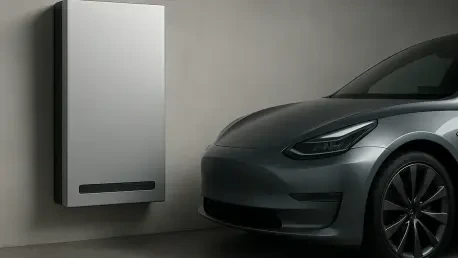
A Virtual Power Plant, or VPP, is essentially a sophisticated network of energy-producing and energy-storing devices—like the batteries many homeowners are installing to keep their lights on during a storm—that are linked together to act as a single, large-scale resource. In the Scheduled Dispatch program, customers with eligible battery systems agree to share a portion of their capacity during those critical hours when the grid is under the most intense strain. This isn’t just about charity; it is built on performance-based compensation, meaning customers are paid for the actual support they provide to the system when it matters most. By coordinating these individual resources, we can effectively create a “plant” made of thousands of small parts that can inject power or reduce demand in real-time. It is a win-win scenario that uses the tools people already own to lower overall system costs and keep the entire community’s electricity more reliable.
Looking toward the broader framework scheduled for filing by the end of 2027, how do you envision the integration of a wider variety of appliances and technologies beyond just home batteries?
The goal for the end of 2027 is to move beyond the initial success with batteries and build a truly comprehensive framework that captures the flexibility of everything from electric vehicles to smart dishwashers and water heaters. We are currently working through the “nuts and bolts” of this expansion, which means establishing clear rules for how these different devices can be measured and valued for their contributions. Imagine a system where your EV charger automatically slows down for twenty minutes during a peak event, or your smart thermostat pre-cools your home before the heat of the day hits—all without you having to lift a finger. This requires a delicate balance of technical precision to ensure the grid gets the response it needs while avoiding “customer fatigue” by making the participation seamless and unobtrusive. By incorporating a wider array of flexible technologies, we can tap into a massive, latent resource that currently sits idle, turning everyday convenience into a cornerstone of grid security.
In the context of the Clean and Reliable Grid Affordability Act, how are utilities and regulators working to ensure that these advanced programs actually drive down costs for the average ratepayer?
Affordability is the North Star of this entire transition, and we discuss the financial impact on communities across northern Illinois every single day. The Clean and Reliable Grid Affordability Act has been instrumental because it formally integrated VPPs into our energy toolkit, ensuring that these programs are judged by their ability to deliver net benefits to all customers, not just those who participate. When we use customer-owned technology to shave down the peaks in demand, we significantly limit the upward pressure on long-term capacity costs, which are a major driver of monthly bills. We are moving away from the necessity of building or maintaining incredibly expensive, traditional peaking plants that might only run for a few dozen hours a year but cost everyone a fortune. By making the grid more efficient through these collaborative programs, we ensure that the value created by a few translates into tangible savings and price stability for the entire population.
What is your forecast for the role of the individual consumer in the energy landscape over the next several years?
The next several years will see a profound shift where the consumer becomes the most important “generator” on the grid, moving from a passive recipient of a utility bill to a proactive partner in the energy transition. I expect to see a surge in transparent, results-driven programs where customers can see the real-time impact of their energy choices, both on their own wallets and on the health of the local grid. We will likely see a more decentralized system where the “big power plants” of the past are increasingly supplemented by millions of smart, connected devices that communicate with one another to optimize energy use across entire neighborhoods. The ultimate success of this evolution depends on protecting customer choice and ensuring that the technology is working for the people, not the other way around. My forecast is that by the time we reach the end of this decade, the distinction between a “utility resource” and a “home appliance” will have almost entirely evaporated, resulting in a cleaner, more affordable, and incredibly resilient power system for everyone.