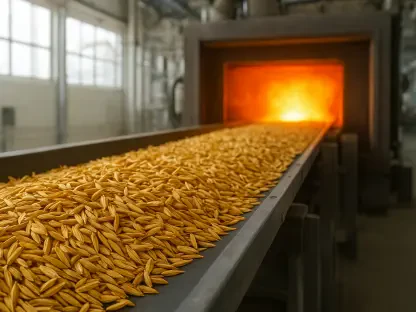

Recent lifecycle assessments suggest that the carbon-intensive nature of industrial farming often cancels out the perceived environmental benefits of using corn-based ethanol as a green alternative. For nearly two decades, the American agricultural landscape was defined by the Renewable Fuel

With a payload capacity of 230 tons and dual 800 kW motors, this electric heavy-hauler matches the energy output required to maintain momentum while ascending steep mountain inclines. The arrival of the ZL230E represents a definitive shift in how the global mining industry approaches heavy-duty

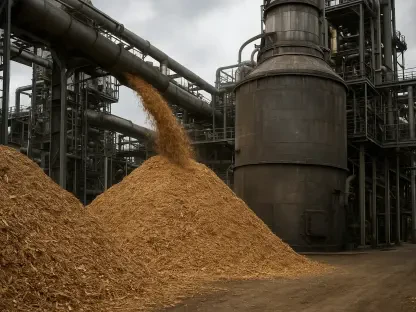
High-pressure densification processes transform loose agricultural leftovers like cotton stalks and groundnut shells into high-calorific fuel capable of powering large-scale industrial plants. This technological shift represents a critical departure from traditional energy models that have long

Shipping regulators face a challenge in balancing food security concerns with the immediate need to decarbonize the global fleet using existing biofuel technologies. As the maritime sector accelerates its departure from heavy fuel oil, ethanol has transitioned from a niche alternative to a

Despite the surge in project announcements, the International Energy Agency reports that low-emission technologies currently supply less than 1% of the global hydrogen demand. This stark reality underscores the monumental scale of the transition required as the global energy landscape moves away

The U.S. Prohibiting Russian Uranium Imports Act of 2024 serves as a legislative catalyst, forcing utilities to diversify their supply chains away from geostrategically risky Russian enrichment services. This shift represents more than a simple procurement change; it is the fundamental dismantling