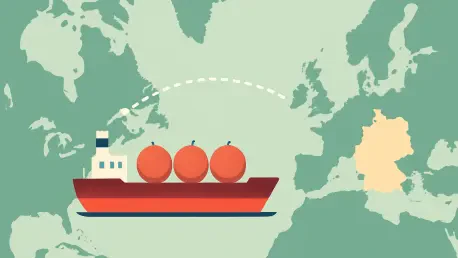

Germany’s reliance on the Strait of Hormuz for energy imports has become a critical vulnerability, prompting a strategic pivot toward the Atlantic energy trade with Canada. This shift follows years of escalating volatility in the Middle East and the persistent need to fully decouple from high-risk supply chains. In a recent interview, German Foreign Minister Johann Wadephul underscored that while Berlin remains committed to a green energy transition, the immediate and medium-term requirements for conventional gas are unavoidable for industrial survival. The German government no longer views liquefied natural gas as a mere temporary fix but as a foundational pillar of its national security framework. By deepening ties with stable partners, Germany aims to insulate its economy from the unpredictability of traditional transit routes that are frequently threatened by regional conflicts. This strategic realignment is fostering a new era of energy cooperation.
The Evolution of Transatlantic Energy Policy
A Radical Shift: Canadian Export Strategy
The change in Canada’s domestic political climate has been a decisive factor in making this partnership possible. Previously, the federal government maintained a skeptical stance regarding the economic viability of shipping gas across the Atlantic, often stating there was no clear business case for such projects. However, the administration under Prime Minister Mark Carney has redefined Canada’s role on the world stage, positioning the nation as a reliable energy superpower for its European allies. This proactive approach has been catalyzed by the successful operational launch of the LNG Canada facility in Kitimat, British Columbia, which has been consistently delivering shipments since mid-2025. By treating energy exports as a matter of global security rather than just a commercial endeavor, Ottawa has managed to streamline regulatory hurdles that once stifled the sector’s growth. This policy reversal signals that Canada is ready to utilize its massive reserves for its partners.
Capacity Expansion: The Kitimat Terminal
Industry stakeholders are now closely watching for the formal announcement of Phase 2 for the LNG Canada project, which is expected to double the facility’s existing production capacity. Such an expansion would be a game-changer for European markets, as it provides a direct alternative to the high-risk imports coming through the Bab-el-Mandeb strait. The increased volume would allow Germany to lock in more long-term contracts, reducing its exposure to the volatile spot market where prices often fluctuate based on geopolitical tensions. Furthermore, the integration of carbon-capture technologies within these newer extraction processes is helping Canada meet the environmental standards required by European regulators. This focus on lower-emission fossil fuels makes Canadian gas a more palatable choice for German policymakers who are under constant pressure to balance energy security with climate goals. The synergy between Canadian resources and German demand is growing.
Strategic Infrastructure and Global Alliances
Renewable Synergy: Hydrogen and Geopolitics
While the immediate focus is on liquefied natural gas, the partnership between Berlin and Ottawa is evolving into a multifaceted energy alliance. This cooperation includes the Canada-Germany Hydrogen Alliance, which seeks to pioneer the large-scale production and export of green hydrogen. Although the initiative faced initial logistical delays and struggled to meet early targets, both nations have reinforced their commitment by investing in specialized port infrastructure and research. This dual-track strategy allows Germany to utilize gas as a bridge fuel while simultaneously building the foundations for a zero-emission future. Beyond the energy sector, this relationship is reflected in diplomatic discussions concerning Canada’s potential status as the first associate member of the European Union. Such a move would formally cement the economic and security ties that have grown so rapidly. Other European nations are looking at this model as a blueprint for procurement.
Future Strategy: Long-Term Energy Resilience
The shift toward Canadian energy exports represented a fundamental realignment of global power dynamics and resource management. Stakeholders realized that traditional supply routes through the Middle East were too fragile to support the industrial needs of a modern economy in the long term. Moving forward, planners determined that Germany and Canada had to prioritize the harmonization of their regulatory frameworks to ensure that future infrastructure projects could be approved with greater speed. It was clear that the successful integration of liquefied gas into the national grid required not only technical prowess but also a deep level of political trust that had previously been absent. Authorities began prioritizing the diversification of energy forms, ensuring that the transition from natural gas to hydrogen remained seamless and economically viable. Investing in modular energy systems and resilient maritime routes became a primary focus for securing stability.