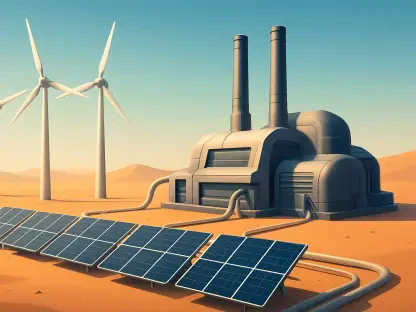
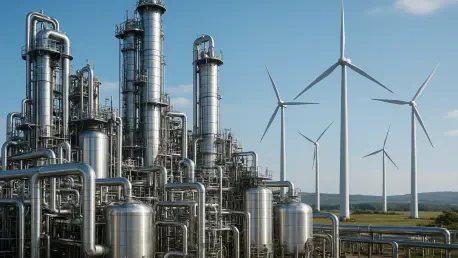
The vast wind-swept plains of Hami are no longer just a remote geography but have become the testing ground for a revolutionary shift in how the global aviation sector powers its heavy-duty engines. The launch of the Xinjiang project in September 2026 marked a pivotal moment where green hydrogen
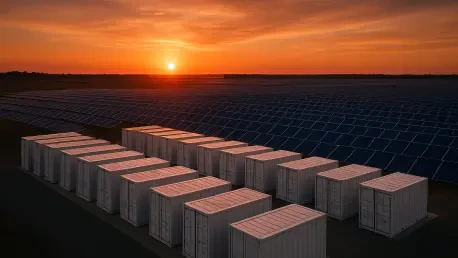
China continues to dominate the global energy storage landscape by accounting for approximately 54 percent of all new installations scheduled for the coming year. This dominance reflects a broader seismic shift as the world moves away from traditional fossil-fuel baseload power toward decentralized
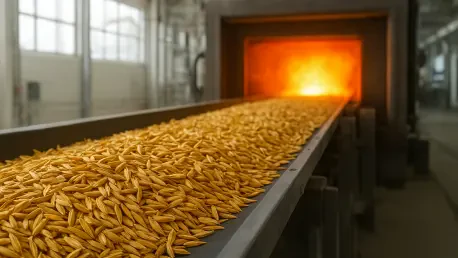
While traditional agricultural waste once clogged waterways and released methane into the atmosphere, the humble rice husk is now driving a sophisticated energy revolution that turns industrial by-products into high-value electricity. Integrating food processing with energy production has become a

The transition of microbial fuel cells from laboratory curiosity to industrial reality is currently hindered by high material costs and the challenge of maintaining efficiency at scale. Despite these obstacles, the pursuit of sustainable energy has intensified throughout 2026, leading researchers

Airlines currently hesitate to adopt sustainable alternatives due to high costs, resulting in an expected output of only 2.4 million tonnes despite much higher projected capacity. This economic friction persists even as the global aviation sector faces increasing pressure to meet stringent net-zero
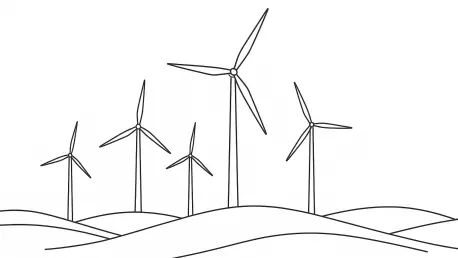
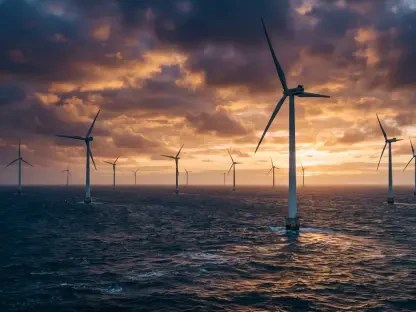
The sheer scale of the energy transition often clashes with the slow-moving gears of bureaucracy and the volatile nature of state politics, yet some projects find a way to thrive. The Macorna wind farm in northern Victoria stands as a prominent example of this resilience, successfully navigating a