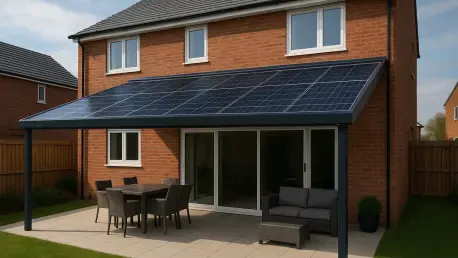

The dual utility of solar awnings provides a compelling alternative for properties where north-facing roofs or structural constraints make standard solar arrays impractical. As homeowners across the United Kingdom increasingly seek ways to maximize renewable energy generation within constrained urban environments, these multifunctional structures have transitioned from niche architectural curiosities into viable residential upgrades. By capitalizing on vertical surfaces that were previously ignored, such as window overhangs and patio covers, residents can now bypass the limitations of traditional roof orientations. This evolution in the 2026 market reflects a broader cultural shift toward viewing clean energy systems as aesthetic home improvements rather than mere utility installations. Modern solar awnings utilize bifacial cells to capture ambient light while reducing the solar heat gain that plagues south-facing rooms during summer months.
Versatile Integration: Balancing Power and Comfort
Integrating photovoltaic technology directly into outdoor living spaces offers a level of functional versatility that standard rooftop panels simply cannot match. For instance, a well-designed solar awning serves as a robust shield against inclement weather, extending the usability of balconies and patios throughout the year while silently feeding electricity back into the home’s main grid or a storage unit. Unlike traditional solar arrays that are hidden away on the roof, these structures are prominently displayed, requiring a high degree of design sophistication and material durability. This dual role of providing shade and power effectively addresses the modern demand for energy self-sufficiency without sacrificing the architectural integrity of the property. Developers have noted that installations often include smart features like integrated LED lighting, transforming a basic energy asset into a luxury item.
Recent case studies across the UK have demonstrated the immense potential of large-scale solar structures, such as full-length, wrap-around verandas capable of generating upwards of 6.4 kilowatts of power. These projects often include integrated battery storage solutions, allowing households to remain powered during periods of low sunlight or grid instability. While the initial financial investment for these premium systems remains higher than standard rooftop installations, the value proposition lies in the immediate lifestyle benefits and the long-term reduction in cooling costs. By preventing direct sunlight from entering through glass doors, these awnings naturally regulate indoor temperatures, which lowers the strain on HVAC systems. Consequently, the focus for many early adopters has shifted away from a preoccupation with cost-recovery timelines toward an appreciation for energy autonomy and enhanced living comfort.
Regulatory Frameworks: Navigating the UK Market
Despite the clear advantages of solar awnings, significant hurdles remain regarding local planning regulations and the initial complexity of installation processes. In the UK, many residents have found that securing the necessary permissions for large, permanent shading structures can be a lengthy and often discouraging ordeal, leading to calls for more streamlined governmental policies. Industry experts suggest that relaxing these stringent permissions is essential for the country to meet its aggressive climate adaptation targets, especially as urban densification continues to limit traditional solar options. Meanwhile, international trends indicate a move toward democratizing solar access, with some regions legalizing simplified plug-in or balcony-mounted arrays that do not require professional structural modification. Adopting similar frameworks within the UK could unlock a massive market of apartment dwellers who are currently excluded from the green energy transition.
The progression of solar awning technology represented a fundamental change in how residential architecture interacted with the environment. It became clear that the most successful implementations were those that treated solar cells as a primary building material rather than an after-the-fact addition. Homeowners who prioritized high-quality, bifacial glass modules and integrated energy management software achieved the best results, both in terms of electrical output and property valuation. Moving forward, the industry pointed toward the necessity of standardized mounting kits and clearer building codes to lower the barrier for average consumers. The transition from pure utility to multifunctional architectural assets was finalized when local governments began incentivizing these dual-purpose structures as key components of urban cooling strategies. Ultimately, the market favored those who viewed their exteriors as active energy-harvesting landscapes capable of providing power.