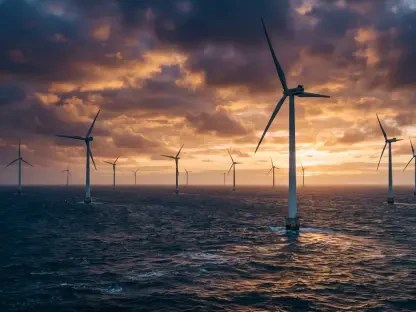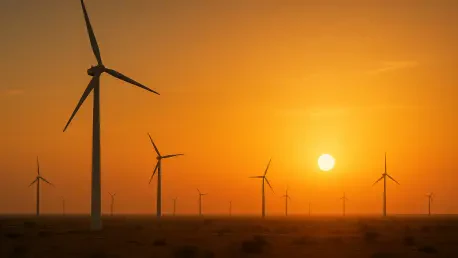

The expansion of the Vanki Wind Energy Project highlights how targeted regional investments can significantly impact a utility’s total market standing. As India accelerates its transition toward a cleaner energy mix, the strategic deployment of wind assets in high-potential zones has become a cornerstone of corporate growth. NTPC Green Energy Limited has reached a notable milestone by commencing commercial operations for a 6.3 MW portion of this facility in Gujarat’s Kutch district. This specific installment represents the second phase of a broader rollout managed by its subsidiary, NTPC Renewable Energy Limited. By focusing on modular expansion, the group ensures that each addition to the grid is stable and productive from day one. This approach allows the company to maintain momentum without the logistical bottlenecks often associated with massive, single-phase utility projects. The successful integration of these smaller units serves as a blueprint for other state-backed utilities looking to optimize their renewable portfolios effectively.
Building Regional Energy Resilience: Kutch Operations
Geographical Advantages: Kutch Region Corridor
The Kutch district of Gujarat has long been recognized as a primary hub for renewable energy generation due to its unique geographical features and superior wind speeds. By positioning the Vanki Wind Energy Project in this specific corridor, the company capitalizes on an established ecosystem where the existing transmission infrastructure is robust enough to handle increasing loads. This regional focus minimizes the risk of power evacuation bottlenecks, which frequently plague large-scale projects in less developed areas. Moreover, the proximity to industrial clusters in Gujarat provides a direct path for clean energy consumption, ensuring that the generated power meets localized demand efficiently. The decision to expand here reflects a deep understanding of the local landscape and the logistical benefits provided by the state’s proactive energy policies. This strategic placement ensures that the utility remains a dominant player in one of India’s most critical energy markets.
Implementation Strategy: Modular Rollout Success
A modular approach to infrastructure deployment has defined the recent timeline of the Vanki project, ensuring that capacity is added in manageable increments rather than waiting for a massive single-date completion. This strategy was exemplified earlier this month when a substantial 50.4 MW installment was successfully integrated into the grid on July 8, 2026. By breaking the project into phases, the engineering teams can identify and resolve potential technical glitches in the initial units before the subsequent phases are brought online. This iterative process not only enhances the reliability of the commercial operations but also allows the company to begin generating revenue from finished sections while construction continues on the rest of the site. Such a steady rollout is particularly effective in the wind sector, where the installation of individual turbines can be staggered to align with seasonal weather windows. This methodical expansion demonstrates a sophisticated management style.
Market Implications: Capacity and Competition
Portfolio Scaling: New Industry Benchmarks
Reaching new benchmarks in total installed capacity is a critical indicator of a utility’s ability to compete in a rapidly evolving market. With the latest addition of the 6.3 MW portion in Gujarat, the group’s total commercial capacity has successfully risen from 10,836.56 MW to a new record of 10,842.86 MW. While this specific increase might seem incremental in isolation, it represents the cumulative success of a disciplined growth strategy that favors consistent expansion over sporadic large-scale acquisitions. These figures signal to investors and stakeholders that the company is on a reliable trajectory toward its long-term decarbonization targets. Furthermore, the increase in total capacity strengthens the company’s balance sheet, providing the financial leverage necessary to secure more favorable terms for future green bonds and project financing. By maintaining a high rate of commercialization, the utility reinforces its position as a leader in the energy transition.
Strategic Outlook: Reliability and Grid Stability
The transition to a green energy future required a focus on overcoming the inherent variability of natural resources while maintaining a robust financial outlook. Stakeholders recognized that while the expansion at the Vanki Wind Energy Project was a success, future growth depended on implementing more sophisticated energy storage solutions to complement wind generation. The organization moved toward integrating hybrid systems that combined wind and solar with battery storage to mitigate the risks of grid instability. These efforts were paired with a shift toward digital twin technology, which allowed engineers to simulate various operational scenarios and preemptively address mechanical wear and tear. Actionable insights from this phase suggested that the integration of artificial intelligence into grid management was the next step for maximizing asset performance. These steps solidified the utility’s role as a cornerstone of the national energy transition, ensuring stability for all.