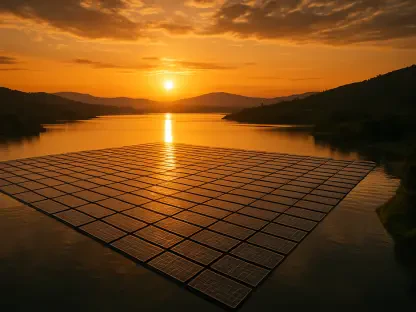
Every gigawatt of power generated by floating solar adds 50 times more hard surface to the ocean than offshore wind turbines. The global appetite for electricity has surged as artificial intelligence and massive data center networks redefine modern infrastructure. While land-based solar and wind projects provided the initial push toward carbon neutrality, the availability of terrestrial sites has plummeted due to competing interests from urban sprawl and industrial agriculture. This scarcity has forced energy developers to look toward the horizon, targeting the vast and underutilized surfaces of the world’s oceans. Offshore floating solar photovoltaics, or FPV, present a compelling alternative by utilizing aquatic space that does not conflict with human habitation. However, the sheer scale of these floating arrays introduces unprecedented physical changes to the marine environment, moving beyond the isolated vertical footprints of wind masts to create expansive, solid canopies that block the sky from the sea.
Shifting Engineering Focus from Wind to Solar
For decades, offshore wind remained the primary contender for marine renewable energy, yet its high installation costs and complex maintenance have created openings for more versatile technologies. Floating solar offers an incredible advantage in terms of energy density, as dense grids of panels can capture significantly more power per square mile than dispersed turbine arrays. This efficiency is particularly attractive for coastal nations with limited territorial waters but high energy requirements. Unlike wind turbines, which require massive underwater foundations for a single generator, floating solar platforms consist of thousands of interconnected modular units. This design allows for rapid deployment and scalability, but it also means that a single gigawatt project covers several square kilometers of the ocean surface. The transition represents a fundamental change in how maritime space is utilized, moving from vertical obstacles to permanent, low-profile blankets that alter the interface between the atmosphere and the hydrosphere.
As the industry moves forward from 2026 toward 2030, the technical reliability of these floating structures remains a central focus for engineers. Standard solar panels used on land are ill-equipped for the corrosive environment of the open ocean, where salt spray and constant wave action can degrade materials within months. To combat this, newer installations utilize high-density polyethylene floats and specialized anti-corrosive coatings designed to withstand thirty years of salt exposure. These advancements have drastically lowered the leveled cost of energy for marine solar, making it competitive with traditional offshore wind in calmer regions. Nevertheless, the physical presence of these massive grids creates a barrier that complicates traditional activities like commercial fishing and shipping lanes. Developers are now tasked with creating integrated designs that allow for multi-use zones, where solar arrays coexist with aquaculture or desalination plants, maximizing the economic value of every hectare of leased ocean space.
Physical Impacts on the Marine Environment
The deployment of massive floating solar arrays creates an immediate and profound change in the physical properties of the water column directly beneath the panels. By forming an opaque canopy over the ocean surface, these platforms effectively block solar radiation, preventing sunlight from reaching the upper layers of the sea where photosynthesis occurs. This localized shading can lead to a drop in water temperature, which disrupts the natural thermal stratification that governs vertical water mixing. Without the sun’s warmth, the upper layer of the water may cool and sink, potentially altering the oxygen levels available to marine life at different depths. Furthermore, the presence of these solid structures reduces the wind’s ability to create waves and facilitate gas exchange between the air and the water. This lack of aeration can lead to stagnant conditions in sheltered areas, creating pockets of low-oxygen water that could negatively impact local biodiversity and the overall health of the coastal ecosystem over long periods.
While these floating platforms are intended to generate clean electricity, they also act as massive artificial reefs, unintentionally attracting a diverse array of colonizing organisms. Species such as mussels, barnacles, and various types of sea anemones quickly find a home on the submerged portions of the floats and mooring lines. This biological growth, known as biofouling, adds weight and drag to the structures, which can lead to mechanical stress during storms or periods of high tide. The sheer mass of these organisms can compromise the buoyancy of the entire array, requiring more frequent and costly maintenance visits to clear the growth. Additionally, the metabolic processes of these colonizing species can accelerate the corrosion of metal components and the degradation of plastics, shortening the operational lifespan of the installation. This creates a difficult cycle for operators who must balance minimal environmental interference with the practical necessity of protecting expensive energy assets from the pressure of marine life.
Ecosystem Dynamics and Future Management
The arrival of thousands of filter-feeding organisms on floating solar platforms can fundamentally reshape the local marine food web in ways that are only now being fully understood. Mussels and other species consume vast quantities of phytoplankton and organic particles, effectively siphoning nutrients out of the water column before they can reach native species. This intense competition for food can lead to a nutrient desert in the immediate vicinity of the solar farm, potentially starving out local fish populations and larval sea life that depend on those same resources. The ripple effect of this localized depletion can extend far beyond the borders of the solar array, impacting the productivity of nearby fisheries and the health of seagrass meadows or coral reefs that rely on a delicate balance of nutrients. As these artificial habitats mature, they may also attract predatory fish and mammals, further altering predator-prey dynamics and potentially creating ecological traps where species are lured into environments that may not support survival.
The path forward for offshore floating solar required a significant shift toward smarter maritime planning and integrated environmental monitoring. Industry leaders recognized that scaling up this technology would only be sustainable if the ecological risks were managed through proactive design and real-time data collection. New protocols established that environmental assessments must be conducted throughout the lifecycle of a project, from the initial site selection to the final decommissioning phase. By utilizing advanced sensors and autonomous underwater vehicles, operators began to track the health of the seabed and water quality with precision. These strategies allowed for the adjustment of array configurations to minimize shading and maximize water circulation, mitigating the most severe physical impacts. Ultimately, the successful integration of marine solar into the global energy mix depended on a holistic approach that valued biological integrity as much as power output, focusing on resilient systems that served both human civilization and the ocean ecosystems.