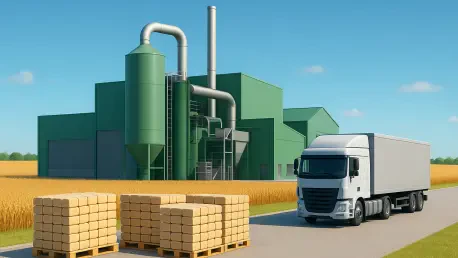

High-pressure densification processes transform loose agricultural leftovers like cotton stalks and groundnut shells into high-calorific fuel capable of powering large-scale industrial plants. This technological shift represents a critical departure from traditional energy models that have long relied on extracting finite geological resources. By repurposing materials that were previously discarded or incinerated in open fields, the manufacturing of biomass briquettes—popularly known as white coal—is redefining the circular economy within the industrial sector. Unlike the black coal extracted from the earth, which releases sequestered carbon into the atmosphere, white coal utilizes the carbon already present in the current biological cycle, significantly narrowing the net emissions gap. As heavy industries face increasing pressure to decouple their production from fossil fuels, this renewable alternative provides a seamless transition. It addresses the urgent need for a high-density, combustible energy source that can function within existing infrastructure, effectively bridging the gap between historical energy reliance and the sustainable mandates of the present day. This manufacturing method allows for the creation of a fuel source that is both sustainable and practical for large-scale industrial heating. Because it serves as a drop-in solution, companies can integrate white coal into their existing boiler and furnace systems without requiring a total infrastructure overhaul, making it an attractive option for businesses aiming for immediate carbon reduction.
Market Dynamics and Environmental Incentives
The financial trajectory of the white coal market reflects a robust expansion, with its global valuation expected to grow from roughly USD 3.1 billion in 2024 to an estimated USD 6.1 billion by 2035. This steady growth, calculated at a compound annual rate of 6.3 percent, is being fueled by significant investments in biomass infrastructure and a surge in demand for cleaner-burning fuels. As the global economy pivots toward circular models where waste is repurposed as a resource, the economic footprint of white coal is expanding across both developed and emerging markets. Currently, in 2026, the industry is witnessing a surge in capital allocation toward specialized processing plants that can handle diverse feedstocks ranging from sawdust to sugarcane bagasse. This influx of capital is not merely speculative; it is driven by the tangible necessity of diversifying energy portfolios in an era of heightened environmental scrutiny. Large-scale manufacturers are recognizing that the price of carbon is only going to rise, making the investment in biomass-based energy a prudent financial hedge. By securing long-term contracts with agricultural cooperatives, energy providers are ensuring a steady supply of raw materials that helps stabilize the market against the price shocks common in the oil and gas sectors.
From an environmental standpoint, white coal provides a critical solution to the problem of agricultural waste management. Historically, crop residues were often burned in open fields, causing severe air pollution and health crises in regions across the globe. By converting these materials into fuel, the industry mitigates pollution while providing farmers with a secondary revenue stream that was previously nonexistent. Furthermore, white coal produces significantly lower sulfur emissions and less ash than traditional coal, making it much easier for industrial plants to comply with tightening environmental regulations and avoid heavy carbon taxes. The reduction in sulfur dioxide and nitrogen oxides is particularly beneficial for plants located near urban centers, where air quality standards are most stringent. Additionally, the ash produced from burning white coal is often rich in potash and other minerals, allowing it to be repurposed as a soil conditioner, thereby completing the nutrient cycle. This holistic approach to waste management transforms a regional ecological burden into a global industrial asset, proving that economic progress does not have to come at the expense of local environmental health.
Navigating Operational Challenges: Logistics and Supply
Beyond its ecological merits, white coal offers a level of price stability that fossil fuels cannot match. While oil and gas prices are frequently subject to volatile geopolitical tensions, white coal relies on local biomass supplies, leading to more predictable operating costs for manufacturers. This energy independence is particularly beneficial for large-scale industrial heating, where consistent energy costs are vital for long-term financial planning and operational efficiency. In the current economic climate of 2026, where global supply chains remain sensitive to regional conflicts, the ability to source energy from nearby agricultural zones provides a significant competitive advantage. Facilities that have switched to biomass briquettes report fewer budget variances related to energy procurement, allowing them to allocate funds more effectively toward technological upgrades and labor. Moreover, the decentralized nature of biomass production means that energy is generated closer to the point of use, reducing the logistical overhead and carbon footprint associated with long-distance fuel transportation. This localization of the energy supply chain is a cornerstone of the modern industrial strategy to build resilience against global market fluctuations.
However, the industry must still navigate several hurdles to achieve universal adoption. The availability of biomass is inherently seasonal, tied to specific harvest cycles, which necessitates sophisticated storage and logistics systems to ensure a year-round supply. Additionally, the bulkiness of raw agricultural waste makes it expensive to transport over long distances before it is processed into dense briquettes. High upfront capital requirements for modern briquetting machinery also present a barrier to entry for smaller enterprises looking to enter the biomass processing space. To overcome these obstacles, companies are increasingly adopting hub-and-spoke logistics models, where small processing centers are situated directly within agricultural clusters to densify the material before shipping it to larger central hubs. This minimizes the volume of material being moved and lowers the overall cost of the final product. Furthermore, advancements in weather-resistant storage technology are helping to mitigate the risks associated with seasonal supply variations. While these challenges are significant, the rapid pace of innovation in the logistics sector suggests that they are temporary barriers rather than permanent limitations to the growth of the white coal industry.
Advanced Processing Technologies and Regional Trends
To address these logistical and efficiency concerns, the industry is increasingly turning to technological advancements. Modern briquetting equipment has significantly improved the density and durability of the fuel, while automation and digital monitoring are being used to maintain strict quality control over moisture content and energy output. Innovations such as torrefaction—a thermal treatment that increases energy density and water resistance—are making white coal more comparable to high-grade geological coal, further enhancing its marketability. By heating the biomass in an oxygen-free environment, the torrefaction process removes volatile compounds and moisture, resulting in a product that is hydrophobic and easily grindable. This allows the fuel to be co-fired with traditional coal in existing power plants with minimal modifications. In 2026, the integration of Internet of Things (IoT) sensors in production lines has enabled real-time adjustments to pressure and temperature, ensuring that every batch of briquettes meets the specific caloric requirements of industrial boilers. These technical refinements are essential for convincing conservative industrial operators that biomass can be as reliable and high-performing as the fossil fuels they have used for decades.
The adoption of white coal varies significantly by geography, with the Asia-Pacific region currently leading the market due to its massive agricultural sector and government-led initiatives to reduce stubble burning. In Europe and North America, growth is primarily driven by corporate sustainability goals and a move toward decentralized power generation. These regions are increasingly utilizing biomass briquettes in localized power plants to reduce reliance on centralized, fossil-fuel-based grids, fostering both energy independence and sustainability. Governments in the European Union have implemented strict carbon accounting frameworks that favor the use of certified biomass, providing a clear regulatory pathway for companies to transition. Meanwhile, in North America, the focus has been on repurposing forestry residues from the timber industry, creating a synergy between land management and energy production. This geographical diversity in feedstocks and drivers ensures that the white coal market remains resilient, as it is not dependent on a single regulatory environment or raw material source. As these regional markets continue to mature, the exchange of best practices and technology is accelerating the global transition toward sustainable industrial heating.
Future Industrial Viability and Strategic Implementation
As the market matures through 2026 and toward 2035, the competitive landscape is becoming more consolidated, with key players like Airex Energy and TorrCoal focusing on strategic partnerships to secure long-term feedstock supplies. These companies are investing heavily in research and development to refine production techniques and lower costs. With carbon pricing becoming more prevalent and global commitments to emissions reductions intensifying, the transition from black to white coal is expected to accelerate. These industry leaders have recognized that the future of energy lies in the ability to turn low-value waste into high-value fuel. Strategic collaborations between energy firms and large agricultural conglomerates have become the norm, ensuring that the supply chain is robust enough to meet the growing industrial demand. By investing in large-scale torrefaction plants, these companies are positioning themselves as the primary suppliers for the power generation and cement industries, both of which require high-energy inputs that biomass briquettes can now provide. The move toward consolidation is also driving down prices, as economies of scale make white coal more competitive with subsidized fossil fuels.
The transition to white coal offered a pathway for industrial operators to align their energy needs with environmental stewardship without sacrificing operational performance. As companies evaluated their energy portfolios, the adoption of biomass briquettes provided a practical solution to the rising costs of carbon emissions and the volatility of global fuel markets. The successful implementation of these systems required a coordinated effort between logistics providers, technology developers, and agricultural producers to create a reliable and scalable supply chain. Organizations that moved early to integrate white coal into their processes found themselves better prepared for the stringent regulatory environments that emerged in the mid-2020s. Moving forward, the focus shifted toward optimizing the thermal efficiency of these fuels and expanding the variety of usable feedstocks to include municipal solid waste and specialized energy crops. The industry learned that the shift away from fossil fuels was not just a technical challenge, but a strategic opportunity to build a more resilient and localized energy economy. By embracing the potential of high-pressure densification, the industrial sector demonstrated that the waste of the past could indeed serve as the foundation for a sustainable and profitable future.