Energy experts estimate that the national grid requires approximately 10 GW of new or restored capacity to offset current generation shortages and reduce dependence on EU imports. This monumental task comes at a time when the energy sector is undergoing a profound transformation, moving away from

A lithium-ion system with a 97 kWh capacity per unit provides the industrial robustness needed to withstand the intense vibrations and mechanical shocks inherent in grooming rugged terrain. This collaboration between Scania and Prinoth represents a significant leap from experimental prototypes into
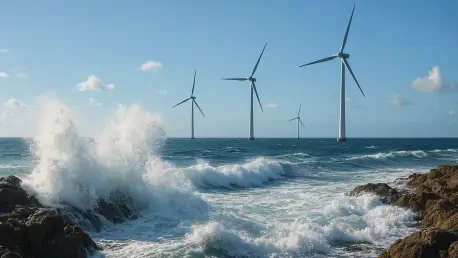
The outcome of the litigation against the Trump administration will likely determine if state-mandated renewable energy goals can survive aggressive federal opposition. Coastal states are currently clashing with Washington over the sudden and controversial reversal of offshore wind approvals that
The recent technical milestone at Ishwardi signifies a strategic shift toward energy independence as domestic natural gas fields deplete faster than new sources can be discovered. This shift represents a fundamental transformation for a nation that has long grappled with the volatility of imported
The rapid proliferation of generative artificial intelligence and sophisticated large-scale data analytics has initiated an unprecedented transformation in the global digital landscape. As artificial intelligence models expand exponentially in both complexity and scale, moving from millions to
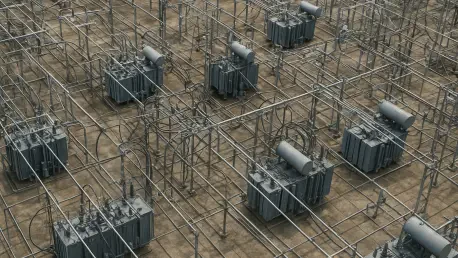
The silent hum of the electric grid has long been the background noise of industrial progress, but today that hum is being replaced by the rapid pulse of high-frequency data streams that dictate the movement of every kilowatt. This seismic shift marks the end of the legacy era where power moved