


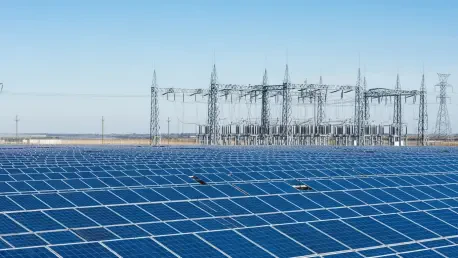

The transformation of the Texas energy landscape has reached a definitive turning point as the once-dominant reign of coal-fired power generation finally yields to the unprecedented surge of utility-scale solar infrastructure across the Lone Star State. This transition is not merely a symbolic change but a massive structural realignment driven by the sheer economic efficiency and technological maturity of renewable resources within the Electric Reliability Council of Texas market. According to recent data, solar power is projected to generate approximately 78,000 gigawatt-hours this year, comfortably outpacing the 60,000 gigawatt-hours expected from traditional coal plants. This milestone marks the culmination of years of aggressive investment and planning, signaling that even the most historically carbon-dependent regions can successfully pivot toward sustainable energy. The speed of this adoption reflects a pragmatic approach to grid reliability and market stability.
Infrastructure Expansion: The Rise of Utility-Scale Growth
Texas has strategically positioned itself as the epicenter of the American renewable energy revolution by capturing roughly forty percent of all new solar capacity added to the national grid during this current development cycle. This massive scale is best exemplified by the completion of utility-scale projects such as the 837-megawatt Tehuacana Creek facility, which currently stands as the largest single photovoltaic project in the United States. Such developments are not isolated incidents but part of a broader trend where massive solar farms are replacing aging thermal units that can no longer compete on cost. The sheer geography of the state provides an optimal environment for these installations, allowing for expansive arrays that benefit from high solar irradiance and favorable land-use policies. This physical expansion has fundamentally altered the wholesale electricity market, providing a steady stream of low-cost power during the hottest hours of the day when demand is highest.
Beyond the physical installation of panels, the economic logic driving this shift is rooted in the declining levelized cost of energy for solar compared to the rising maintenance and fuel costs associated with coal. Market participants have recognized that the marginal cost of solar generation is essentially zero once the initial capital expenditure is recovered, making it a highly attractive asset for long-term power purchase agreements. This financial reality has encouraged a diverse range of investors, from traditional energy companies to tech giants looking to decarbonize their data center operations, to flood the market with capital. Furthermore, the integration of these resources has forced a modernization of the high-voltage transmission network, ensuring that energy generated in the sun-drenched regions of West Texas can be efficiently transported to the high-demand population centers in the east. This synergy between private investment and infrastructure development has created a resilient framework.
Grid Stability: The Role of Advanced Storage Integration
A critical component of this energy evolution involves the rapid expansion of battery storage technology, which now serves as the essential backbone for a grid increasingly dependent on variable solar output. Texas currently represents over fifty percent of the planned utility-scale battery storage capacity in the nation, reflecting a proactive strategy to address the inherent intermittency of renewable generation. This infrastructure is vital for maintaining grid stability, as it allows the state to capture excess solar energy during peak daylight hours and deploy it instantly when demand surges during evening transition periods or extreme weather events. By integrating these massive storage arrays with solar farms, ERCOT can manage frequency fluctuations and prevent the localized blackouts that previously plagued the system during times of stress. This capability has transformed solar from a supplemental energy source into a baseload-capable resource that can effectively compete with the reliability of fossil fuels.
The environmental benefits of this transition are coupled with a significant reduction in price volatility, providing consumers and industrial users with more predictable energy costs throughout the year. As the state reduces its reliance on coal and natural gas, it simultaneously mitigates the financial risks associated with global fuel price spikes and supply chain disruptions. Furthermore, the reduction in planet-warming emissions and hazardous air pollution linked to coal combustion has led to improved public health outcomes in areas previously burdened by industrial runoff. This cleaner energy profile is attracting a new wave of manufacturing and technology firms to the state, as these businesses increasingly prioritize green energy availability in their site selection processes. The synthesis of solar generation and advanced battery storage is therefore not just an environmental triumph but a strategic economic advantage that ensures Texas remains a global leader in the modern industrial era.
Strategic Directions: A Diversified Energy Portfolio
The energy transition in Texas demonstrated how a combination of market incentives and technological advancement could fundamentally reshape a legacy power grid within a remarkably short period. State regulators and industry leaders moved away from the volatile coal markets and instead prioritized the buildout of a more flexible and decentralized energy architecture. This shift proved that the economic arguments for renewable energy were strong enough to overcome traditional political and industrial inertia, leading to a more competitive wholesale environment. By reaching the point where solar generation eclipsed coal, the state provided a blueprint for other regions looking to modernize their infrastructure without sacrificing reliability. The successful integration of these technologies required a coordinated effort between private developers and grid operators, ensuring that the transition remained seamless for the millions of residents and businesses relying on consistent power delivery.
Moving forward, the focus should remain on the continued optimization of the transmission network and the further deployment of distributed energy resources to maximize the utility of existing solar assets. Policymakers and grid planners might consider incentivizing behind-the-meter storage solutions and demand-response programs to create a more interactive and responsive electrical system. It is also imperative to invest in the domestic supply chain for photovoltaic components and battery materials to ensure that future growth remains insulated from international trade disruptions. Strengthening the workforce through specialized training programs for renewable energy technicians will also be essential to maintain the massive infrastructure currently in place. By continuing to iterate on these successful strategies, the state can further enhance its energy independence and set even more ambitious targets for carbon-free generation, ensuring that the transition away from coal is merely the first step toward a totally sustainable power future.







