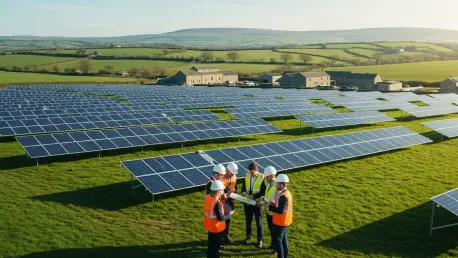

The rolling agricultural landscapes of southern Derbyshire are currently at the center of a massive transformation as the proposed Castle Way Energy solar project seeks to redefine how rural space contributes to the national power grid. This ambitious initiative represents a significant pivot in the regional land use strategy, moving away from traditional cultivation toward large-scale renewable electricity production. As the United Kingdom intensifies its pursuit of decarbonization, the tension between industrial-scale energy projects and the preservation of historic rural character has reached a critical juncture in the heart of the English countryside.
The current state of the solar industry reflects a rapid shift from small, localized installations toward massive utility-scale developments that can provide consistent power to the national infrastructure. Major market players are increasingly looking at sprawling agricultural sites as the primary frontier for meeting carbon reduction targets. This trend is driven by the necessity of scale, where projects must exceed a certain threshold to remain economically viable under the current regulatory and technological landscape.
The Rising Tide of Utility-Scale Solar Development in the United Kingdom
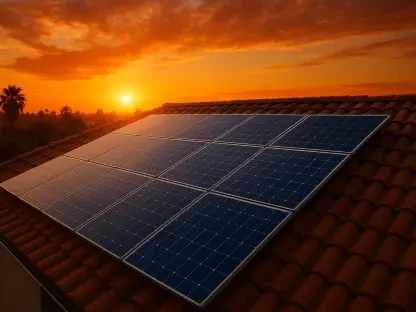
The solar energy sector has evolved from a niche alternative into a cornerstone of the national energy strategy, characterized by projects of unprecedented size and complexity. Modern solar developments are no longer simple arrays of panels but integrated energy hubs that utilize advanced photovoltaic modules and sophisticated grid-management software. This evolution is necessitated by the growing demand for renewable power sources that can displace coal and gas-fired generation while maintaining the reliability of the electrical supply across the country.
In the current market, the focus has shifted toward maximizing efficiency through the strategic placement of assets near existing high-voltage connection points. The influence of global supply chains and technological standardization has allowed developers to plan installations that span hundreds of acres, though this often places them in direct competition with traditional agricultural activities. As the industry matures, the integration of biodiversity enhancements and soil management practices has become a standard part of the proposal process, aimed at mitigating the environmental footprint of these massive steel and glass structures.
Strategic Innovations and Market Dynamics in Renewable Energy
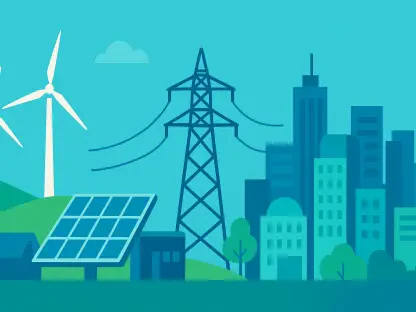
The transition toward a green economy is being fueled by a series of strategic innovations that address the inherent variability of solar power. Developers are no longer viewing solar farms as isolated assets but as part of a dynamic, interconnected system capable of responding to real-time grid fluctuations. This holistic approach to energy management is driving investment into regions like South Derbyshire, where the infrastructure exists to support heavy power injection from renewable sources.
Technological Advancements in Generation and Storage
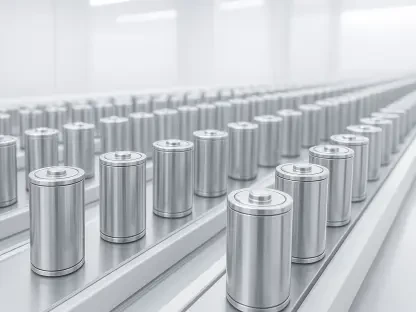
A defining feature of contemporary renewable projects is the inclusion of massive battery energy storage systems, which serve as a critical buffer between energy generation and consumption. The Castle Way Energy proposal highlights this trend with its planned 200-megawatt storage component, designed to capture surplus energy during periods of intense sunlight. This stored power can then be discharged back into the grid during peak evening hours or when cloud cover reduces the direct output of the solar panels.
Advancements in battery chemistry and management systems have significantly improved the safety and efficiency of these installations, making them more attractive to both investors and grid operators. Furthermore, the use of bifacial solar panels and smart tracking technology has increased the potential yield per acre, allowing for more power to be generated from a smaller physical footprint. These technological leaps are essential for the commercial viability of projects that must compete with established energy sources in a volatile global market.
Economic Projections and Energy Capacity Growth
The economic narrative surrounding solar energy has shifted from one of high subsidies to one of cost-competitiveness and long-term price stability. Current projections suggest that large-scale solar is among the cheapest forms of new energy generation available, providing a hedge against the price volatility associated with imported fossil fuels. For a project like Castle Way Energy, the capacity to power over 80,000 homes represents a substantial contribution to regional energy security and domestic production goals.
Looking ahead, the market is expected to see continued growth in the capacity of individual projects as the electrical grid is modernized to handle higher volumes of decentralized power. Performance indicators for the sector remain strong, with investment flowing into projects that can demonstrate both technical reliability and a clear path to regulatory approval. This forward-looking perspective assumes that the integration of storage and generation will remain the gold standard for renewable infrastructure for the remainder of the decade.
Navigating Local Resistance and Land Use Complexities
While the macro-economic arguments for solar are strong, the physical reality of covering 900 acres of countryside with industrial equipment faces significant local headwinds. Residents and local officials often perceive these developments as an unwanted industrialization of the landscape, arguing that the scale of such projects is incompatible with the rural identity of the region. This resistance is not merely aesthetic; it involves deep-seated concerns regarding the loss of productive farmland and the potential displacement of tenant farmers who rely on leased land for their livelihoods.
To address these complexities, developers are increasingly adopting a patchwork approach to land use, distributing solar arrays across multiple smaller plots rather than one continuous block. This strategy aims to reduce the visual impact and allow for the continued use of surrounding fields for traditional farming. However, the introduction of security fencing, CCTV, and heavy construction traffic remains a point of contention, requiring developers to implement rigorous community engagement and mitigation strategies to overcome public skepticism.
The Regulatory Framework for Nationally Significant Infrastructure Projects
The governance of large-scale energy projects in Britain is governed by a specialized legal framework designed to streamline the approval of infrastructure deemed vital to the nation. Under the Planning Act, projects exceeding a certain power output are classified as Nationally Significant Infrastructure Projects, which removes the final decision-making power from local district councils. Instead, the application is examined by the Planning Inspectorate, with the ultimate authority resting with the Secretary of State for Energy.
This centralized process ensures that local planning constraints do not stall projects that are essential for national energy security or climate goals. While local authorities are consulted and can provide evidence regarding the impact on their communities, the focus of the examination is on whether the project aligns with the National Policy Statements for energy. This regulatory structure creates a high bar for compliance and technical documentation, requiring developers to prove that the national benefits of the clean energy produced outweigh the localized negative impacts on the landscape and residents.
The Future of the Green Energy Landscape in Rural Britain
As the UK moves further into the 2020s, the rural landscape is increasingly becoming a dual-purpose environment where food production and energy generation coexist. The future of this landscape will likely be defined by the concept of land resting, where soil health is prioritized during the four-decade lifespan of a solar installation. This approach suggests that taking land out of intensive chemical-based agriculture for a generation may lead to significant long-term ecological recovery, potentially returning the land to farming in a more fertile state in the future.
Emerging technologies, such as agrivoltaics—where crops are grown or livestock is grazed beneath and between solar panels—may offer a solution to the land-use conflict. Innovations in panel design and mounting systems are making it more feasible to maintain some level of agricultural productivity alongside energy generation. As global economic conditions continue to prioritize sustainable energy and carbon neutrality, the integration of these dual-use strategies will be vital for the continued growth and social acceptance of the solar industry in Britain.
Balancing National Energy Security with Community Preservation
The evaluation of the Castle Way Energy proposal highlighted a fundamental tension between the urgent need for a resilient, low-carbon energy grid and the protection of local rural heritage. The evidence suggested that while the project offered undeniable benefits in terms of domestic power production and carbon reduction, the scale of the 900-acre development posed genuine challenges to the visual and social fabric of the Derbyshire countryside. The transition toward utility-scale solar has forced a difficult conversation about the value of land and the priorities of a nation attempting to navigate an environmental crisis.
Ultimately, the path forward for the renewable energy sector in Britain was paved by a more nuanced approach to development that integrated community feedback into the technical design. Successful investment in this space was found to depend not just on technological capability, but on the ability of developers to demonstrate a genuine commitment to biodiversity and local economic stability. The legacy of these massive projects will be judged by their ability to provide clean power while ensuring that the rural communities hosting them are not left behind in the rush toward a greener future.