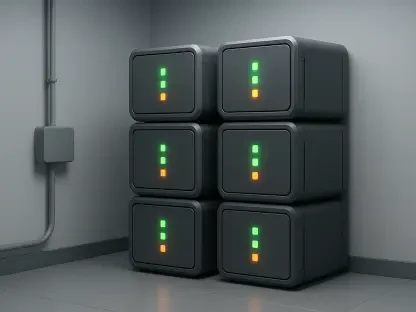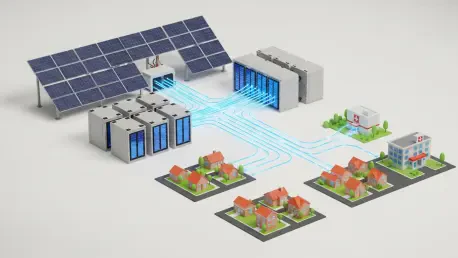

The electrical landscape undergoes a profound transformation as rural electric cooperatives increasingly adopt sophisticated battery energy storage systems to manage fluctuating power demands across their service territories. These decentralized energy solutions serve as critical bridges between intermittent renewable sources like solar or wind and the constant, reliable flow of electricity required by residential and commercial consumers. By capturing excess energy during periods of low usage and discharging it when the grid faces maximum strain, cooperatives successfully mitigate the high costs associated with peak demand charges. This technological shift represents more than just a modernization effort; it is a fundamental realignment of how local utility providers ensure affordability and sustainability for their member-owners. As the state continues to experience sustained growth, the implementation of utility-scale batteries offers a scalable defense against price volatility and potential service interruptions in the more remote regions.
Strengthening Financial Stability and Grid Resilience
One of the most significant advantages of battery storage lies in its ability to flatten the demand curve, a process commonly referred to as peak shaving. Electric cooperatives often pay substantial fees to wholesale power providers based on the single hour of highest usage during a billing cycle, which typically occurs during extreme summer heat or winter cold snaps. By utilizing stored energy during these critical windows, cooperatives reduce their reliance on expensive peak power from the open market, directly lowering the wholesale costs that would otherwise be passed on to the membership. This strategy creates a more predictable financial environment for the utility, allowing for better long-term planning and more efficient operations. Furthermore, the ability to control when and how much power is drawn from the broader regional grid provides cooperatives with greater leverage in energy procurement. These savings represent millions of dollars in avoided costs that are then reinvested into maintenance.
North Carolina frequently faces severe weather events, including hurricanes and intense thunderstorms, which pose constant threats to the physical integrity of the electrical distribution system. Battery energy storage systems act as localized power hubs that can provide emergency backup during outages, supporting critical infrastructure such as hospitals and emergency centers. When paired with microgrid controllers, these batteries allow specific sections of the grid to operate independently from the main transmission network, maintaining light and heat for residents even when external lines are damaged. This localized resilience is particularly vital for rural communities where repair crews might take longer to reach remote locations due to geography. By creating these pockets of self-sufficiency, cooperatives significantly improve the overall reliability of their service and reduce the duration of blackouts. The integration of storage thus serves as a great insurance policy against the climate.
The widespread adoption of battery storage encouraged cooperatives to refine their long-term strategies by prioritizing decentralized energy resources over traditional centralized models. Decision-makers recognized that the synergy between local solar generation and large-scale batteries created a more sustainable economic cycle for rural areas, keeping energy dollars within the community. Strategic partnerships with technology providers enabled the deployment of intelligent software capable of managing these assets in real-time, further maximizing the return on investment for member-owners. It became clear that the path toward a more reliable and affordable energy grid necessitated a shift away from reactive maintenance toward proactive, storage-centric planning. The successful integration of these systems demonstrated that small, member-owned utilities could lead the way in technological innovation while staying true to their mission of service. Utilities began prioritizing cross-sector collaboration to integrate electric vehicle charging with these storage assets.