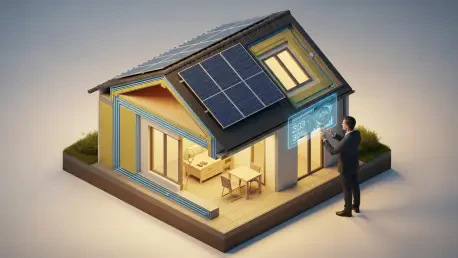

The legislative landscape governing the private rental sector is undergoing its most profound transformation in decades, placing the physical integrity and thermal performance of properties at the very heart of residential compliance and profitability. While much of the initial public discourse surrounding the Renters’ Rights Act focused on the high-profile abolition of no-fault evictions, the true long-term impact is found in the rigorous new standards for energy efficiency and habitability. This shift has effectively created a binary market where high-performing homes are increasingly viewed as premium assets, while aging, energy-inefficient units are relegated to a status of near-obsolescence. The pressure on landlords to adapt is no longer just a matter of environmental conscience but a fundamental requirement for legal operation. In this revised environment, the quality of a building’s insulation and the efficiency of its heating systems serve as the primary safeguards against litigation and financial instability, forcing a total reconsideration of property management strategies.
Strategic Advantages: Modernizing the Rental Portfolio
Landlords who have transitioned to modern heating technologies, such as air-source heat pumps and smart climate control systems, are finding themselves in a position of significant market leadership. These investments do more than just lower carbon footprints; they directly address the most common points of friction between owners and occupants. By integrating high-grade insulation and mechanical ventilation with heat recovery, property managers have largely eliminated recurring issues related to dampness and condensation. Such proactive measures are essential under the current accountability standards, where tenants are empowered to seek recourse for poor living conditions. Consequently, properties that offer superior thermal comfort tend to attract more stable, long-term tenancies, as occupants are less likely to vacate a home that provides a consistently healthy and affordable environment. This stability translates into predictable cash flows and a reduction in the administrative costs associated with high tenant turnover.
Furthermore, proactive upgrades function as a critical future-proofing mechanism for investors looking to protect their capital in an increasingly regulated environment. As minimum Energy Performance Certificate requirements continue to move toward more stringent benchmarks, those who implemented early improvements have avoided the sudden, disruptive costs of last-minute retrofitting. High-quality insulation materials and advanced double or triple glazing do not only improve heat retention but also serve to protect the underlying structural fabric of the building from the detrimental effects of moisture ingress and rot. This long-term preservation of the asset is vital for maintaining high valuation in a competitive sales market where buyers are now performing deep due diligence on energy performance. Landlords who viewed efficiency as a core part of their maintenance schedule rather than an optional luxury have effectively insulated their portfolios against both regulatory volatility and the physical degradation of their properties over the coming years.
Tenant Behavior: The Rise of the Energy Conscious Renter
Modern occupants have undergone a fundamental shift in how they evaluate the affordability of a potential home, moving away from a narrow focus on the monthly rent to a broader assessment of the total cost of occupancy. In the current economic climate, where utility prices remain a significant portion of household budgets, renters are scrutinizing EPC ratings with the same intensity previously reserved for location or floor plans. A property that seems competitively priced on paper can be swiftly rejected if it lacks the modern insulation needed to keep heating bills manageable during the colder months. This increased literacy in building performance means that savvy house hunters are prioritizing units that demonstrate high efficiency, viewing them as a necessary hedge against financial unpredictability. The result is a rental market where transparency regarding energy consumption is no longer a courtesy but a prerequisite for securing a lease with a high-quality applicant who values both comfort and fiscal stability.
This evolution in consumer behavior has created a distinct disadvantage for owners of poorly maintained or drafty housing stock. When energy costs are disproportionately high due to heat loss, tenants are far more likely to experience financial strain, which frequently leads to requests for rent reductions or early lease terminations. Units with low efficiency ratings are consequently witnessing longer void periods as they fail to compete with modernized alternatives that promise lower running costs. Beyond the immediate financial impact, the psychological toll of living in a cold or drafty environment often sours the landlord-tenant relationship, leading to more frequent disputes over maintenance and general upkeep. Renters now prioritize warmth and the predictability of their outgoings over traditional selling points such as period features or proximity to city centers. For the housing provider, ignoring these preferences results in a shrinking pool of eligible applicants and a significant decline in the overall competitiveness of the asset.
The Path Toward Sustainable Market Viability
The outlook is becoming increasingly precarious for those holding older, inefficient housing stock without a clear plan for renovation. The current legal framework grants residents expanded powers to challenge substandard living conditions, effectively making an outdated boiler or failing windows a significant legal liability. If a property falls below the accepted thresholds for habitability and thermal efficiency, owners face not only the threat of mandated repairs but also substantial fines and the possibility of being barred from renting the unit entirely. For many small-scale or accidental landlords, the capital expenditure required to bring these buildings up to code has rendered their traditional business models unsustainable. This pressure is accelerating a market exit for those who are unable or unwilling to invest in the necessary retrofits, leading to a consolidation of the rental sector. The risk of holding onto a “stranded asset” that cannot be legally let has never been higher, necessitating a rapid shift toward professionalized property management.
Having established these new protocols, property managers successfully integrated energy performance into their standard operating procedures. They shifted their focus toward long-term asset value rather than short-term yields, allowing for more substantial investments in renewable energy sources like rooftop solar arrays. These additions not only lowered the carbon footprint of the housing stock but also provided tenants with even greater financial predictability. Furthermore, the industry moved toward a model of continuous improvement, where energy ratings were reviewed annually rather than only when legally required. This cultural shift within the rental sector transformed the relationship between landlords and tenants into a partnership focused on quality and sustainability. The focus on high-grade retrofitting became the industry standard, effectively weeding out the neglectful practices of the past. By the time the full weight of the legislation was felt, the market had stabilized around these benchmarks, proving that efficiency was the cornerstone of a resilient and profitable rental enterprise.