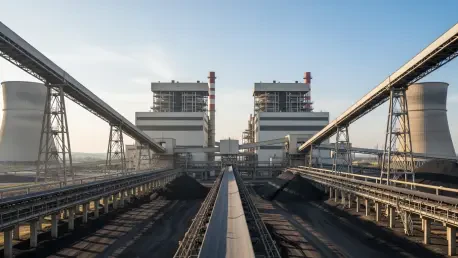

Morocco’s energy landscape is currently undergoing a massive transformation as the nation leverages its robust coal infrastructure to maintain a steady electricity supply despite dwindling natural gas imports. This strategic pivot ensures that the national grid remains operational even as maritime tensions and regional volatility threaten traditional fuel corridors. Currently, coal-fired power plants dominate the sector, providing 61.5% of the total electricity supply.
The National Office of Electricity and Drinking Water (ONEE) plays a decisive role in balancing this mix. By focusing on sovereign energy sources, the government maintains control over domestic productivity during periods of heightened global instability. Although natural gas plants exist, they remain underutilized because coal facilities offer superior infrastructure readiness for the current demand.
Navigating Shifts in Energy Sourcing and Market Performance
The Decline of Natural Gas Imports and the Pivot to Solid Fuels
A sharp 15% year-over-year drop in natural gas imports has forced a shift toward solid fuels. The total suspension of flows through the Maghreb-Europe pipeline intensified this trend, pushing the market to seek alternatives. Disruptions in the Strait of Hormuz further complicated fuel availability, making coal a more reliable procurement choice to avoid sudden price spikes.
Quantitative Analysis of Generation Capacity and Resource Dependency
Data indicates that coal-based output is rising to 27.4 terawatt-hours this year, a significant increase from previous cycles. In contrast, the contribution of gas has dwindled to just 10.9%, highlighting a massive dependency on solid fuel imports. To sustain this industrial momentum, Morocco continues to secure large volumes of coal from the Russian market.
Overcoming the Structural Obstacles of a Carbon-Intensive Energy Buffer
Maintaining such a coal-dependent profile presents significant environmental hurdles. The nation must manage logistical complexities while navigating international sanctions that affect trade routes. Despite these pressures, the immediate need for grid reliability often takes precedence over the long-term desire for lower-carbon alternatives.
Economic risks associated with high-carbon fuels are also a concern during global energy transitions. However, the existing infrastructure provides a necessary buffer against the volatility of the international gas market. Strategically diversifying coal sources helps mitigate some of these supply chain bottlenecks.
The Regulatory Framework and National Energy Security Protocols
Government policies currently prioritize an uninterrupted power supply over environmental diversification. This regulatory stance ensures that domestic resource scarcity does not translate into blackouts. While international standards are respected, the lack of transparency regarding gas import stoppages makes market predictability difficult for private stakeholders.
Security measures have been tightened to protect coal-fired infrastructure from geopolitical interference. These protocols safeguard the supply lines that are essential for national stability. By focusing on physical security and fuel stockpiling, the state maintains a resilient energy posture.
Future Outlook for Morocco’s Energy Transition and Grid Resilience
The integration of emerging technologies will soon optimize coal efficiency, serving as a bridge to a renewable future. If global logistics stabilize, there is potential for revitalizing gas-to-power infrastructure. For now, the focus remains on enhancing the grid through energy storage and hybrid systems that might eventually reduce the carbon footprint.
Global economic conditions and future carbon pricing will likely influence long-term strategies. As technology matures, the national grid will need to adapt to more flexible generation models. Transitioning away from solid fuels remains a goal, but it depends heavily on the stability of international energy markets.
The Moroccan power sector demonstrated a pragmatic prioritization of energy security through its established coal infrastructure. Stakeholders recognized that immediate grid needs outweighed sustainability commitments during periods of peak volatility. Investors identified new opportunities for enhancing supply chain resilience while the nation prepared for a gradual shift toward diversified energy sources.