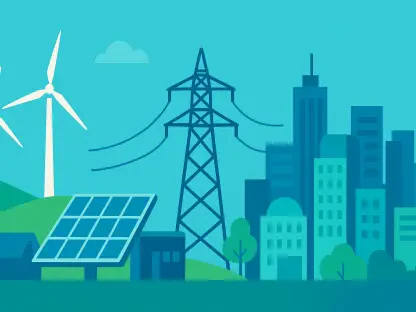

The traditional architecture of global power distribution is facing an unprecedented moment of reckoning as aging systems struggle to balance the surge in renewable energy with the mounting pressures of universal electrification. This shift is being defined by a rapid move toward digitalization and decarbonization, where the Internet of Things (IoT) acts as the central nervous system for a new, intelligent energy landscape. Industry projections indicate that the market for IoT in energy grid management is on a trajectory to reach approximately $25.76 billion by 2030, representing a compound annual growth rate of 16.4% starting from 2026. This transition is not merely a technical upgrade but a fundamental shift from passive, one-way electricity delivery to active, multi-directional energy exchange. While this sub-sector represents a specialized portion of the broader information technology market, which is expected to be worth nearly $13.8 trillion by the end of the decade, its strategic importance is outsized. The modernization of the grid is now considered a matter of national security and economic survival, as stable power becomes the prerequisite for everything from artificial intelligence data centers to the massive rollout of electric vehicle charging networks.
Within the wider technological ecosystem, the global IoT market as a whole is expected to surpass $1.2 trillion by 2030, positioning energy grid applications as a critical driver of industrial connectivity. Although this segment comprises roughly 2% of total IoT spending, its impact on environmental sustainability and grid reliability makes it a top priority for governmental and private investment. This period between 2026 and 2030 is particularly vital, as utilities move beyond experimental pilot programs into full-scale deployments of connected sensors and automated control systems. The goal is to create a grid that is not only smarter but also more resilient to the physical and cyber threats that characterize the modern era. By integrating thousands of data points across the transmission and distribution network, providers are gaining the ability to visualize energy flow in real-time, allowing for a level of precision that was previously impossible. This evolution ensures that the massive investments in solar and wind power can be effectively managed, preventing the waste of green energy and ensuring that supply consistently meets the shifting patterns of modern demand.
Strategic Dominance within the North American Power Sector
North America has emerged as the clear frontrunner in the race to digitalize the power grid, with regional market valuations expected to hit $9.0 billion by 2030. The United States is at the forefront of this movement, driven by the urgent need to overhaul infrastructure that has, in many cases, exceeded its intended operational lifespan. Modernizing these aging assets involves the large-scale integration of smart grid technologies that can provide diagnostic data and automated responses to local fluctuations. This regional growth is supported by substantial federal incentives and state-level mandates aimed at reducing carbon emissions and improving overall grid efficiency. For utilities in the U.S. and Canada, the focus is shifting away from reactive repairs and toward proactive, data-driven maintenance. By utilizing IoT sensors to monitor the health of high-voltage transformers and distribution lines, these providers can identify potential failure points before they lead to widespread outages. This systematic approach to modernization is essential for maintaining economic competitiveness in a world where power interruptions can cost industries billions of dollars in lost productivity and damaged equipment.
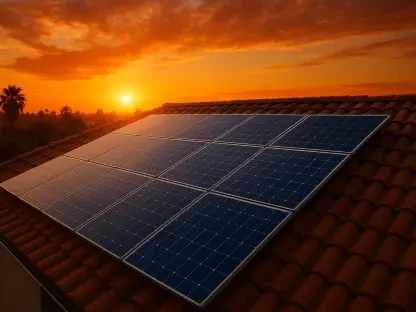
The push for climate resilience is also a significant factor in North America’s leadership, as the region faces an increasing frequency of extreme weather events that threaten the stability of traditional power lines. IoT-enabled predictive maintenance and advanced weather modeling allow utilities to prepare for storms or heatwaves with greater accuracy, rerouting power and hardening vulnerable nodes in advance. Furthermore, the integration of distributed energy resources, such as residential solar panels and localized battery storage, requires a sophisticated digital layer to manage the bidirectional flow of electricity. Without the real-time visibility provided by IoT, the influx of decentralized power could destabilize local circuits. North American providers are therefore investing heavily in Advanced Metering Infrastructure and Distribution Automation to ensure that the grid remains stable even as it becomes more complex. This commitment to innovation is setting a global benchmark, demonstrating how digital tools can transform a legacy industrial system into a flexible and responsive platform for a carbon-neutral future.
Building the Foundation: Hardware and Software Integration
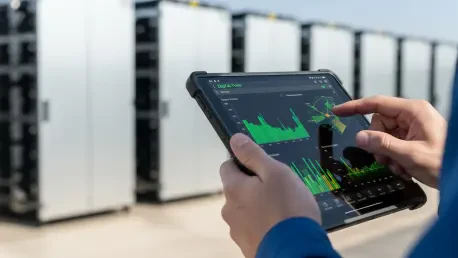
The physical backbone of the smart grid remains the hardware segment, which is projected to maintain a dominant share of over 50% of the total market by 2030. This infrastructure consists of Intelligent Electronic Devices, smart sensors, and edge computing units that are physically installed across thousands of miles of transmission and distribution lines. These components are responsible for capturing critical data points, such as current flow, voltage levels, and thermal conditions, which are then transmitted to central control hubs. The transformation of legacy substations into digital centers is a primary focus of current capital expenditures, as these sites must now handle high-speed data processing alongside high-voltage power switching. By placing intelligence at the “edge” of the network, utilities can ensure that local fluctuations are addressed in milliseconds, preventing minor issues from cascading into large-scale blackouts. The sheer scale of the global electrical network means that the demand for these physical connected devices will remain high for years to come, providing the essential sensory input required for any automated system.
While hardware provides the necessary infrastructure, the true intelligence of the modern grid resides in the software and services that analyze and act upon the collected data. From 2026 toward 2030, the market is seeing a notable shift where the growth in software solutions is beginning to outpace physical installations in terms of added value. This evolution involves the use of artificial intelligence and machine learning to optimize grid operations, perform predictive maintenance, and manage complex demand-response programs. Utilities are no longer just looking for sensors; they are looking for comprehensive platforms that can integrate disparate data streams into a single, actionable dashboard. This has led to a surge in demand for specialized services, including system integration, cybersecurity consulting, and managed services. As the grid becomes increasingly connected, the threat of cyberattacks becomes more pronounced, making robust security protocols a mandatory component of any software deployment. This transition from basic connectivity to advanced optimization represents the next phase of the energy revolution, where data becomes as valuable as the electricity itself.
Catalysts Driving the Shift toward Autonomous Networks
The rapid expansion of IoT in grid management is fueled by three primary catalysts: strategic investment in digital infrastructure, the deep integration of connected devices, and the escalating demand for real-time visibility. Government subsidies and policy frameworks are currently treating the digital grid as a foundational piece of national infrastructure, much like the interstate highway system or the telecommunications network. These investments allow for the implementation of automation technologies that enable the grid to “self-heal.” In a self-healing grid, the system can automatically isolate a fault—such as a line downed by a fallen tree—and reroute power through alternate paths without human intervention. This capability drastically reduces the duration of outages and improves the overall reliability of the system, which is crucial as societies become more dependent on consistent electricity for essential services. This automation is expected to be a major contributor to the sector’s steady growth, providing a clear return on investment through reduced operational costs and improved customer satisfaction.
Deep integration of IoT devices across every layer of the energy value chain is another critical factor in this transformation. By connecting everything from large-scale wind farms to individual household appliances, operators can achieve dynamic load balancing on a massive scale. This ensures that energy generation is matched perfectly with consumption, minimizing the need for expensive and carbon-intensive “peaker” plants that only run during periods of highest demand. The rising demand for real-time monitoring is further amplified by the volatility of modern energy patterns, which are influenced by the unpredictable nature of renewable sources and the rapid adoption of electric vehicles. EV charging, in particular, creates massive spikes in demand that can overwhelm local transformers if not managed intelligently. IoT platforms allow utilities to communicate with charging stations, slowing down or staggering charge times during peak periods to maintain system balance. This level of situational awareness is no longer a luxury but a fundamental requirement for the stability of a modern, electrified society.
Expanding the Reach: End-User Applications and Engagement
The application of IoT in energy management is becoming increasingly diverse, extending far beyond the utility company’s control room to include industrial, commercial, and residential users. One of the most impactful developments is the use of “digital twins,” which are virtual replicas of physical grid assets. These models use real-time data from IoT sensors to simulate the performance of transformers and generators under various conditions, allowing operators to predict wear and tear with high accuracy. This capability extends the lifespan of expensive equipment and allows for maintenance to be scheduled during low-demand periods, avoiding the high costs associated with emergency repairs. Furthermore, as energy storage technology becomes more common, IoT is used to manage the charging and discharging cycles of large-scale battery systems. These batteries act as a buffer for the grid, absorbing excess solar power during the day and releasing it in the evening, with IoT systems ensuring that this process happens as efficiently as possible.
The role of the consumer is also changing, as residential and industrial users become active participants in the energy market through demand-response initiatives. IoT-enabled smart meters and home energy management systems allow users to receive real-time pricing signals from their utility provider. During periods of high demand, when prices are high, these systems can automatically adjust thermostats or delay the operation of heavy appliances to save the consumer money and reduce the load on the grid. In the industrial sector, large factories are using IoT to monitor their energy consumption at a granular level, identifying inefficiencies and participating in programs where they are paid to reduce usage during critical peaks. This collective engagement is transforming the power system into a responsive ecosystem where every connected device plays a part in maintaining balance. By 2030, the distinction between energy producer and energy consumer will continue to blur, as homes and businesses with solar panels and batteries feed power back into the grid, managed entirely by intelligent IoT platforms.
Strategic Implementation and Future Considerations
The global transition toward an IoT-enabled energy grid reached several critical milestones as the industry moved closer to the 2030 objectives. Policymakers and utility executives successfully prioritized the deployment of high-speed communication networks, such as 5G and satellite connectivity, to ensure that even the most remote parts of the power grid remained online. This foundational work allowed for the seamless integration of millions of new sensors, which provided the data necessary to stabilize a grid increasingly reliant on intermittent renewable sources. Organizations focused on standardizing data protocols, which reduced the friction between different hardware and software vendors and allowed for a more unified approach to grid management. This interoperability was essential for scaling the technology across international borders and between different utility jurisdictions. Leaders in the sector also recognized that the human element was just as important as the technology, investing in workforce retraining programs to ensure that grid operators were capable of managing highly automated, data-driven systems.
Security remained a top priority as the physical and digital worlds became inextricably linked, leading to the development of advanced cybersecurity frameworks specifically tailored for industrial control systems. These protocols utilized blockchain and other decentralized technologies to secure data transmission and verify the identity of every device connected to the network. The focus shifted from merely defending the perimeter to building “resilience by design,” where the system was capable of maintaining core functions even during a partial breach. Utilities also explored the ethical implications of data collection, ensuring that consumer privacy was protected while still harvesting the insights needed to optimize the grid. As the decade progressed, the integration of artificial intelligence became more sophisticated, moving from simple predictive models to fully autonomous grid management systems capable of making complex decisions in real-time. This historical progress laid the groundwork for a future where energy is not just a commodity, but a dynamically managed resource that supports a sustainable and interconnected global economy.