
The transition toward sustainable industrial operations has moved beyond theoretical goals into a phase of tangible infrastructure transformation where energy independence is the primary objective. As the global nutraceutical and pharmaceutical industries grapple with the complexities of carbon reduction, the manufacturing facility in Bornem, Belgium, has established a new benchmark by achieving complete reliance on renewable electricity. This milestone was finalized through a strategic integration of diverse energy sources, fundamentally altering how gelatin hard empty capsules are produced for the global market. By prioritizing local energy generation over external offsets, the facility demonstrates that large-scale manufacturing can maintain rigorous quality standards while decoupling production from traditional fossil fuel consumption. This evolution reflects a broader shift in corporate strategy where environmental stewardship is no longer a peripheral concern but a core component of operational excellence and long-term supply chain resilience.
Local Energy Integration and Strategic Partnerships
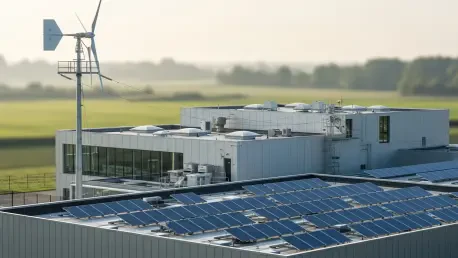
The cornerstone of this environmental achievement lies in a long-term power purchase agreement with the Belgian renewable energy cooperative Beauvent, which facilitates a direct connection to a local wind turbine. This specific arrangement provides approximately 14% of the Bornem site’s total electricity requirements, ensuring that a significant portion of the energy used for manufacturing is harvested within the immediate vicinity. Unlike standard green energy credits, this direct-wire approach offers a physical link to the source, providing the plant with a stable and predictable power supply that remains unaffected by the broader volatility of the national grid. Such partnerships represent a shift toward decentralized energy models, where industrial sites work in tandem with local cooperatives to build regional infrastructure that serves both the company’s sustainability targets and the community’s renewable energy capacity.
Beyond wind power, the facility has optimized its existing assets by maximizing the output of onsite solar panels, which, when combined with the new wind turbine, allows the plant to generate 25% of its total energy locally. To bridge the remaining gap and reach the total renewable threshold, the site utilizes a virtual power purchase agreement that sources certified green electricity from the wider European market. This layered approach to energy procurement ensures that the manufacturing process for gelatin hard empty capsules remains entirely carbon-neutral regarding electricity usage. By mirroring the success of similar initiatives at other European sites, such as the facility in Colmar, France, the company is creating a unified regional network of sustainable production hubs. This strategy not only reduces the direct environmental impact of the plant but also establishes a reproducible blueprint for other high-intensity manufacturing sectors looking to modernize their energy portfolios.
Supply Chain Resilience and Global Decarbonization Impacts
Decarbonizing the production of capsule solutions has a profound ripple effect across the entire nutraceutical supply chain, directly influencing the environmental metrics of global health brands. When a primary manufacturer reduces its operational emissions, it effectively lowers the Scope 3 emissions for every customer that utilizes its products, providing a competitive advantage in a market increasingly defined by transparency and sustainability. The Bornem facility plays a critical role in this ecosystem, specializing in the production of high-quality capsules that meet stringent regulatory and consumer demands. By securing a 100% renewable energy profile, the site ensures that its clients can claim a lower carbon footprint for their final products without sacrificing the reliability or quality of the essential delivery systems required for their active ingredients and supplements.
Furthermore, the emphasis on local and renewable energy sources acts as a hedge against the geopolitical and economic instability that often disrupts global energy markets. By insulating production from the price fluctuations of fossil fuels, the facility enhances its operational stability and provides long-term cost predictability for its international partners. This resilience is supported by a geographically diverse manufacturing network that leverages global sourcing models and rigorous risk management to prevent supply chain bottlenecks. The integration of sustainable energy into this robust infrastructure demonstrates that environmental responsibility and industrial reliability are not mutually exclusive. Instead, they are complementary forces that strengthen the overall value proposition of the manufacturing process, ensuring that the delivery of essential health products remains consistent even as global energy landscapes continue to undergo rapid and unpredictable changes.
Future Considerations for Sustainable Manufacturing Excellence
As the industrial sector moves further into this new era of green production, the focus must shift from initial implementation to the continuous optimization of energy storage and demand-side management. The success in Belgium suggests that the next logical step for major manufacturing hubs involves the integration of advanced battery storage systems to capture excess wind and solar power for use during periods of low generation. Companies should also explore the potential of hydrogen-based thermal energy to replace the natural gas often required for high-heat manufacturing processes, thereby addressing the remaining carbon footprint associated with heating and cooling. Strengthening ties with local energy cooperatives will remain vital, as these collaborations provide the necessary scale and community support to expand renewable infrastructure beyond the physical boundaries of the manufacturing site itself.
Moving forward, stakeholders in the pharmaceutical and nutraceutical sectors should prioritize suppliers who demonstrate a commitment to physical energy investments rather than those relying solely on financial offsets. The transition at the Bornem site highlights that true sustainability is achieved through a combination of local generation, strategic long-term agreements, and a willingness to redesign traditional power consumption patterns. Future initiatives should focus on scaling these local models across global networks to create a standard of “green by design” manufacturing. This approach not only prepares facilities for stricter environmental regulations but also ensures that the production of life-sustaining products contributes to the restoration of the global climate. By adopting these actionable strategies, the industry as a whole moved closer to a future where high-performance manufacturing and environmental preservation exist in a state of permanent and productive synergy.