
Every time a user interacts with a generative artificial intelligence model or streams high-definition content, a vast and invisible network of high-density servers consumes an amount of electricity that is rapidly redrawing the map of global power consumption. This structural shift moved electricity from a background utility to the primary driver of national economic stability and security across the globe. As the International Energy Agency observes, power demand is no longer following the slow, predictable growth patterns of previous decades but is instead experiencing a massive surge driven by the digital economy. This transformation highlights a new reality where the global energy landscape is dictated not just by industrial manufacturing or residential heating, but by the relentless cooling and processing needs of billions of transistors. Consequently, the world finds itself at a crossroads where digital expansion must be balanced against the constraints of existing power grids and the necessity for sustainable development.
Evolving Policy and Market Dynamics
Governments are increasingly stepping away from the traditional, top-down management of energy sectors to adopt a more nimble, regulatory-focused role. This decentralization allows market-driven entities and public-private partnerships to take the lead in infrastructure investment and technological innovation. By establishing clear emissions standards and performance benchmarks, policymakers are creating an environment where competition drives efficiency in power generation and distribution. This evolution suggests that the legacy methods of energy planning, which often relied on slow-moving state monopolies, are becoming obsolete in a world that demands rapid deployment of resources. The focus is shifting toward creating flexible frameworks that can adapt to the volatile energy needs of modern technology firms. This regulatory pivot ensures that while the state maintains oversight of environmental goals, the actual growth of the grid is fueled by the private capital necessary to build high-capacity substations and transmission lines.
Modern energy planners can no longer rely on simplistic models based on average household growth or traditional industrial cycles to predict future needs. Instead, the focus has shifted toward accounting for concentrated, 24/7 high-quality demand that is specifically designed to meet the rigorous requirements of hyperscale data centers. These facilities do not experience the typical peaks and valleys of residential power usage; they require a constant, unwavering stream of electricity to maintain server uptime and prevent data loss. This transition necessitates a specialized power grid that prioritizes reliability and sophisticated load management over older, more rigid distribution techniques. As the digital economy continues its rapid expansion from 2026 toward the end of the decade, the synergy between localized policy frameworks and market-driven expansion will become the primary engine for building a resilient energy infrastructure. The goal is no longer just to provide power, but to provide high-reliability energy in specific geographic clusters.
The Massive Scale of Digital Energy Needs
Data centers have undergone a radical transformation from niche technical facilities into the most critical drivers of global electricity consumption. While these centers once represented a small fraction of total demand, their requirements are projected to double by 2030 due to the increasing complexity of cloud-based services and global connectivity. The explosion of specialized AI hardware, which generates significantly more heat and requires much higher wattage than standard enterprise servers, has accelerated this trend beyond previous expectations. A single large-scale AI hub now possesses the capacity to consume as much electricity as a small metropolitan area, placing an unprecedented level of strain on local utility providers. This massive scale of consumption is forcing a total reconsideration of how energy is generated and where it is distributed. To keep up with this growth, utility companies must find ways to increase capacity without compromising the stability of the broader grid or failing to meet carbon reduction targets.
This geographic concentration of power demand is compelling nations to rewrite their national energy strategies to accommodate localized, high-intensity power loads. Regions that have successfully positioned themselves as global digital hubs, including parts of the United States and Singapore, are now facing the reality that their infrastructure must be reinforced to support these massive requirements. Energy planning is becoming increasingly location-specific, moving away from broad national averages to focus on the particular needs of technology corridors and digital enterprise zones. For instance, the expansion of subsea cables and satellite networks further complicates the picture, as these connection points often require dedicated energy support in areas that were previously under-served. By aligning digital infrastructure development with power availability, governments can ensure that they remain competitive in the global market. This strategic alignment is essential for maintaining the technological edge necessary to thrive in the modern era.
Egypt as a Model for Strategic Energy Transition
Egypt provides a compelling case study of how a developing nation can effectively balance the need for traditional energy reliability with ambitious renewable energy targets. Through its Vision 2030 initiative, the country is actively working to generate a significant portion of its total electricity from renewable sources while simultaneously modernizing its national grid to handle higher loads. By allocating substantial government funding toward energy projects, including the expansion of solar and wind capacity, the Egyptian government is addressing the infrastructure gap that often hampers digital growth in emerging markets. These investments are not limited to generation alone; they include critical transmission upgrades and international interconnectivity projects that position the nation as a regional energy hub. This proactive approach allows the country to integrate cleaner energy sources into its mix without sacrificing the reliability that large-scale industrial and digital consumers demand for their operations.
To maintain stability and economic security during this transition, the government continues to utilize its significant natural gas reserves as a primary fuel source. This dual-track strategy ensures that the nation maintains a consistent and reliable power supply, which is a prerequisite for attracting the massive investments required for large-scale data center construction. By leveraging hydrocarbon wealth to fund and stabilize a greener grid, the country provides a roadmap for other resource-rich nations looking to pivot toward a more diversified energy economy. This balance between immediate energy security and long-term sustainability goals allows the country to meet the rigorous demands of the global digital market while moving steadily toward its environmental objectives. The result is an energy profile that is both resilient to global market fluctuations and capable of supporting the high-uptime requirements of the artificial intelligence sector, ensuring that digital growth remains a cornerstone of the national economy.
Practical Pathways for Future Integration
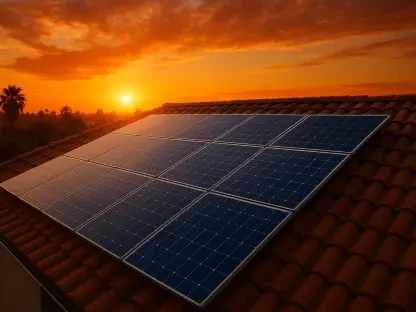
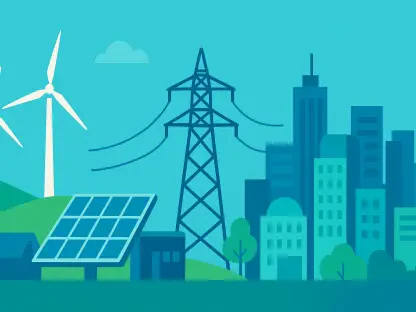
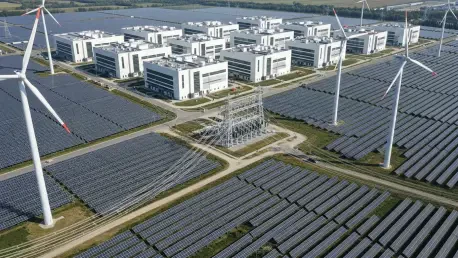
To successfully integrate the growing needs of the AI sector into the global power framework, energy experts are emphasizing the importance of pragmatic execution over purely theoretical models. One of the most effective strategies emerging in 2026 is hybridization, which involves fast-tracking energy projects that combine solar, wind, and advanced battery storage systems near major grid connection points. This approach ensures that high-demand digital clusters have access to a steady, 24/7 supply of sustainable power, effectively mitigating the intermittent nature of renewable sources. By placing generation assets in close proximity to the consumption centers, developers can reduce transmission losses and lower the overall cost of energy for the data center operators. This trend toward localized, self-sustaining energy ecosystems represents a significant shift in how industrial power is conceptualized and delivered. Furthermore, it allows for more granular control over energy usage, enabling facility managers to optimize their consumption in real-time.
The path forward for global energy systems required a shift from reactive maintenance to the proactive deployment of advanced nuclear modular reactors and ultra-high-voltage transmission lines. Organizations that successfully navigated this transition utilized direct power purchase agreements to fund the expansion of zero-carbon baseload power, ensuring that the massive energy appetite of artificial intelligence did not compromise climate stability. Governments moved beyond simple subsidies, instead fostering specialized industrial zones where energy-intensive compute clusters were physically integrated with renewable generation hubs. This strategy minimized the burden on residential consumers while providing the high-density power required for deep learning applications. Ultimately, the integration of edge computing and localized microgrids offered the most resilient solution for stabilizing the global energy supply. These initiatives proved that the convergence of digital and energy strategies was the only viable method for securing long-term economic growth.