
The persistent challenge of managing agricultural waste has long cast a shadow over regional air quality, yet a transformative shift is underway as energy pioneers turn this environmental liability into a cornerstone of the power grid. SAEL Industries Limited has recently unveiled a comprehensive strategic roadmap designed to fundamentally expand its bioenergy footprint, setting a rigorous target to reach one gigawatt of biomass-based power generation capacity by 2031. This initiative marks a significant escalation from current operations, focusing primarily on the sophisticated utilization of paddy stubble and a diverse array of agricultural residues as primary feedstock. By positioning itself at the forefront of the waste-to-energy sector, the company currently operates as a leading producer of electricity derived from paddy straw. This established foundation includes eleven operational plants across the states of Punjab, Haryana, and Rajasthan, which collectively contribute 165 megawatts to the regional energy supply.
Building on this operational success, the expansion strategy involves a calculated move beyond the northern industrial corridors into geographically diverse territories such as Chhattisgarh, Andhra Pradesh, Madhya Pradesh, and Uttar Pradesh. This geographic diversification is not merely an exercise in scaling but a strategic effort to target specific regions where stubble-based power generation is both commercially viable and operationally sustainable. By establishing decentralized renewable energy networks in these areas, the project seeks to provide a permanent, high-volume alternative to the traditional practice of seasonal stubble burning. This shift addresses a critical environmental crisis by mitigating the massive release of greenhouse gas emissions and particulate matter that typically plagues the atmosphere during harvest seasons. Simultaneously, the model creates a robust economic pipeline for rural farming communities, offering them a financial incentive to participate in the burgeoning green energy economy.
Strategic Integration: Converting Agricultural Waste into Clean Energy
The transition toward a one-gigawatt capacity aligns seamlessly with broader national sustainability goals, reflecting a growing consensus on the necessity of integrated waste management systems. This ambitious growth trajectory underscores the evolving role of biomass as a dependable and baseload-capable component of the modern energy mix, rather than a niche or supplementary power source. By converting agricultural liabilities into high-value energy assets, the initiative fosters a circular economy model that balances the demands of industrial growth with the requirements of environmental stewardship. The technical implementation involves advanced combustion and processing technologies that ensure high efficiency while adhering to strict emission standards. This approach naturally leads to a more resilient power infrastructure, where local fuel sources reduce the reliance on imported fossil fuels and minimize the logistical complexities associated with traditional energy distribution.
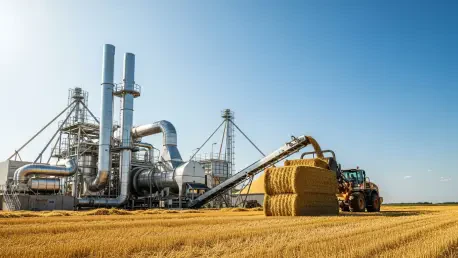
The successful realization of this bioenergy roadmap required the establishment of integrated supply chain mechanisms that ensured a steady flow of feedstock from the fields to the power units. Stakeholders focused on developing collection hubs and specialized machinery to manage the bulk processing of agricultural residues, which streamlined the entire production cycle. Policymakers and industry leaders viewed this progress as a blueprint for future renewable energy projects, particularly in regions where agricultural density provides a surplus of untapped organic material. Future considerations must prioritize the refinement of logistical networks and the continuous upgrading of boiler technologies to accommodate varying types of biomass. Industry participants would be well-served by investing in localized storage solutions to prevent seasonal supply disruptions, thereby securing the long-term reliability of the one-gigawatt network. These advancements paved the way for a more sustainable industrial landscape where waste is no longer a burden but a vital fuel for progress.