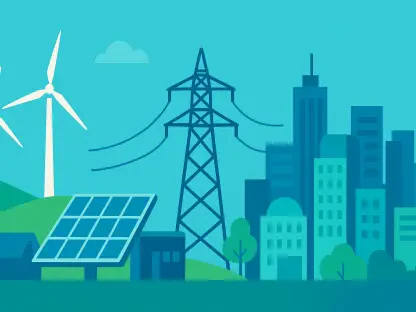

The explosion of generative artificial intelligence has fundamentally altered the global energy landscape, transforming once-stagnant utility companies into some of the most sought-after assets in the modern financial market. As hyper-scalers like Microsoft, Google, and Amazon aggressively expand their data center footprints to accommodate massive training clusters, the demand for reliable, 24/7 electricity has surged to levels not seen in decades. This sudden trajectory shift has forced a reevaluation of power grid stability and the essential role of carbon-free baseload energy. Traditional energy providers are now navigating a complex transition where they must balance immediate load growth with long-term climate goals. The intersection of high-performance computing and energy production has created a unique economic environment where electricity is no longer a mere commodity but a critical strategic resource. Consequently, the valuation of companies capable of delivering large-scale clean energy has decoupled from historical norms, reflecting their newfound status as the backbone of the digital economy.
The Strategic Pivot: Nuclear Energy and Grid Infrastructure
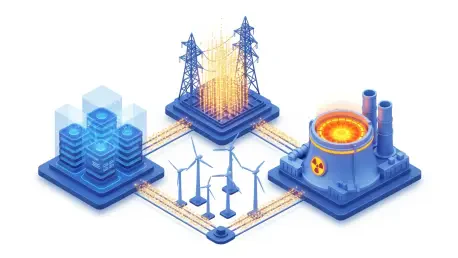
The pursuit of reliable, carbon-neutral energy has led to a dramatic resurgence in the nuclear power sector, which was previously viewed as a declining industry due to high capital costs and regulatory hurdles. Tech giants are increasingly entering into direct power purchase agreements with nuclear operators to ensure their artificial intelligence models remain operational without increasing their overall carbon footprint. For instance, the reactivation of retired reactors has become a viable strategy to meet the immediate needs of nearby data center campuses that require gigawatt-scale power. This shift has revitalized companies like Constellation Energy and Vistra, whose stock prices have soared as investors recognize the premium value of firm, emission-free electricity. Unlike solar or wind, which are subject to weather conditions, nuclear plants provide a steady stream of power that aligns perfectly with the constant uptime requirements of modern server farms. This alignment of interests is driving a fundamental restructuring of how energy is contracted and valued across the industrial sector.
While energy generation remains a primary focus, the physical infrastructure required to transport electricity from power plants to data centers has emerged as a significant bottleneck for the expansion of artificial intelligence. Utility companies are currently undertaking massive grid modernization projects to handle the increased load and ensure that local distribution networks do not become overwhelmed by concentrated demand. This involves the installation of high-capacity transmission lines and the implementation of smart grid technologies that can dynamically manage power flows in real-time. Investors have turned their attention to firms specializing in electrical equipment and grid services, such as Eaton and Schneider Electric, as these companies provide the hardware necessary for this massive upgrade. The urgency of these projects is driven by the fact that data center development often outpaces the timeline for new transmission projects, leading to a scramble for existing capacity. Consequently, utilities with favorable geographic locations and robust existing infrastructure have seen their market capitalizations rise as they become the preferred partners for tech-led industrial growth.
Stakeholders recognized the necessity of prioritizing long-term energy security over short-term cost savings as the volatility of the power market increased throughout the current cycle. Strategic planners shifted their focus toward securing diverse energy portfolios that combined solar, wind, and battery storage with reliable baseload sources to mitigate the risks of intermittency. Policy experts advocated for streamlined permitting processes that allowed for the rapid expansion of transmission networks to keep pace with the swift deployment of computational hardware. Financial analysts emphasized the importance of evaluating utility companies based on their ability to deliver scalable and sustainable power solutions rather than traditional dividend yields alone. This period marked a transition where energy efficiency in hardware design became just as critical as the capacity of the power grid itself. These actions established a blueprint for sustainable growth that balanced the immense power requirements of artificial intelligence with the global commitment to a carbon-neutral future.