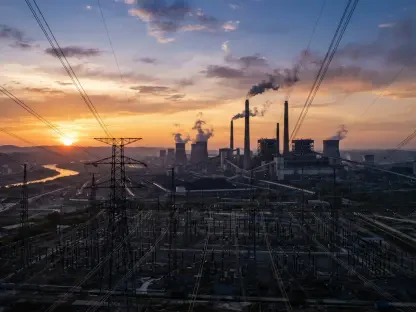

The persistent challenge of energy poverty in sub-Saharan Africa often finds its most complex battlegrounds within industrial hubs like Abia State, where the gap between potential and performance has historically been defined by systemic power shortages. For years, the industrial aspirations of Umuahia and Aba were dampened by a grid that could not meet the demands of a modernizing economy, leaving critical sectors like healthcare and education to operate on the erratic rhythms of expensive diesel generators. This narrative took a decisive turn during a recent high-level strategic meeting at the Government House in Umuahia, where Governor Alex Otti hosted Jennifer Adighije, the Managing Director of the Niger Delta Power Holding Company. Their dialogue centered on the belief that electricity is not merely a utility but the foundational pillar required for any meaningful economic development or social progress. By focusing on radical structural reforms rather than temporary fixes, the administration seeks to permanently alter the state’s energy landscape, ensuring that the lights stay on for the entrepreneurs and citizens who drive the local economy forward.
Restoring Capacity through Technical and Financial Recovery
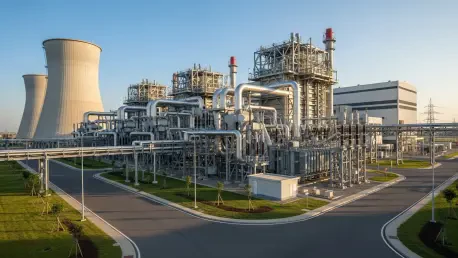
The revitalization of the 450MW Alaoji Open Circuit Power Plant stands as a central achievement in this new era of cooperation, signaling a shift from stagnation to active grid contribution. This facility, a cornerstone of the regional energy architecture, had remained largely dormant since late 2023 due to a debilitating combination of unresolved gas supply disputes and technical metering discrepancies that paralyzed operations. Through a series of intensive remedial works and a commitment to debt settlement with primary gas suppliers, the plant has successfully returned to active status, currently feeding between 375 and 400 megawatts back into the national grid. This recovery process required more than just physical repairs; it necessitated a sophisticated mediation between public stakeholders and private suppliers to ensure a steady flow of fuel. The successful restoration of Alaoji serves as a proof of concept that technical excellence, when paired with political will, can overcome the legacy issues that have traditionally stifled Nigeria’s massive generation potential.
Building on the momentum of the Alaoji recovery, the focus has shifted toward the long-term sustainability of these generation assets through improved operational oversight and infrastructure upgrades. The Niger Delta Power Holding Company, as the largest generation entity in the country with an installed capacity exceeding 4,000 megawatts, brings a level of technical depth that is essential for maintaining the stability of the Abia energy corridor. Addressing the historical imbalances in the metering system was crucial because accurate data is the only way to ensure that both the suppliers and the state are treated fairly in the energy exchange. By resolving these discrepancies, the partners have eliminated a major source of friction that previously discouraged investment and led to operational shutdowns. This stabilization of the supply chain allows the state to move beyond crisis management and begin planning for a future where energy surplus, rather than scarcity, is the expected norm for all industrial and residential consumers in the region.
Decentralization and the Acquisition of Distribution Assets
A pivotal shift in the state’s strategy involves moving toward a decentralized model that grants the local government greater control over how electricity is delivered to its residents and businesses. Governor Otti revealed that the Abia State Government has reached the critical payment stage of a landmark agreement with the Enugu Electricity Distribution Company to acquire specific distribution assets within the state’s borders. This acquisition is a strategic maneuver designed to bypass the bottlenecks often associated with centralized national distribution, allowing for a more responsive and localized approach to maintenance and expansion. By owning the infrastructure that connects the homes to the grid, the state can prioritize the deployment of smart meters and modern transformers in high-growth areas. This level of autonomy is essential for creating a predictable environment for investors who require a stable power supply before committing to large-scale industrial projects in the region.
Complementing this physical acquisition is the establishment of the Abia State Electricity Regulatory Agency, a body tasked with providing a robust legal and oversight framework for the newly independent sector. This regulatory move is significant because it provides a clear set of rules for private energy providers and mini-grid developers to operate within the state without being hindered by federal bureaucratic delays. The goal is to create a competitive marketplace where efficiency is rewarded and service delivery is the primary metric of success. This independent framework allows the state to tailor its energy policies to its unique geographic and economic needs, such as incentivizing the development of renewable energy sources in rural areas that are currently underserved. By diversifying the energy portfolio to include solar and other renewable mini-grids, Abia is building a resilient energy ecosystem that can withstand external shocks while ensuring that even the most remote communities have access to the power they need.
Strategic Partnerships as a Catalyst for Industrial Growth
The current collaboration between the state government and the NDPHC is framed by the transformative possibilities offered under the latest iterations of the National Electricity Act. This legal framework empowers states to engage directly with “eligible customers,” which typically includes large industrial players that require high volumes of consistent power. Ms. Adighije has positioned the NDPHC as a willing partner for states like Abia that are ready to take advantage of these new provisions to improve local grid reliability. By streamlining the transition of distribution assets and addressing the technical debt of the past, this partnership aims to transform the state into a primary hub for industrial growth in West Africa. The synergy between a major national generator and a proactive state administration creates a model for how other regions might navigate the complexities of power sector reform. The ultimate objective is to provide a seamless energy experience that attracts manufacturing and technology firms, thereby creating jobs and boosting the local GDP.
Moving forward, the focus must remain on the integration of modernized infrastructure and diverse energy sources to sustain this economic revitalization. The past success of restoring the Alaoji plant is only the beginning of a broader effort to modernize the entire value chain from generation to the final consumer. Future considerations should prioritize the implementation of advanced grid management software and the expansion of high-voltage transmission lines to reduce energy loss during distribution. Policy makers must also continue to foster a transparent environment for private sector participation, ensuring that the regulatory agency remains independent and focused on consumer protection. By maintaining this trajectory, the state can transition from a region characterized by power outages to one defined by energy abundance. This shift will require constant vigilance, continued investment in technical training for local engineers, and a persistent commitment to the strategic roadmap established during these high-level discussions between the state and its national partners.