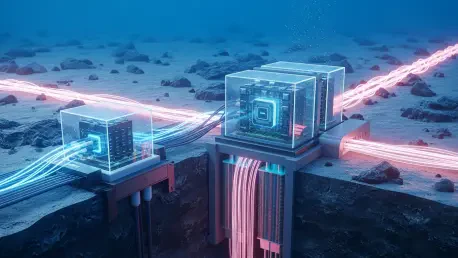

The prospect of harvesting thermal energy from the deepest reaches of the ocean floor has transitioned from a theoretical concept into a high-stakes engineering reality as modern startups seek to bypass the limitations of terrestrial power generation. Endurance Energy, a venture-backed firm led by former SpaceX engineer Andrew Redd, recently finalized a fifty-four million dollar Series A funding round specifically designed to unlock the geothermal potential of subsea tectonic zones. By shifting focus away from traditional land-based volcanic regions, which are geographically scarce and often difficult to permit, this initiative aims to tap into the massive heat reservoirs situated beneath the seabed. The engineering philosophy behind this move leans heavily on aerospace principles, utilizing autonomous hardware capable of withstanding the immense pressures and corrosive environments of the deep sea. This pivot toward the ocean floor represents a fundamental change in how the industry views renewable energy.
Meeting the Growing Demand for Reliable Energy
The Infrastructure Challenge: Meeting the Power Needs of AI
The global push for ocean-based geothermal energy is intensifying as the demand for consistent, around-the-clock baseload power reaches unprecedented levels due to the expansion of artificial intelligence infrastructure. Unlike intermittent sources such as wind and solar, which require expensive battery storage to maintain stability, geothermal systems provide a steady stream of electricity that remains unaffected by weather patterns or diurnal cycles. Major technology corporations like Microsoft and Google have already begun integrating geothermal power into their long-term sustainability frameworks to support the massive energy requirements of their global data center networks. These digital infrastructures operate continuously, necessitating a power source that can match their uptime requirements without increasing carbon footprints. The transition to subsea extraction offers a scalable solution that could theoretically provide gigawatts of clean energy, ensuring that computing growth is sustainable.
Engineering Resilience: Applying Aerospace Concepts to the Sea
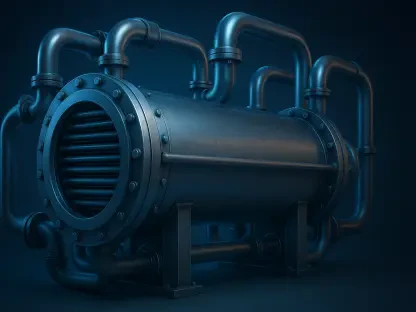
Drawing on extensive expertise from the aerospace industry, the development of subsea geothermal hardware requires a radical rethink of traditional maritime engineering to ensure long-term operational success. The engineering team at Endurance Energy is focused on creating autonomous systems that can survive the highly corrosive nature of saltwater while functioning under the crushing weight of several thousand meters of ocean. This involves the use of specialized alloys and thermal management techniques originally designed for spacecraft, which are now being adapted to harness the intense heat emitted by seafloor vents. By utilizing robotic deployment and remote monitoring, the company aims to minimize the need for human intervention in hazardous underwater environments. The goal is to adapt existing offshore drilling techniques to handle extreme temperatures, ensuring that energy can be efficiently transferred from the seafloor to the onshore power grid. This high-tech approach allows for precision placement of extraction tools in deep water.
Resource Accessibility: Comparing Subsea and Land-Based Systems
While land-based competitors like Fervo Energy have made significant progress with enhanced geothermal systems, the move to offshore operations opens access to tectonic boundaries that are completely unreachable from the mainland. The Pacific Ring of Fire and other mid-ocean ridges offer a density of thermal energy that vastly exceeds what is available in traditional volcanic sites on land. Although the logistics of subsea transmission and seafloor surveying present significant hurdles, the potential rewards for energy production are substantially greater. By positioning extraction facilities directly over high-heat vents, the company believes it can unlock resources that significantly outperform current renewable installations. This strategy not only bypasses the political and environmental challenges often associated with terrestrial land use but also taps into a reservoir of heat that is effectively inexhaustible. As the technology matures, it could pave the way for a global network of subsea power plants that utilize the planet’s heat.
Global Scaling and Strategic Implementation
Innovative Urban Planning: The Rise of Energy Islands
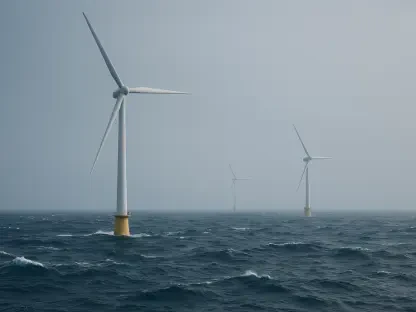
The geographic potential for subsea geothermal is particularly promising for island nations and coastal regions that lack the physical space for large-scale solar or wind farms. This technology aligns with emerging concepts like energy islands, where artificial or natural maritime platforms serve as central hubs for power generation and industrial activity. By placing computing infrastructure on the ocean floor, companies can use the surrounding seawater for natural cooling while drawing electricity directly from nearby geothermal vents, creating a highly efficient and self-sufficient energy ecosystem. This integration eliminates the inefficiencies of long-distance energy transmission and provides a stable environment for sensitive hardware. Furthermore, these subsea hubs could support other maritime industries, such as green hydrogen production or desalination, by providing the massive amounts of clean energy required for those processes. This holistic approach to ocean-based infrastructure suggests a future where coastal cities are powered by the water.
Investment Dynamics: The Shift Toward Large-Scale Infrastructure
The substantial investment in seafloor geothermal reflects a broader shift in the venture capital landscape toward hard tech and large-scale infrastructure projects that offer transformative potential. While the capital requirements and regulatory hurdles of deep-sea drilling are significant, investors are increasingly willing to back high-impact solutions that can achieve meaningful global decarbonization. This trend indicates a growing recognition that the path to a sustainable future requires more than just software innovations; it demands a fundamental rebuilding of the world’s energy foundations. The success of early funding rounds for companies like Endurance Energy demonstrates that there is a robust appetite for ventures that combine high risk with the promise of gigawatt-scale, weather-independent power. As these technologies move from pilot programs to full-scale commercial operations, they are expected to attract even larger pools of institutional capital. This financial backing is crucial for overcoming the technical barriers associated with extreme environments.
Future Perspectives: Establishing a New Era of Seafloor Power
The successful transition to ocean-based geothermal extraction established a new paradigm for how energy companies approached the challenge of a carbon-free grid. As prototypes proved resilient against deep-sea conditions, the industry turned its attention to the necessary policy reforms required to scale these subsea networks globally. It was determined that standardized maritime permitting and international agreements on seafloor resource management were essential for avoiding conflict and ensuring environmental safety. Stakeholders in the energy sector recommended that further research focus on the long-term impact of thermal extraction on local marine ecosystems to maintain ecological balance. The integration of advanced robotics and aerospace materials into the maritime sector demonstrated that cross-industry collaboration was the primary driver of technical breakthroughs. Moving forward, the focus shifted to training a specialized workforce capable of maintaining subsea infrastructure, as the ocean floor became a central pillar of the global power grid.