
The quiet residential streets of Hudiksvall, Sweden, have become the unlikely testing ground for a revolutionary energy model that transforms electric vehicles from mere transportation tools into critical infrastructure components. Within the BRF Stenberg housing cooperative, a fleet of electric cars is currently performing a dual role by serving as mobile storage units that can feed electricity back into the domestic grid when demand surges. This localized approach marks a significant departure from traditional centralized power systems, placing the control of energy distribution directly into the hands of homeowners. By treating the vehicle battery as a dynamic participant in the household ecosystem, the pilot program effectively bridges the gap between the automotive and energy sectors. It illustrates a transition toward a more resilient and sustainable urban environment where every parked car acts as a potential stabilizer for the national power network during times of stress. This paradigm shift encourages a more active and conscious relationship with energy consumption.
Bridging the Gap: Mobility and Power Systems
The Dynamics: Bidirectional Energy Exchange
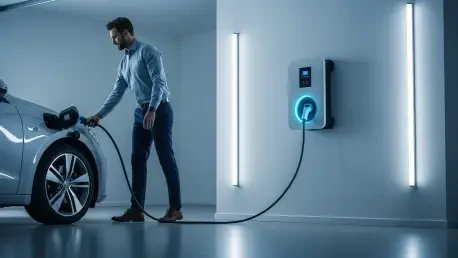
The fundamental innovation driving the success of the Hudiksvall initiative is Vehicle-to-Grid (V2G) technology, which enables a seamless two-way flow of electricity between the car and the home. Conventional charging setups operate as a one-way street, where the vehicle serves as a passive load that draws power from the grid to replenish its battery cells. In contrast, the bidirectional chargers installed at the BRF Stenberg cooperative utilize advanced power electronics to convert stored direct current back into alternating current for household use. Sophisticated software management plays a crucial role in this process by monitoring real-time utility rates and grid demand to determine the most efficient times for charging and discharging. This intelligent automation ensures that the vehicle is fully charged when the owner needs to drive, while also leveraging the battery’s capacity to support the local electrical network during peak hours when the strain is greatest.
Optimizing Demand: Smart Integration and Peak Shaving
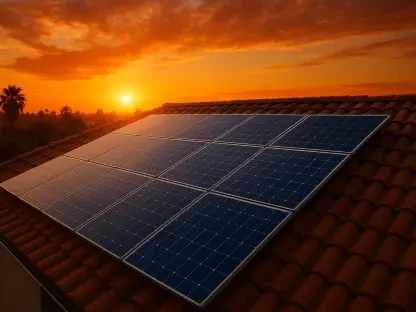
Integrating electric vehicles into the domestic power loop allows for a strategy known as peak shaving, which effectively flattens the curve of energy demand during the busiest times of the day. When the residents of the housing cooperative return home in the evening, the system can automatically draw power from the car batteries to run energy-intensive appliances like stoves, dishwashers, and climate control systems. By relying on stored energy rather than purchasing electricity from the grid during these high-priced intervals, the cooperative reduces its reliance on expensive and often carbon-heavy “peaker” power plants. Furthermore, this bidirectional capability complements other renewable installations, such as rooftop solar arrays, by providing a place to store excess solar energy generated during the day. This creates a closed-loop system where energy is harvested, stored, and utilized on-site, significantly reducing the waste associated with long-distance power transmission.
Economic Viability: Strengthening Community Resilience
Financial Benefits: Energy Independence and Cost Savings
The economic implications of the Swedish pilot are profound, as participants have witnessed a marked decrease in their monthly utility expenses without having to sacrifice their daily comfort or driving habits. By purchasing electricity during off-peak hours when rates are historically low and utilizing that same energy during expensive peak windows, homeowners are shielded from the volatility of the modern energy market. This financial incentive is a powerful driver for the adoption of green technology, proving that sustainability and profitability can go hand in hand. Beyond individual savings, the cooperative structure allows for a collective approach to energy management, where a shared fleet of vehicles provides a cushion for the entire community. This collaborative model fosters a sense of resilience, as the neighborhood becomes less vulnerable to grid outages or price spikes. The ability to maintain essential services during a blackout using car batteries provides a high level of security.
Technical Reliability: Evaluating Battery Health and Longevity
A recurring concern among potential adopters of V2G technology is the impact of constant charging and discharging cycles on the lifespan and performance of expensive electric vehicle batteries. However, researchers and engineers involved in the project have provided data suggesting that these fears are largely unfounded within the context of residential use. The rate of discharge required to power a typical home is significantly lower and more consistent than the high-intensity bursts of energy demanded during rapid highway acceleration or regenerative braking. This gentle usage pattern does not accelerate chemical degradation in the same way that extreme driving conditions or frequent fast-charging might. In fact, active battery management through V2G can improve overall cell health by preventing the battery from sitting at a state of 100% charge for extended periods, which is a known stressor for lithium-ion chemistry. This insight is crucial for building consumer confidence.
Strategic Pathways: Actionable Insights for Future Energy Grids
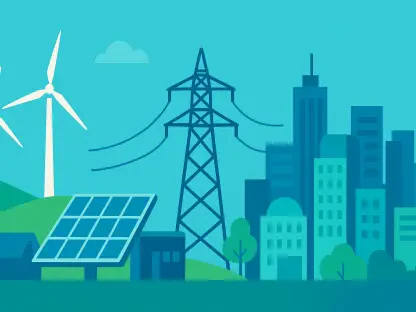
The pilot program in Sweden demonstrated that a decentralized energy model was not only technologically feasible but also economically advantageous for everyday citizens. Moving forward, the implementation of nationwide incentives for bidirectional hardware became a priority for governments seeking to enhance grid stability without investing in massive new power plants. Manufacturers that embraced open standards for energy exchange gained a competitive edge by offering consumers a vehicle that functioned as a revenue-generating asset rather than a depreciating expense. Integrating these mobile batteries into a broader smart-grid strategy required a shift in how utility providers interacted with their customers, moving toward a partnership based on mutual benefit. The success of the Hudiksvall residents provided a blueprint for other municipalities to follow, emphasizing that the transition to a carbon-neutral society relied on maximizing the utility of existing technology. These findings suggested that the future of energy resided in the garage.