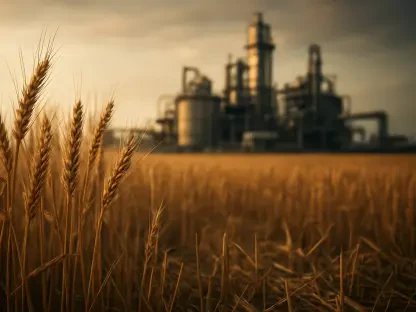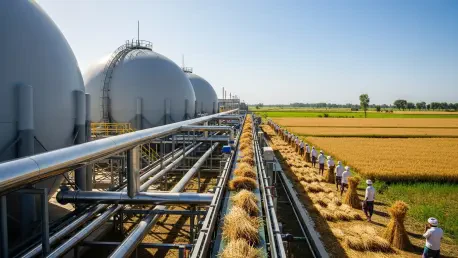

The agricultural landscape of Bihar is undergoing a profound structural shift as the state government accelerates its commitment to green energy through the approval of a massive compressed biogas plant in the West Champaran district. This project represents a strategic pivot toward utilizing the vast quantities of organic waste generated by the region’s robust farming sector, effectively turning a long-standing disposal challenge into a high-value energy asset. By establishing this facility, the administration aims to address the persistent issue of seasonal stubble burning while simultaneously providing a reliable source of clean fuel for industrial and domestic applications. The initiative underscores a broader national trend where rural economies are being repositioned as the primary engines of renewable energy production. This specific investment reflects a sophisticated understanding of how regional resources can be leveraged to meet carbon reduction targets while fostering growth that benefits small-scale farmers and industrial stakeholders alike.
Strategic Impact on Agricultural Sustainability
Mitigating Environmental Hazards through Biogas
The implementation of this large-scale biogas facility in West Champaran serves as a direct response to the ecological pressures caused by traditional agricultural practices, specifically the seasonal burning of crop residues. For years, the smoke from burning paddy straw has contributed to significant air quality degradation across northern India, creating a recurring public health crisis that demanded a technological intervention. This new plant utilizes anaerobic digestion to process thousands of tons of biomass, effectively capturing methane that would otherwise be released into the atmosphere during uncontrolled burning. By creating a commercial market for crop waste, the project incentivizes farmers to move away from destructive disposal methods in favor of a model that provides them with a new stream of revenue. This transition is not merely about energy production but involves a fundamental reimagining of the agricultural supply chain to prioritize sustainability and carbon sequestration at every stage of the process.
Promoting the Regional Circular Economy
Beyond the immediate reduction in air pollution, the West Champaran biogas project introduces a sophisticated circular economy model by producing high-quality fermented organic manure as a primary byproduct. This nutrient-rich digestate offers a sustainable alternative to synthetic chemical fertilizers, which have often led to soil degradation and groundwater contamination over decades of intensive farming. As the plant reaches its full operational capacity starting in 2026, the local agricultural community can gain access to this organic byproduct, allowing for the restoration of soil health and the promotion of regenerative farming techniques. This closed-loop system ensures that the nutrients extracted from the land are eventually returned to it, maintaining long-term productivity without the need for expensive and environmentally damaging imports. The synergy between energy generation and soil conservation highlights the multifaceted benefits of modern biogas technology, transforming what was once considered trash into a resource.
Industrial Policy and Energy Integration
Advancing Technical Infrastructure and Sovereign Energy
The technical specifications of the West Champaran facility reflect the latest advancements in compressed biogas technology, designed to produce fuel that meets the stringent standards required for automotive and industrial use. Unlike traditional raw biogas, the compressed version undergoes a rigorous purification process to remove carbon dioxide and hydrogen sulfide, resulting in a methane concentration of over ninety-five percent. This high purity level makes it a viable substitute for imported natural gas, directly contributing to energy sovereignty and reducing the national trade deficit associated with fuel imports. The plant is equipped with state-of-the-art monitoring systems that optimize the fermentation process, ensuring consistent gas yields even with varying types of feedstock. By integrating these advanced industrial processes into a rural setting, the project bridges the gap between traditional farming and high-tech manufacturing, creating specialized jobs and technical literacy.
Long-Term Roadmaps for Sustainable Development
The successful authorization of the West Champaran biogas plant demonstrated a clear roadmap for integrating rural agricultural output with modern industrial energy requirements. Stakeholders moved beyond traditional fossil fuel dependencies by prioritizing decentralized production models that utilized regional waste streams effectively. Moving forward, the focus shifted toward expanding the necessary pipeline infrastructure to transport compressed biogas from rural hubs to urban industrial centers, ensuring a steady supply chain. Financial institutions began offering specialized credit lines for farmers to organize collection cooperatives, which maximized the efficiency of raw material sourcing. This project served as a foundational template for other districts to replicate, proving that environmental stewardship and industrial profitability could coexist through calculated policy interventions. The integration of digital monitoring systems allowed for real-time tracking of methane yields, providing the data necessary for the future scaling of facilities.