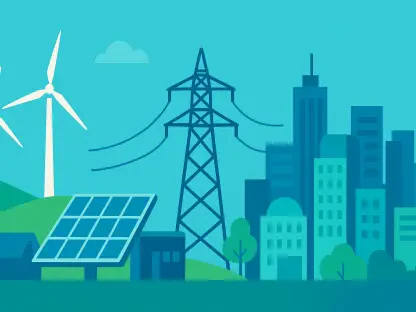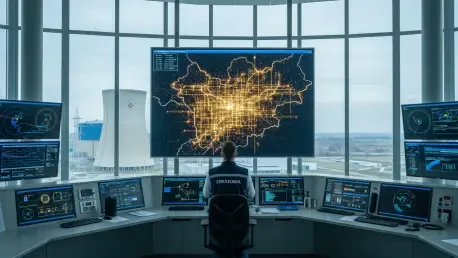

The initial gold rush for artificial intelligence chips has fundamentally transformed into a desperate search for the very electrons required to power the massive neural networks defining the modern digital economy. While the first phase of the AI expansion focused almost entirely on the logic gates of high-end semiconductors and the training of complex software models, the market has entered a more pragmatic chapter characterized by the hard physical limits of power generation and transmission. It is no longer sufficient to design a more efficient large language model; the most pressing concern for developers is whether the utility provider can deliver the gigawatts necessary to keep the lights on in a thousand-acre data center. This transition has turned electricity from a mundane background utility into the primary constraint on technological growth, creating a strategic bottleneck that dictates the pace of innovation. Market analysts now observe a structural shift in domestic power consumption, as commercial loads from hyperscale projects begin to outpace residential demand for the first time in decades. The AI trade has consequently shifted its focus toward companies that can prove they have the physical infrastructure, the fuel contracts, and the grid capacity to sustain this unprecedented expansion through 2027 and beyond. Companies are now evaluated on their ability to turn infrastructure potential into actual, operational capacity while navigating a grid that was never designed for this level of density.
Nuclear Power: Providing the Carbon-Free Baseload for Data Centers
Nuclear energy has surged back to the forefront of the global energy conversation because it offers the only viable solution for high-density, carbon-free baseload power that operates twenty-four hours a day. Data centers supporting generative AI require a constant and unwavering supply of electricity that renewable sources like wind and solar simply cannot provide without massive, expensive battery storage systems. This reliability has turned nuclear assets into some of the most valuable properties in the industrial sector, as hyperscalers seek to bypass the instability of the open market by securing dedicated power directly from nuclear reactors. Constellation Energy has emerged as a leader in this space, leveraging its massive fleet of reactors to meet the needs of tech giants who are willing to pay a premium for carbon-free reliability. These companies are currently focused on converting high-profile announcements into regulatory-approved contracts that can withstand public scrutiny. The ability to keep existing plants online longer and even restart dormant reactors has become a key part of the strategic roadmap for meeting the power demands of the current decade, ensuring that the digital revolution does not come at the cost of environmental goals.
Beyond the established nuclear giants, the sector is also seeing a resurgence in small modular reactor development and innovative fuel management strategies to maximize output. The next few years will be defined by how quickly these nuclear providers can clear the administrative hurdles required to expand their current footprint. Investors are no longer satisfied with speculative growth; they are looking for concrete evidence of operational excellence and long-term supply agreements. As the demand for AI training and inference continues to scale, the value of a steady, predictable power source becomes the ultimate competitive advantage. This shift has forced a re-evaluation of nuclear power not as a legacy technology, but as a critical component of the modern tech stack. For the utilities involved, the challenge lies in balancing the maintenance of aging infrastructure with the rapid deployment of new capacity. The success of this transition depends on a stable regulatory environment and the continued public support for nuclear power as a clean energy alternative. As we progress through 2026 and into 2027, the focus will remain on the execution of these power delivery contracts and the integration of nuclear assets into the core strategy of the world’s largest computing firms.
Merchant Generators: Navigating Volatility and Scarcity Pricing
Merchant power providers are operating in a unique market environment where they can capitalize on the extreme price fluctuations and energy scarcity caused by the rapid expansion of data centers. Unlike regulated utilities that operate under fixed rate structures, merchant generators like Vistra are positioned to profit from market-driven pricing, which often spikes when demand outpaces available supply. These companies have become essential players in the energy ecosystem by providing the flexibility needed to stabilize the grid during peak periods. Their ability to generate significant cash flow during times of high demand has made them attractive to investors who are looking for direct exposure to the energy side of the AI boom. However, this strategy is not without its risks, as these firms must constantly manage volatile fuel costs and the unpredictable nature of weather patterns that can impact both supply and demand. The merchant model relies on sophisticated trading and risk management teams that can navigate the complexities of the energy markets to ensure that power is delivered where it is needed most at a price that reflects its true value.
The current market dynamics have forced merchant generators to be more strategic about their asset portfolios, often investing in a mix of natural gas, battery storage, and even renewable assets to hedge against market shifts. As data centers continue to demand more power, these providers are finding themselves in a strong bargaining position, often negotiating long-term power purchase agreements that provide a level of stability previously unseen in the merchant sector. This shift toward long-term contracts helps to mitigate some of the inherent risks of the merchant model while still allowing for upside potential during periods of extreme scarcity. The challenge for these companies moving forward will be to maintain operational efficiency while expanding their capacity to meet the growing needs of the technology sector. The ability to rapidly deploy new generation assets, particularly flexible gas-fired plants, will be a critical factor in determining which merchant providers emerge as the winners in this new energy landscape. As the market for AI power matures, the distinction between traditional utilities and merchant generators is becoming increasingly blurred, with both groups vying for a share of the massive capital investments being poured into the electrical grid.
Industrial Infrastructure: Scaling the Grid and Hardware Supply
The modernization of the national electrical grid has sparked a massive wave of industrial activity, creating a lucrative market for the companies that provide the necessary equipment and services. GE Vernova is currently managing a record-breaking backlog of orders for gas turbines and grid stability equipment, highlighting the direct link between digital expansion and industrial manufacturing. Without a robust and modernized grid, the electricity generated by power plants cannot reach the data centers, effectively stalling the progress of artificial intelligence. This infrastructure requirement has turned industrial stocks into the “picks and shovels” of the AI era, where the value is found in the physical components that make the digital world possible. The success of these industrial giants depends on their ability to scale production and deliver high-margin products on schedule, even as global supply chains face ongoing pressures. As utility companies embark on multi-billion dollar capital expenditure programs to upgrade their transmission lines and substations, the demand for specialized hardware continues to reach new heights.
On the front lines of this physical expansion, companies like Quanta Services are responsible for the actual construction and maintenance of the transmission networks that connect the power source to the end user. The scale of the work required to upgrade the grid for AI-level density is unprecedented, leading to record levels in order books and a high demand for skilled labor. However, the market has already factored in much of this growth, leaving these construction firms with little room for error when it comes to project management and cost control. Delays in permitting or shortages in specialized materials could quickly turn a profitable backlog into a financial liability. Furthermore, the internal power distribution within data centers has become just as critical as the external grid. Eaton is leading the way in providing the sophisticated switchgear and power management systems that ensure electricity is distributed safely and efficiently within a facility. Their double-digit growth serves as a leading indicator that the physical infrastructure for AI is being built out at a rapid pace, transforming data centers from simple server rooms into complex industrial power hubs.
Thermal Management: Engineering Solutions for Liquid Cooling
As artificial intelligence chips become more powerful and densely packed, the heat they generate has become a significant technical obstacle that traditional air-cooling systems are no longer equipped to handle. This has led to the rapid adoption of liquid cooling technologies, turning thermal management into a high-stakes sector of the AI supply chain. Vertiv has established itself as a dominant force in this niche, providing the specialized cooling infrastructure that allows high-performance computing clusters to operate without overheating. The move toward liquid cooling represents a fundamental shift in data center design, requiring new types of plumbing, heat exchangers, and coolant distribution units. Investors have placed a high premium on these specialized technologies, recognizing that the next generation of AI hardware simply cannot function without them. The challenge for these cooling providers is to keep pace with the rapid evolution of chip architecture, which requires constant innovation in thermal engineering to stay ahead of the curve.
The environmental footprint of these massive cooling systems has also brought water management into the spotlight, as large-scale data centers can consume millions of gallons of water per day for evaporative cooling. This demand has created opportunities for water technology companies like Xylem, which provides the treatment and reuse systems necessary to make these facilities more sustainable. While water management might seem like an indirect part of the AI story, it is a critical constraint in regions where water scarcity is a growing concern. Local regulators are increasingly looking at the water usage of proposed data center projects, making efficient cooling and water recycling a requirement for obtaining building permits. This convergence of thermal management and water conservation highlights the complex interdependencies of the AI infrastructure puzzle. Companies that can provide integrated solutions for both power and cooling while minimizing environmental impact are likely to see the most sustained growth. The ability to manage the physical side effects of computing—heat and water consumption—is now just as important as the computing power itself.
Regulatory Landscapes: Balancing Industrial Growth with Ratepayer Protections
Traditional regulated utilities are currently navigating a complex political and regulatory landscape as they attempt to meet the massive energy demands of the technology sector without alienating their residential customer base. Companies like NextEra Energy and American Electric Power are at the center of a debate over who should pay for the massive grid upgrades required to support hyperscale data centers. Regulators are under pressure to ensure that the costs of building new transmission lines and power plants are not unfairly shifted onto regular households, which could lead to a public backlash against AI projects. This tension has forced utilities to develop more creative funding models and to engage in proactive communication with local communities and governing bodies. The ability to secure favorable regulatory outcomes is now a primary driver of stock performance for these utilities, as it determines their capacity to invest in the long-term infrastructure projects necessary for growth. Navigating these local politics while maintaining a reliable and affordable service is a delicate balancing act that will define the utility sector for the foreseeable future.
The regulatory challenge is further complicated by the need to integrate more renewable energy into the grid while simultaneously providing the high-density baseload power that AI requires. Utilities must manage the transition away from fossil fuels while ensuring that the grid remains stable enough to handle the massive, constant loads of modern data centers. This has led to a renewed interest in natural gas as a bridge fuel and a significant investment in grid-scale battery storage to manage the intermittency of wind and solar. As we move deeper into 2026, the success of these utilities will depend on their ability to execute their long-term capital plans while maintaining high standards of reliability and affordability. The focus is shifting toward the “conversion” of these long-term plans into operational reality, where signed contracts and completed projects provide the evidence needed to satisfy both investors and regulators. Any significant delays in the regulatory approval process or in the construction of new capacity could create a localized energy crisis, further highlighting the strategic importance of the power sector in the age of artificial intelligence.
Strategic Execution: Transforming Infrastructure Potential into Realized Value
The transition from a speculative AI boom to a mature industrial supercycle required a disciplined approach to capital allocation and a relentless focus on operational execution. The industry recognized that power was the primary bottleneck for digital growth, leading to a period of unprecedented investment in the physical foundations of the internet. Successful organizations moved beyond the hype of high-end software and prioritized the acquisition of tangible assets, from nuclear baseload capacity to advanced liquid cooling systems. This strategic pivot ensured that the rapid advancement of neural networks was matched by the necessary growth in electrical generation and transmission. By securing long-term power purchase agreements and investing in grid-modernization hardware, the leading players in the sector created a resilient ecosystem that could withstand the demands of the most power-hungry computing clusters. This era also saw a deeper collaboration between tech firms and industrial providers, as both groups realized that their success was inextricably linked to the stability and capacity of the shared energy infrastructure.
As the market matured, the focus shifted toward the actual delivery of megawatts and the efficient management of the thermal and environmental side effects of computing. The companies that thrived were those that managed to navigate the complex regulatory environment by balancing the needs of industrial clients with the interests of the general public. This period highlighted the importance of treating energy not just as a commodity, but as a strategic asset that required careful planning and proactive management. The industry successfully avoided a total infrastructure crisis by diversifying energy sources and adopting modular, scalable grid technologies that could be deployed more rapidly than traditional systems. Looking back, the convergence of the digital and physical worlds forced a fundamental re-evaluation of how innovation was measured, with energy efficiency and infrastructure capacity becoming the new benchmarks of progress. The strategic decisions made during this time solidified the role of the power sector as the essential backbone of the intelligence era, ensuring that the promise of AI could be realized through a robust and reliable supply of electricity.