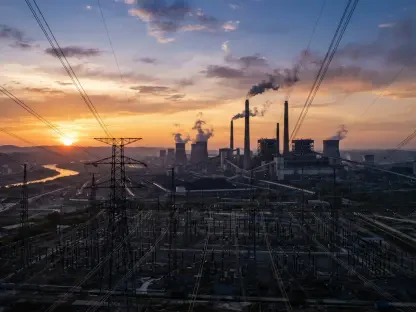

The Growing Shadow of Geopolitical Risk over Global Energy The global energy landscape is currently trembling under the weight of naval maneuvers and escalating geopolitical friction that has pushed Brent crude past the $102 mark. This surge reflects a market bracing for potential confrontation in

Christopher Hailstone is a distinguished authority on energy management and the intricate mechanics of global electricity delivery. With an extensive background in utility security and grid reliability, he has spent years advising on the resilience of national infrastructure against both physical

The volatility of the current environment suggests that WTI Crude Oil is currently functioning more as a speculative wager than a predictable investment for institutional portfolios. As the market navigates through late September 2026, West Texas Intermediate has transitioned from testing the
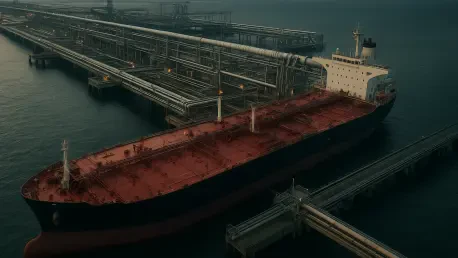
A dramatic seventeen percent increase in daily crude oil receipts pushed Nigeria's domestic refining capacity to 683,000 barrels per day during August 2026. This significant industrial milestone indicates a profound shift in how the nation manages its natural resources, moving away from a

Installing a new gas heater today in the hope of using biomethane in the future is essentially a high-stakes bet on infrastructure that may never reach specific neighborhoods. As the push for a decarbonized economy in Australia reaches a fever pitch, households find themselves at the center of a

Global security analysts warn that relaxing nonproliferation standards for preferred partners might encourage other Middle Eastern nations to seek similar nuclear concessions. This warning comes at a critical juncture in 2026, as the United States navigates the complexities of a landmark nuclear