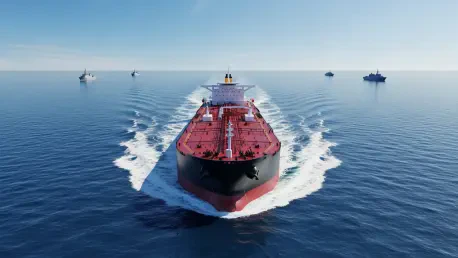

Global energy markets have experienced a profound seismic shift as recent military escalations between the United States and Iran create immediate uncertainty across the Middle East. The sudden increase in geopolitical friction has sent crude oil prices soaring, with Brent and West Texas Intermediate benchmarks reaching levels not seen since the height of previous energy crises. Analysts are closely monitoring the situation as naval assets converge in the Gulf, where a significant portion of the world’s daily petroleum supply transitions through narrow maritime corridors. The immediate reaction of the markets reflects a deep-seated anxiety regarding the potential for a sustained closure of key transit routes, which would disrupt global manufacturing and cause a cascading effect on international trade. Investors have already begun pricing in a significant risk premium, leading to a sharp decline in stock market stability while safe-haven assets such as gold and treasury bonds see increased demand from those looking to mitigate potential losses.
Geopolitical Friction: The Threat to Maritime Trade
Naval Blockades: Security of the Strait of Hormuz
The geographical focus of current concerns remains centered on the Strait of Hormuz, a critical waterway where any sustained military presence threatens to halt the movement of approximately twenty million barrels of oil per day. Given that this passage serves as the primary exit for exports from several major producing nations, the threat of naval skirmishes or the deployment of sea mines creates a logistical nightmare for global shipping firms. Military analysts have observed an increase in the deployment of advanced surveillance drones and coastal defense batteries, which further heightens the risk of accidental engagement between opposing naval forces. The potential for a total blockade remains a worst-case scenario that would likely drive prices toward unprecedented heights, effectively stifling economic growth in energy-dependent regions across Europe and Asia. Consequently, major maritime organizations have issued warnings to tanker captains, advising extreme caution and suggesting the use of alternative routes where feasible, despite the higher costs.
Logistics and Risk: The Cost of Maritime Insurance
In addition to the physical threat of military engagement, the economic landscape is being reshaped by the rapid escalation of insurance premiums for commercial vessels operating within the conflict zone. Marine insurers have reclassified the region as a high-risk area, leading to a surge in war-risk surcharges that add millions of dollars to the cost of a single voyage. These costs are inevitably passed down to the consumer, contributing to a spike in the prices of gasoline, heating oil, and petrochemical derivatives used in widespread industrial processes. Furthermore, the volatility has triggered a massive response from high-frequency trading algorithms, which amplify price movements based on real-time news alerts and satellite imagery of naval movements. This digital reaction often outpaces the physical reality of supply disruptions, creating a feedback loop that sustains high prices even when immediate supply remains available. The intersection of traditional maritime risk and modern financial technology has created a market environment where uncertainty is constant.
Economic Realignment: Global Responses to Supply Shocks
Strategic Interventions: Utilizing National Energy Reserves
Governments across the globe have responded to these rising costs by coordinating the release of strategic petroleum reserves to inject liquidity and stabilize the international market. The United States and its partners within the International Energy Agency have initiated a series of synchronized drawdowns, aimed at cooling the rapid price appreciation and providing a temporary buffer for domestic consumers. While these measures offer short-term relief, they also highlight the underlying vulnerability of the global energy architecture to localized regional conflicts. In response, energy firms are accelerating their investments in alternative extraction technologies and domestic production sites that are geographically isolated from Middle Eastern tensions. This includes the deployment of more efficient hydraulic fracturing techniques and the expansion of oil sands operations in North America, which serve to increase local supply and decrease reliance on sensitive trade routes. The shift toward energy independence has become a matter of national security, prompting new legislation for infrastructure.
Tactical Decisions: Advancing Energy Sovereignty
Industrial leaders prioritized the diversification of supply chains and accelerated the integration of decentralized energy grids to mitigate the risks observed during the height of the conflict. Stakeholders determined that the most effective response involved a transition toward modular nuclear power and long-duration battery storage to decouple domestic manufacturing from the volatility of foreign crude markets. Policy makers finalized frameworks that encouraged private investment in localized energy production, which ultimately reduced the systemic vulnerability of the national grid. By prioritizing these structural changes, the industry established a more resilient foundation that remained shielded from subsequent geopolitical flare-ups in the Middle East. These initiatives proved essential in stabilizing long-term economic forecasts and ensuring that energy security became a permanent fixture of national policy. Furthermore, the development of synthetic fuels and advanced hydrogen production offered a pathway toward a diversified energy portfolio that functioned independently.