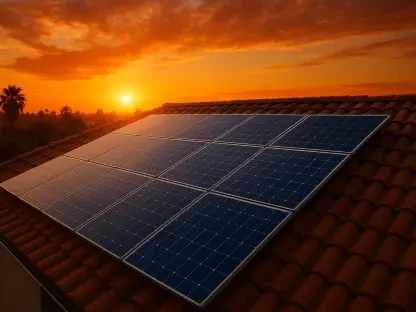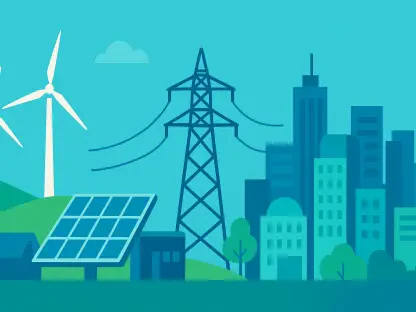

The rapid adoption of rooftop solar systems across the Cayman Islands has created a profound rift between the primary utility provider and residents seeking to mitigate rising electricity costs through renewable energy. This technological shift, while theoretically aligned with national sustainability goals, has triggered a series of enforcement actions by the Caribbean Utilities Company that many homeowners find both surprising and punitive. At the core of this dispute are residential battery storage systems that the utility has flagged as non-compliant, leading to official warnings of potential fines and even total disconnection from the electrical grid. For many citizens, the move feels like a direct assault on their attempts to achieve energy independence and lower their monthly utility bills. The situation is further complicated by the fact that many of these installations had previously received authorization from planning departments, creating a landscape where legal permission from the state does not guarantee utility acceptance.
The Homeowners’ Perspective and Regulatory Oversight
Protecting Consumer Autonomy in a Changing Market
A grassroots petition recently submitted to the Cayman Islands Government highlights the growing dissatisfaction among local homeowners and solar installation firms regarding these restrictive measures. The petition argues that the utility’s current stance effectively discourages the very behavior—transitioning to green energy—that the government has publicly promoted as a key solution to long-term energy security. This contradiction is particularly frustrating for residents who have invested thousands of dollars in high-tech equipment under the impression that they were contributing to a cleaner future for the islands. Critics suggest that the utility’s primary motivation may be the preservation of its long-standing market monopoly rather than genuine technical concerns, as decentralized solar power inherently reduces the volume of electricity sold through the traditional grid. Consequently, the push for consumer choice has become a central theme in the public debate over how much control a private utility should exert.
Examining the Role of Independent Oversight Bodies
In light of the escalating tension, the independent regulator, OfReg, has been tasked with investigating whether the utility’s enforcement actions are consistent with its licensed authority and the existing legal framework. The regulator is currently scrutinizing the language used in utility correspondence to determine if the company is overstepping its bounds by unilaterally defining what constitutes a legal offense in the context of electrical installations. This oversight is vital for ensuring that safety standards are applied fairly and are not used as a pretext for stifling competition or penalizing residents who choose to generate their own power. By mediating this dispute, OfReg aims to establish a clear set of guidelines that protect the interests of both the utility and the public, preventing any single entity from monopolizing the island’s energy transition. The outcome of this review will likely define the parameters for how private energy generation is managed and integrated into the national infrastructure.
Grid Security and the Economics of Shared Infrastructure
Prioritizing Safety and Technical Interoperability
From the perspective of the Caribbean Utilities Company, the enforcement of strict technical standards is an essential component of maintaining a safe and reliable electrical grid for all residents. The company maintains that unauthorized or improperly configured solar and battery systems can lead to back-feeding, a dangerous phenomenon where electricity flows from a home into the grid during an outage. This creates a lethal hazard for utility technicians who may be working on lines they believe are de-energized, making rigorous inspections a non-negotiable requirement for grid connection. Furthermore, the utility argues that the rapid influx of decentralized power sources requires a high level of synchronization to avoid destabilizing the voltage and frequency of the island’s power system. While these technical arguments are grounded in safety protocols, the challenge remains to find a verification process that ensures grid integrity without imposing prohibitive costs or unnecessary delays on homeowners.
Sustaining Financial Equity within the Energy Grid
Beyond the technical safety concerns, the economic implications of a decentralized energy market present a significant challenge to the traditional utility business model and the fair distribution of grid costs. Caribbean Utilities Company has pointed out that solar-equipped households often continue to rely on the grid as a primary backup or for nighttime usage, yet they may contribute significantly less to the maintenance of the shared infrastructure. This scenario raises concerns about cost-shifting, where the financial burden of operating and maintaining the electrical network is increasingly placed on lower-income residents who lack the capital to install private solar arrays. To address this imbalance, utility leaders argue for a modernized rate structure that accounts for the value of the grid as a service provider rather than just a commodity seller. Balancing the economic viability of the utility with the rights of individuals to generate their own power is essential for ensuring that the energy transition remains socially equitable.
Strategic Pathways for National Energy Resilience
Implementing Unified Certification and Safety Protocols
The eventual resolution of the energy standoff in the Cayman Islands required a comprehensive re-evaluation of how decentralized resources are integrated into the national strategy. Stakeholders moved toward a model that prioritized transparent communication and standardized certification for all renewable hardware. By implementing clear, third-party inspection protocols, the islands successfully reduced the friction between utility safety requirements and the growth of residential solar adoption. Policy reforms also introduced dynamic pricing models that ensured the continued maintenance of the grid while incentivizing private investment in battery storage and smart management systems. These steps fostered a more collaborative environment where the utility acted as a facilitator of green energy rather than a barrier. By learning from these tensions, the territory established a blueprint for energy resilience that balanced the necessity of a centralized grid with the undeniable benefits of a decentralized power future.
Establishing Long-Term Frameworks for Grid Stability
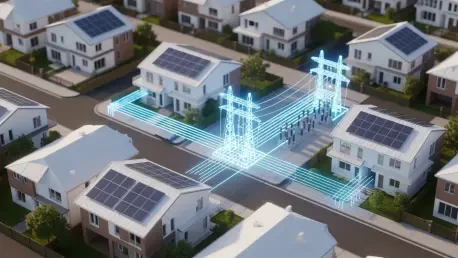
Future considerations for the island’s energy sector now focus on the implementation of microgrids and virtual power plants to further stabilize the distribution network. These advanced technological solutions allowed for the aggregation of multiple small-scale solar installations into a single, manageable resource that the utility could leverage during periods of high demand. Decision-makers also prioritized the education of homeowners regarding the technical requirements of high-capacity battery systems, ensuring that future installations are designed with grid compatibility in mind from the outset. This proactive approach shifted the narrative from one of conflict to one of shared responsibility for the island’s energy security. As energy prices continue to fluctuate globally, the ability of small island nations to integrate local, renewable sources will remain a critical factor in their economic stability. The lessons learned during this regulatory clash provided a framework for other jurisdictions facing similar transitions.