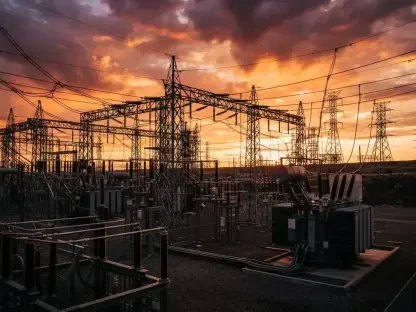

Strengthening the Grid Through Renewable Integration
Malaysia’s strategic decision to implement a nationwide B15 biodiesel mandate represents a sophisticated attempt to decouple the national economy from the volatile price fluctuations of global crude oil markets. This move provides a robust buffer against Middle Eastern geopolitical instability. Starting this June, the country is leveraging local resources to insulate its logistics sector from external shocks while driving domestic growth. This initiative is a calculated strategic move designed to secure long-term energy independence through renewable integration.
The Evolution of Malaysia’s Biofuel Mandates
This transition followed a phased approach using B10 and B12 mandates, which allowed the supply chain to mature without systemic disruption. Historical scaling refined the technical expertise of the palm oil sector, which serves as the nation’s economic backbone. Regional trends show neighbors prioritizing biofuels to minimize reliance on costly fossil fuel imports. These developments paved the way for the ambitious roadmap that aims for B20 and B50 targets in the coming years.
Navigating the Socioeconomic and Technical Landscape
Stimulating the Domestic Economy: Smallholder Stability
The rollout increases internal palm oil consumption by over 300,000 metric tonnes annually, stabilizing local prices. This shift offers a financial safety net for small-scale farmers who are often vulnerable to international trade volatility. Malaysia’s massive production capacity ensures it satisfies these new mandates while remaining a major global exporter.
Regional Benchmarking: The Geopolitical Imperative
Malaysia’s policy aligns with the implementation of B40 in Indonesia, highlighting a regional consensus on energy sovereignty. Diversifying the fuel mix with palm oil reduces risks associated with volatile shipping lanes. This strategy functions as a practical hedge against inflation, keeping the energy grid operational during international conflicts.
Addressing the Barriers: Infrastructure and Technical Adoption
Upgrading infrastructure requires an RM 643 million investment to ensure facilities manage higher concentrations. Technical concerns regarding engine compatibility in older vehicles persist, requiring communication to build consumer confidence. Addressing these hurdles is vital for ensuring the transition does not burden industrial fleet operators.
The Path Toward B20 and Net-Zero Goals
Roadmaps indicate a progression toward B20 and B50 by 2028, supporting the national net-zero goal for 2050. Technological innovations in engine design will likely make these higher blends more efficient for heavy-duty machinery. Malaysia is positioning itself as a leader in biofuel integration, demonstrating how resource-rich countries move away from fossil fuel dependency.
Strategies for Industry Stakeholders and Policy Success
For energy businesses, adapting to the B15 mandate involves auditing vehicle fleets and investing in sustainable production. Investors find opportunities in infrastructure and blending station modernization where government support is concentrated. Stakeholders who advocate for clear policies will be best positioned to capitalize on these economic incentives.
Securing a Sustainable Energy Future
The rollout of B15 biodiesel marked a definitive moment in the pursuit of national energy sovereignty. By linking agricultural strengths with energy requirements, the nation established a sustainable loop that protected the economy. The long-term benefits of reduced import dependency outweighed the initial financial and technical challenges. This transition effectively reinforced the role of domestic resources as the most reliable foundation for a secure and resilient future.