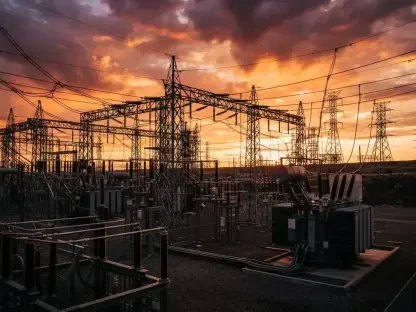

The landscape of the American power sector is currently undergoing a profound transformation as two of the most significant utility giants prepare to merge their vast resources into a single formidable entity. This definitive move involves NextEra Energy acquiring Dominion Energy in an all-stock transaction that promises to redefine the scale of regulated electric services. If the proposal receives the necessary legal approvals, the combined organization will emerge as the largest regulated electric utility business in the world by market capitalization. This merger serves as a proactive response to the shifting demands of a modern economy that increasingly relies on massive electrical infrastructure and sustainable power generation.
The objective of this exploration is to address the most pressing questions surrounding this landmark merger, from its financial architecture to its long-term impact on the regional grid. Readers can expect to learn about the strategic motivations driving this consolidation, the specific role of the burgeoning data center industry, and the regulatory environment that will govern the final outcome. By examining the deal through a multifaceted lens, the scope of this discussion encompasses both the corporate benefits and the potential challenges facing everyday consumers across the four-state footprint.
Key Questions
Financial Architecture: What Are the Terms and Ownership Structure?
The financial foundation of this merger is built upon a strategic all-stock swap designed to align the interests of both shareholder groups for long-term growth. Under the terms of the formal agreement, Dominion Energy shareholders are set to receive 0.8138 shares of NextEra Energy for every share of Dominion they currently hold in their portfolios. This exchange ratio reflects a valuation that recognizes the significant rate base and future earnings potential of both companies as they join forces to tackle the energy demands of the coming decades.
Upon the successful completion of the transaction, NextEra Energy shareholders will hold a dominant 74.5% ownership stake in the combined entity, while Dominion shareholders will retain the remaining 25.5%. This ownership structure ensures that the operational expertise and massive capital resources of NextEra will lead the new organization. The companies anticipate that their combined $138 billion rate base will experience an annual growth rate of approximately 11% through 2032, providing a stable financial trajectory in a market often characterized by economic volatility.
The Data Center Boom: Why Is This Expansion Pivotal to the Merger?
A primary catalyst for this massive consolidation is the unprecedented surge in electricity demand stemming from the expansion of artificial intelligence and digital infrastructure. Dominion Energy currently operates in the heart of Northern Virginia, a region widely recognized as the densest concentration of data centers on the planet. This geographic advantage provides the merging companies with a direct link to the technological core of the digital age, where the need for reliable and massive power loads is expanding at a rate that traditional utility models often struggle to match.
The combined pipeline for large-load capacity is truly staggering, with Dominion already holding 51 gigawatts of contracted data center demand. When integrated with the generation assets and development platform of NextEra, the total large-load pipeline exceeds 130 gigawatts. This massive scale allows the new entity to offer comprehensive, end-to-end grid solutions that include a mix of natural gas, renewable energy, and advanced battery storage. Consequently, the merger is positioned to solve critical resource adequacy issues within the Mid-Atlantic market while supporting the rapid growth of the global tech sector.
Strategic Rebalancing: How Will Regulated Assets Affect Future Growth?
NextEra Energy has long been a leader in the renewable energy space, but this acquisition represents a significant shift toward a more balanced and predictable business model. While the company has seen rapid growth in its unregulated segments, the addition of Dominion’s extensive regulated utility assets provides a sturdy foundation for earnings stability. This rebalancing is particularly attractive in the current economic climate, as regulated utilities offer a level of transparency and revenue certainty that helps mitigate the risks associated with market-driven energy prices.
By leaning into the integrated utility model, the combined company can leverage its enhanced scale to improve procurement efficiencies and construction timelines. The massive generation development platform created by this union will allow the organization to deploy capital more effectively across a larger geographic area. This approach not only strengthens the company’s balance sheet but also positions it as a global leader in energy infrastructure, capable of financing the multi-billion-dollar projects required for the clean energy transition.
The Regulatory Path: What Hurdles Must the Companies Navigate?
Even with strong corporate backing, the path toward finalizing this merger involves an arduous and complex approval process spanning multiple jurisdictions. The transaction requires formal clearance from five distinct regulatory bodies, including the Federal Energy Regulatory Commission and the Nuclear Regulatory Commission. Additionally, state-level commissions in Virginia, North Carolina, and South Carolina must conduct thorough reviews to ensure the consolidation serves the public interest and does not unfairly disadvantage local customers.
To facilitate this process and gain the favor of public officials, the companies have proposed a substantial package of bill credits totaling $2.25 billion for customers in the affected regions. Executive leadership has emphasized that the merger will not disrupt local community engagement or essential grid operations. They argue that the sheer scale of the new company will provide better access to the low-cost capital needed for infrastructure modernization, which should eventually put downward pressure on customer rates. However, the timeline for these reviews is expected to last between 12 and 18 months.
Public Advocacy: What Concerns Have Been Raised Regarding Ratepayer Impact?
Despite the promises of efficiency and growth, the proposed merger has encountered significant skepticism from consumer advocacy groups and public interest organizations. Critics point to past controversies in other states, expressing concern that a massive consolidation of power could lead to a lack of transparency and reduced accountability for local officials. The primary worry among these advocates is whether the benefits of the merger’s scale will actually reach the average household or if the increased market power will instead lead to higher monthly bills.
Organizations like Clean Virginia have called for rigorous oversight to prevent the influence of dark money in the political process and to protect the state’s grid from external control. There is a persistent fear that shifting control of local energy infrastructure to a large, multi-state corporation could diminish the responsiveness of the utility to community-specific needs. As the regulatory proceedings move forward, these advocacy groups intend to scrutinize every aspect of the deal to ensure that shareholder value does not come at the expense of the public’s welfare and economic stability.
Summary
The proposed acquisition of Dominion Energy by NextEra Energy represents a landmark event that signals a return to the integrated utility model on a global scale. By combining a $138 billion rate base with a massive pipeline for data center growth, the merger addresses the dual challenges of technological expansion and infrastructure modernization. The deal is structured as an all-stock transaction that gives NextEra a dominant role while providing Dominion shareholders with a stake in a much larger, more diversified energy leader. This consolidation aims to create a more resilient grid capable of meeting the heavy electrical loads required by artificial intelligence and other emerging technologies.
Key insights from the merger indicate that the path forward will involve significant regulatory scrutiny across several states and federal agencies. While the companies emphasize the potential for cost savings and improved capital access, they must also navigate the valid concerns of customer advocates who fear the loss of local control and the potential for rate increases. The outcome of this process will likely set a new standard for the energy industry, demonstrating how massive scale can be used to manage the complex transition toward a cleaner and more digitally integrated power grid.
Conclusion
The union between these two corporations symbolized a significant shift in how the utility industry viewed its role within the broader digital economy. As the demand for electricity reached new heights, the necessity for a unified and robust infrastructure became more apparent to both investors and policymakers. This merger demonstrated that traditional utility structures were evolving to meet the needs of a world that required constant, high-capacity power for innovation. The strategic focus on regulated assets provided a template for how other firms might seek stability in an era of rapid technological change.
Moving forward, the success of this landmark agreement depended on the ability of the new leadership to balance corporate growth with the diverse needs of the communities they served. Stakeholders needed to remain vigilant, ensuring that the promises of efficiency and bill credits translated into tangible benefits for every household and business. This merger served as a reminder that the energy sector was not just a collection of assets but a vital service that underpinned the entire modern lifestyle. As the industry continued to consolidate, the lessons learned from this transition offered a roadmap for navigating the complexities of the 21st-century power landscape.