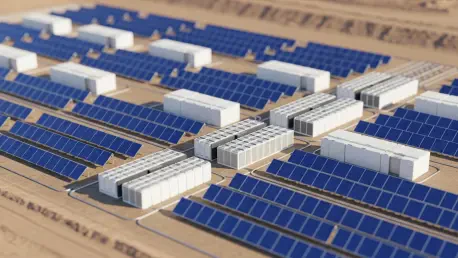

The rapid transformation of massive industrial mining hubs from their traditional fossil fuel dependence to full renewable autonomy represents a fundamental paradigm shift in how heavy industry operates across the globe today. As iron ore operations in the Australian Pilbara region face increasing pressure to decarbonize, the integration of large-scale solar arrays and sophisticated battery energy storage systems has moved from a conceptual goal to an immediate operational necessity. Fortescue has positioned itself at the forefront of this movement by launching an ambitious expansion of its renewable infrastructure designed to power its iron ore mines with clean energy. This strategic pivot involves the deployment of significant solar capacity paired with massive battery reserves to ensure consistent power delivery even during periods of low sunlight. By moving away from natural gas and diesel, the organization seeks to insulate its operations from volatile fuel markets while reducing its total greenhouse gas emissions significantly.
Pilbara Infrastructure
Solar Implementation
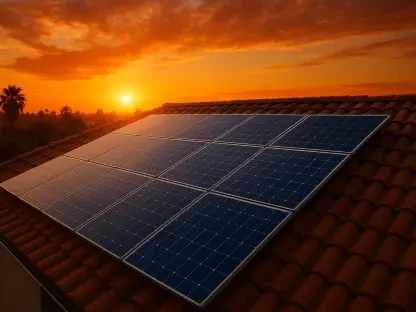
The centerpiece of this expansion involves the installation of hundreds of thousands of high-efficiency bifacial solar panels across the rugged terrain of Western Australia to capture the region’s intense irradiance. These advanced photovoltaic modules are designed to collect sunlight on both sides, significantly increasing energy yield compared to traditional single-sided panels, especially in the reflective desert environment. The scale of the deployment is substantial, aiming to provide a reliable source of baseload-style power during daylight hours for the North Star magnetite project. Engineers have prioritized modular construction techniques to accelerate the rollout, ensuring that the solar farms can be integrated into the existing grid infrastructure with minimal disruption to ongoing mining activities. This effort is not merely about adding capacity; it is about creating a resilient energy network that can withstand the harsh outback conditions while maintaining peak performance.
Battery Integration
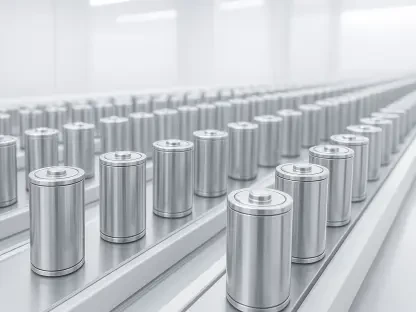
To address the inherent intermittency of solar energy, the expansion includes a sophisticated battery energy storage system capable of managing massive fluctuations in power demand and supply. This energy storage component acts as a critical buffer, storing excess electricity generated during peak sunlight hours and discharging it as needed to maintain a stable power flow across the mining operations. The battery technology utilized here focuses on lithium-ion chemistry optimized for high-cycle durability and rapid response times, which is essential for stabilizing a microgrid that supports heavy industrial machinery. By providing instantaneous frequency control and voltage support, the battery system ensures that the transition between different power sources remains seamless and efficient. Furthermore, the integration of these storage units allows the mining complex to operate more independently from the traditional gas-fired generators that previously dominated the energy mix.
Strategic Impacts
Economic Viability
Beyond the environmental benefits, the move toward a renewable-heavy energy mix provides a strong economic argument for the future of large-scale mining operations. By generating power on-site from solar resources, the company reduces its exposure to the price volatility of imported fuels and the logistical complexities associated with transporting diesel to remote locations. The initial capital expenditure for these renewable assets is offset by significantly lower operational and maintenance costs over the lifespan of the equipment, which can exceed twenty-five years. This shift also fosters the growth of a specialized workforce in the region, as new roles are created in the maintenance, monitoring, and management of advanced green energy systems. The data gathered from these operations will inform future investments, proving that the transition to green energy is a savvy business decision providing a predictable long-term cost profile for heavy industrial players throughout the region.
Green Fuel Exports
The expansion of the solar and battery footprint served as a foundational step for the broader goal of establishing a robust green energy export industry. Stakeholders identified that the excess capacity generated by these massive installations could eventually be diverted to produce green hydrogen and ammonia, transforming the Pilbara into a global renewable energy hub. This strategy moved beyond local consumption, aiming to provide zero-carbon fuels to international markets seeking sustainable alternatives for heavy shipping. From 2026 to 2028, the focus shifted toward optimizing the interplay between regional microgrids to maximize the efficiency of the entire energy ecosystem. This holistic approach ensured that every megawatt produced contributed to the overall goal of achieving net-zero emissions. These actions provided a clear roadmap for other industrial giants to follow in the global transition toward reliable clean power while maintaining industrial output.