
The persistent volatility of domestic fuel markets often triggers immediate political interventions designed to soothe public anxiety regarding escalating costs at the pump. When the Trump administration issued a strategic waiver for the Jones Act, the move was framed as a direct solution to the logistical bottlenecks hindering the distribution of refined petroleum products along the East Coast. Historically, the Merchant Marine Act of 1920 has required that all goods transported by water between U.S. ports be carried on ships that are U.S.-built, U.S.-flagged, and U.S.-crewed. While the temporary suspension of these requirements was intended to allow foreign vessels to supplement the domestic fleet, the immediate impact on gasoline prices remained negligible. This outcome underscores a complex reality. Regulatory relief, while significant in theory, often fails to overcome the entrenched systemic pressures of global crude oil pricing and localized refining constraints that dictate the final cost for consumers.
Regulatory Friction: The Mechanics of the Jones Act Waiver
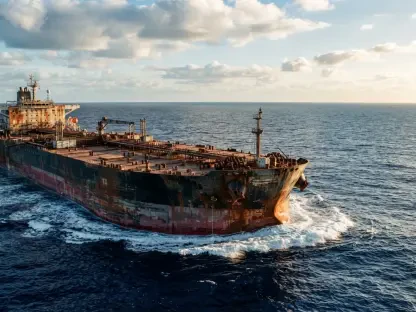
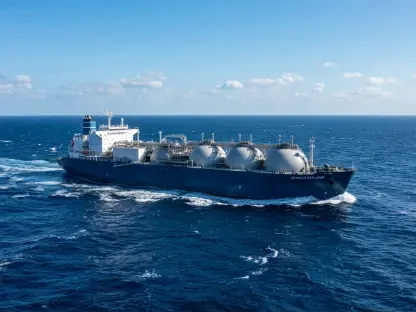
The primary motivation behind the waiver focused on increasing the volume of gasoline flowing from the Gulf Coast to Northeast terminals, where inventories had reached critical lows due to various supply chain disruptions. By allowing foreign tankers to participate in domestic trade, policymakers hoped to leverage a larger pool of available shipping capacity to drive down transportation costs. However, the domestic maritime industry operates within a highly specialized ecosystem where vessel availability is often booked months in advance. This leaves little room for sudden pivots. Foreign ships, even when legally permitted to operate via a waiver, must still navigate the logistical hurdles of finding available berths and aligning with specific terminal requirements. Consequently, the anticipated flood of additional fuel did not materialize with the speed or scale necessary to put downward pressure on retail prices. The waiver highlighted the limitations of using maritime policy as a short-term price tool.
Beyond the immediate logistical challenges, the waiver faced criticism from domestic shipbuilders and labor unions who argued that such measures undermine the long-term stability of the American merchant marine fleet. These stakeholders contend that the Jones Act is essential for national security. It ensures that the United States maintains a robust domestic shipbuilding industry and a skilled workforce of mariners. When waivers are granted, even temporarily, it can create a sense of uncertainty that discourages investment in new, American-made vessels that would otherwise modernize the fleet. This tension between short-term consumer relief and long-term industrial policy remains a central theme in the debate over energy distribution. The failure of the waiver to significantly lower prices suggests that the underlying issues are not merely a lack of ships. Instead, there is a broader misalignment between regional demand and the existing pipeline and refinery infrastructure that supports the entire energy landscape.
Market Evolution: Transitioning Toward Systemic Energy Solutions
To understand why gas prices remained elevated despite the maritime waiver, one must examine the broader global context of crude oil production and the subsequent refining process. The price of gasoline is predominantly dictated by the cost of Brent or West Texas Intermediate crude. These are traded on international exchanges and influenced by geopolitical events far beyond the reach of domestic shipping regulations. Even if transportation costs were reduced by a few cents per gallon through the use of foreign vessels, those savings were often absorbed by the rising costs of raw materials and high refining margins. During this period, refineries were already operating at near-maximum capacity. This meant that even if more oil could be transported more cheaply, the ability to turn that oil into usable gasoline was physically limited. This bottleneck at the refinery stage meant that the supply of finished fuel could not increase enough to meet the demand that was driving prices upward.
The administration’s attempt to mitigate fuel costs through maritime deregulation provided a valuable case study in the limitations of executive action within integrated global markets. It was observed that the structural deficiencies in the national energy network required more than just temporary waivers. They demanded a comprehensive reassessment of how fuel was moved and processed across state lines. Policy analysts concluded that a multi-faceted commitment to infrastructure investment and the diversification of the energy mix represented the only viable path forward from 2026. A primary solution was identified in the acceleration of modular refinery technologies that were designed to be deployed closer to high-demand areas. This significantly reduced the reliance on long-distance maritime transport. It was established that policy initiatives needed to focus on creating a predictable regulatory environment. This encouraged the construction of new U.S.-flagged vessels and ensured the domestic fleet remained strong.