
The Fragile Equilibrium: Why the Persian Gulf Is Rattling Global Energy Markets
The global energy market is currently experiencing a period of intense instability as Brent crude oil prices surge toward the critical triple-digit mark. This volatility stems directly from the intensifying military friction between Washington and Tehran, which has left traders on high alert.
Surpassing the $100 threshold represents a significant psychological and economic tipping point for the world economy. Such a move would likely accelerate global inflation and undermine energy security. Military strikes, stalled diplomatic efforts, and deep structural supply deficits are now converging into a perfect storm for the energy industry.
Catalysts for a Breakout: Examining the Geopolitical and Structural Bull Case
The current price action suggests that the market is preparing for a potential breakout beyond traditional resistance levels. Geopolitical analysts observe that the war premium is no longer a speculative concept but a tangible factor embedded in daily pricing structures.
Underlying this bullish trend is the realization that military posturing often precedes long-term supply disruptions. While some view the current tension as a localized event, the integration of regional conflicts into global trade routes suggests a more systemic shift in energy pricing.
Kinetic Escalation: How “Self-Defense Strikes” and IRGC Rhetoric Fuel Market Anxiety
Recent military actions by U.S. Central Command targeting sites in southern Iran have sparked immediate reactions in crude futures. These strikes, categorized as defensive maneuvers, were met with harsh rhetoric from the Revolutionary Guard, which claimed to have engaged high-tech aircraft and drones.
As prices hover near the $100 mark, the market reflects a heightened fear of sustained regional conflict. Industry observers are divided between those who anticipate a cooling period and those who worry that retaliatory cycles will lead to a permanent escalation in crude costs.
Diplomacy Deficit: Navigating Mixed Signals and the $24 Billion Stalemate
The White House has expressed a cautious optimism regarding a potential deal to stabilize the region, yet a significant diplomacy deficit remains. Iran continues to demand the release of $24 billion in frozen assets as a non-negotiable prerequisite for any formal memorandum of understanding.
Moreover, the expansion of the Abraham Accords plays a complex role in these negotiations, influencing regional alliances and production quotas. The dual-track policy of using military force as a leverage tool for diplomacy keeps the market in a state of constant uncertainty.
Inventory Erosion: Probing the One-Billion-Barrel Supply Gap and UBS Projections
Market fundamentals indicate that global oil inventories dropped by approximately 246 million barrels during the spring months. These structural shortages suggest that the current price levels are supported by a genuine scarcity rather than mere speculative trading.
Analysts suggest that the total production loss could reach one billion barrels by the end of May. This massive supply gap reinforces the argument that the energy market is strongly undersupplied, providing a solid floor for prices regardless of geopolitical headlines.
Shipping Bottlenecks: The Strategic Vulnerability of the Strait of Hormuz
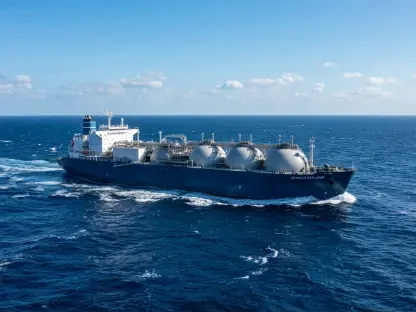
The Strait of Hormuz remains a critical energy chokepoint, and any disruption to its maritime traffic has immediate global consequences. Recent threats involving drone-based warfare and electronic interference represent a new era of risk compared to historical shipping crises.
If negotiations fail and strikes on naval vessels intensify, the potential for a complete bottleneck increases. Such a scenario would leave the energy market with few alternatives, likely forcing prices well above the $100 ceiling as supply chains face unprecedented strain.
Strategic Responses to Volatility: Protecting Interests in an Era of High-Stakes Geopolitics
Energy stakeholders must navigate the intersection of aggressive military postures and widening supply-demand imbalances. Protecting interests in this environment requires a nuanced understanding of how geopolitical rhetoric influences market liquidity and long-term investment strategies.
Hedged positions and diversified supply chains are essential tools for managing these risks. Monitoring inventory data and diplomatic signaling provides the best indicators for identifying whether the next major price move will be a retreat or a further surge.
Conclusion: Balancing the Scales Between a Grand Bargain and $100 Oil
The energy market recognized that while diplomacy remained a possibility, the reality of $100 oil became increasingly likely. The combination of military action and low supply stocks created a landscape where high prices were difficult to avoid.
Strategic shifts in US-Iran relations accelerated the global focus on alternative energy and economic stability. Ultimately, the industry learned that managing the transition required a balance between navigating temporary peaks and preparing for a new era of high-cost energy.