
The sudden collapse of diplomatic negotiations between Washington and Tehran in early May 2026 has effectively shattered the global community’s hope for a stabilizing peace treaty in the Middle East. Instead of the anticipated transition toward regional cooperation, a dramatic resurgence of military tension has thrust the international energy market into a state of acute uncertainty. This pivot from cautious engagement to active hostilities marks one of the most volatile periods for the global economy in recent years, as the core of the dispute centers on the physical security of the world’s most critical maritime chokepoint. While previous strategies focused on containment and indirect pressure, the current atmosphere is defined by direct naval friction and the persistent threat of targeted strikes on critical infrastructure. As the shadow of conflict looms over the Persian Gulf, the reliability of the global energy supply chain faces a test of unprecedented proportions, with stakeholders preparing for a protracted period of high-intensity disruption.
Naval Confrontation and Regional Blowback
Escalation in the Maritime Channels
The initial spark for this most recent phase of the conflict was a high-risk maritime operation known as Project Freedom, which was launched on May 3, 2026, to break a naval blockade. This U.S.-led initiative aimed to provide direct military protection for commercial tankers that had been trapped in the Strait of Hormuz for several weeks due to aggressive Iranian patrolling. However, the attempt to force a passage led to immediate and violent naval skirmishes between American surface vessels and Iranian fast-attack craft. While Washington officials confirmed the neutralization of several hostile units during the exchange, Tehran maintained a posture of complete defiance, dismissing the tactical losses and reasserting its dominance over the waterway. This shift from a tense standoff to an active shooting war has effectively dismantled any lingering prospects for a negotiated reopening of the channel. The tactical stalemate now serves as a barrier to global shipping, creating a bottleneck that prevents millions of barrels of crude from reaching the market.
Iranian leadership has capitalized on the chaos of the naval skirmishes to frame the American presence as a destabilizing force, utilizing the Project Freedom initiative as a rhetorical tool to rally regional support. Foreign Minister Abbas Araghchi famously rebranded the operation as Project Deadlock, asserting that the maritime channel would remain closed as long as foreign military assets were present. This tactical positioning is more than just propaganda; it represents a fundamental shift in Iran’s strategy from reactive defense to proactive maritime denial. By maintaining a credible threat to any vessel attempting to transit the Strait, Iran has effectively seized control of the narrative, forcing the international community to acknowledge that shipping security is entirely contingent on Persian Gulf cooperation. The resulting paralysis in the maritime corridor has not only halted the movement of energy products but has also forced shipping companies to seek alternative, more expensive routes, further inflating the cost of global commerce and complicating logistics for major industrial nations.
Geographic Pressure and Strategic Assets
A deeply concerning expansion of the conflict occurred when Iranian forces resumed targeted missile and drone strikes against the United Arab Emirates, specifically targeting the city of Abu Dhabi. These attacks, the first of their kind in several months, represent a calculated effort by Tehran to broaden the scope of the conflict and punish regional neighbors that provide logistical support to Western powers. By activating missile defense systems in major Emirati urban centers, Iran is sending a clear message that the physical safety of the region’s energy infrastructure is tied to the cessation of American military operations. This strategy of lashing out is designed to create a sense of regional insecurity that pressures the UAE and other Gulf states to distance themselves from Washington’s hardline policies. The strikes on Abu Dhabi serve as a grim reminder that the conflict is no longer confined to the open sea but has the potential to devastate the terrestrial hubs of the global energy industry, putting years of development and investment at immediate risk.
Beyond the immediate kinetic impact of the drone strikes, there is a significant strategic undercurrent involving energy policy and the internal dynamics of the Organization of the Petroleum Exporting Countries. Iran appears to be utilizing these attacks as a form of leverage to prevent the UAE from considering a unilateral increase in production or an exit from current output agreements. The message is simple yet effective: no matter how much oil a country can produce, the physical ability to export that energy is entirely dependent on Iranian acquiescence. This creates a powerful deterrent against any regional power that might seek to capitalize on high energy prices by filling the void left by the Hormuz blockade. These maneuvers demonstrate that Tehran is willing to risk a total regional conflagration to ensure its strategic relevance, effectively holding the energy security of the world hostage to its political survival. The resulting atmosphere of fear has forced many regional players to reconsider their alignment, as the cost of supporting the American initiative now includes the risk of domestic infrastructure destruction.
Economic Fallout and Diplomatic Deadlocks
Energy Security and Market Volatility
The prolonged closure of the Strait of Hormuz has brought the global economy to what many analysts are calling a critical tipping point as the world’s energy inventories are being rapidly depleted. During the initial period of restricted flow, many nations relied on strategic reserves and existing stockpiles to mitigate the impact, but these buffers are now reaching dangerously low levels. Financial experts, including Ben Powell of BlackRock, have noted that the delayed impact of this supply shock is finally manifesting in the form of higher consumer prices and reduced industrial productivity. As the physical scarcity of crude oil becomes a reality, the ripple effects are being felt across diverse sectors, from transportation and logistics to the manufacturing of essential plastics and chemicals. The inability to secure a steady supply of energy has introduced a level of systemic risk that threatens the stability of the global recovery, making it increasingly difficult for central banks to manage inflationary pressures while maintaining economic growth in a volatile environment.
The response from the international financial markets has been characterized by extreme volatility and a profound sense of unease as the geopolitical risk premium becomes a permanent fixture of asset pricing. Asian bourses saw significant declines in the wake of the Abu Dhabi attacks, and while European and American markets have attempted slight recoveries, the underlying sentiment remains fragile and reactive. Investors are no longer viewing the U.S.-Iran tension as a temporary flare-up but as a long-term structural threat to corporate earnings and market stability. This realization has led to a flight toward safe-haven assets, while energy-intensive industries see their valuations slashed by the prospect of sustained high fuel costs. The current environment is one of wait-and-see, where every headline regarding a naval engagement or a diplomatic failure can trigger massive sell-offs. This economic instability is not just a concern for Wall Street; it represents a direct threat to the standard of living for millions of people who are now facing the reality of an energy crisis that shows no signs of an easy resolution.
Diplomatic Impasse and Future Trajectories
Attempts to find a diplomatic exit from the current crisis have met with repeated failure, as mediation efforts facilitated by Pakistan and other third-party actors have reached a total impasse. The rhetoric from both Washington and Tehran has hardened significantly, with U.S. President Donald Trump warning of devastating military consequences if American assets continue to be targeted in the region. Conversely, Iranian officials have cautioned the United States against being dragged into a quagmire that could deplete its military and political capital for years to come. This lack of communication has left the international community in a state of paralysis, as the standard tools of diplomacy appear insufficient to bridge the gap between two sides that are now deeply committed to their respective military postures. The consensus among geopolitical experts, such as Tina Fordham of Fordham Global Foresight, is that the situation has evolved into a binary choice for the U.S. between an open-ended military engagement or a strategic retreat that would be perceived as a major diplomatic defeat.
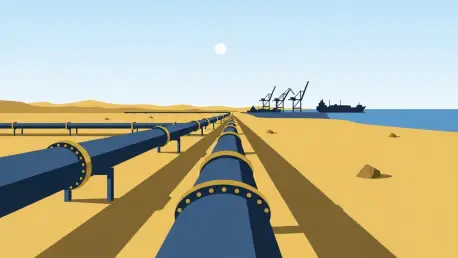
The transition from containment to escalation in May 2026 revealed that the previous era of managed tensions had officially concluded, leaving the global community to grapple with the aftermath of a failed deterrence strategy. Military solutions were prioritized over political ones, leading to a significant depletion of energy reserves and a marked increase in regional instability that lasted throughout the year. The international community realized that the physical control of maritime chokepoints remained the ultimate form of leverage in a world still heavily dependent on fossil fuels. Moving forward, the most effective path involves a diversification of energy transit routes that bypass the Strait of Hormuz, such as pipelines through Saudi Arabia and Oman, to reduce the strategic weight of Iranian threats. Furthermore, the global market should shift its focus toward accelerated investment in alternative energy sources to decouple economic stability from Middle Eastern military volatility. Strengthening regional security frameworks that include non-Western powers will be essential to ensure that future disputes do not immediately translate into global energy shocks.