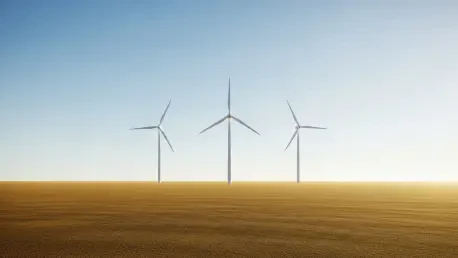

The sprawling landscapes of West Texas, long synonymous with the rhythmic nodding of oil pumpjacks and the dusty trails of cattle ranching, are undergoing a profound structural metamorphosis that redefines the state’s economic identity. While the legacy of crude oil production remains a cornerstone of the regional culture, the horizon is increasingly dominated by towering white turbines that harness the relentless winds of the Great Plains. Today, Texas stands as the undisputed leader in domestic wind energy generation, with these colossal structures contributing approximately 29% of the electricity on the state’s independent power grid. This shift is not merely an ideological pursuit of sustainability but rather a pragmatic economic evolution driven by a desire for financial security in regions often neglected by metropolitan growth. By embracing renewable resources, conservative rural counties are finding new ways to fund essential public services and bridge the gap between tradition and innovation. This transformation suggests that the wind is no longer just a force of nature to be weathered, but a harvestable resource that offers a steady alternative to the volatility of fossil fuel markets.
Leveraging Tax Incentives for Regional Stability
The primary engine driving this dramatic transformation is a sophisticated framework of state-level tax incentives, most notably found within Section 312 of the Texas Tax Code. These agreements allow local governments to offer temporary property tax reductions to energy companies in exchange for substantial upfront capital investments and significant community donations. For rural counties that have historically suffered from the volatile boom-and-bust cycles inherent to the global oil market, these wind projects provide a much-needed layer of financial insulation. Instead of watching local budgets fluctuate wildly based on the per-barrel price of crude, administrators can now rely on more predictable revenue streams that remain consistent regardless of commodity market shifts. This fiscal stability enables long-term planning for critical infrastructure projects that might otherwise remain unfunded, ensuring that the remote reaches of the state can maintain a high standard of living for their residents without placing an undue burden on the existing taxpayer base.
Building on this financial foundation, the revenue generated from wind farm operations is being funneled directly into the bedrock of local society, specifically targeting public education and transportation networks. In many of these sparsely populated regions, the tax base was previously too narrow to support the extensive road repairs necessitated by heavy industrial equipment or the modernization of aging school buildings. With the influx of wind-related funding, school districts have been able to upgrade technology in classrooms, hire specialized staff, and reduce the tax burden on local homeowners. Furthermore, the maintenance of county roads, which are essential for both the agricultural and energy sectors, has become more manageable. This targeted investment ensures that the physical and intellectual infrastructure of rural Texas remains competitive, fostering an environment where young people can envision a future without having to migrate to larger urban centers. The wind industry thus acts as a silent benefactor for the next generation of rural Texans.
Strengthening Rural Communities and Private Land Rights
Beyond the collective benefits realized at the county level, the expansion of wind power offers a vital lifeline for individual private landowners and multi-generational ranching families. Long-term lease agreements allow ranchers to host wind turbines on their property in exchange for recurring monthly payments, creating a dual-use land model where traditional agriculture and modern energy production coexist. This supplementary income is often the deciding factor in whether a family can keep their land or is forced to sell it due to the rising costs of fuel, equipment, and livestock feed. Since the physical footprint of a wind turbine is relatively small, cattle can continue to graze and crops can still be harvested around the base of the structures. This financial redistribution occurs directly within the local community, fostering a sense of ownership and acceptance of renewable projects even in areas where cultural ties to the fossil fuel industry run deep and historical land preservation remains a top priority for most residents.
Furthermore, the social impact of these energy projects extends to the most vulnerable members of rural populations, particularly the elderly who often face significant challenges in remote areas. Local governments have increasingly used wind-derived funds to establish innovative social programs, such as cooling assistance initiatives that provide financial aid for electricity bills during the intense heatwaves of the Texas summer. This is often paired with the development of robust telemedicine infrastructure, which is a critical necessity for residents living hundreds of miles from the nearest metropolitan hospital or specialist clinic. By investing in high-speed internet and local health kiosks, counties are ensuring that their senior citizens can access quality medical care without the physical and financial strain of long-distance travel. These programs demonstrate that the wind industry is not just about generating power for the grid, but about enhancing the quality of life and health outcomes for those who call the remote regions of the state their home.
Implementing Long-Term Strategies for Economic Integration
The strategic deployment of wind energy across the rural expanses of Texas established a blueprint for how legacy energy regions could successfully navigate the complexities of a changing global market. By prioritizing local control and direct reinvestment, stakeholders ensured that the benefits of technological advancement were not confined to urban tech hubs but were shared with the agricultural heartland. Moving forward, the focus shifted toward optimizing the existing grid infrastructure and expanding battery storage capabilities to maximize the efficiency of every megawatt produced. Leaders recognized that maintaining this momentum required continued transparency in tax agreements and a commitment to workforce development programs that trained local residents for high-tech maintenance roles. This proactive approach transformed potential economic obsolescence into a period of renewed growth and stability. The state effectively demonstrated that the path to a resilient future was paved with a diverse energy portfolio that respected traditional roots while embracing the innovations of the present.