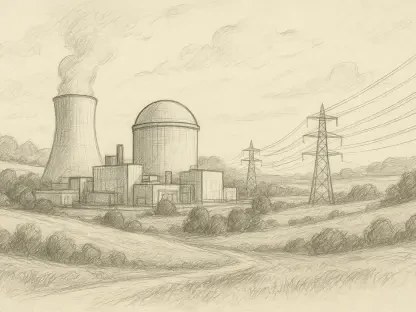

The persistent tension between vast natural wealth and institutional maturity remains the defining challenge for resource-rich nations seeking to escape the volatility of global commodity markets. Angola stands as a primary example where the energy sector is no longer viewed as a series of isolated

Skyward Ambitions: Leading the Charge for Greener Skies in Southeast Asia The rapid transformation of Southeast Asian flight corridors has forced a radical rethink of energy procurement as traditional fuels struggle to keep pace with decarbonization mandates. By participating in the recent Asia

Global energy markets are currently witnessing a seismic shift as traditional combustion methods struggle to meet the stringent carbon neutrality targets established for the period between 2026 and 2030. Chemical looping combustion offers a transformative alternative by utilizing metal oxides as
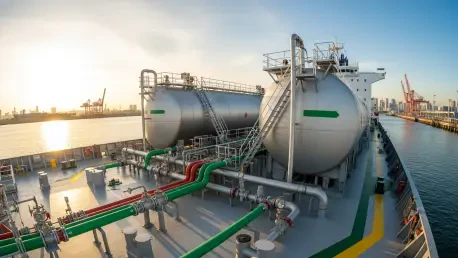
The global maritime industry is currently navigating its most significant transformation since the transition from coal to heavy fuel oil, seeking sustainable alternatives to meet the increasingly stringent net-zero targets established by international regulators. Within this rapidly evolving

While oil prices have retreated from wartime peaks, the global energy landscape is currently a paradox of surface-level stability masking deep-seated geopolitical volatility that continues to reshape international trade. Understanding these dynamics is essential for global trade, as shifts in the

The rapid proliferation of energy-intensive artificial intelligence clusters and hyperscale cloud facilities has fundamentally disrupted the decades-long trend of stagnant electricity demand across the United States. Federal regulators are now responding to this shift by issuing "show cause" orders