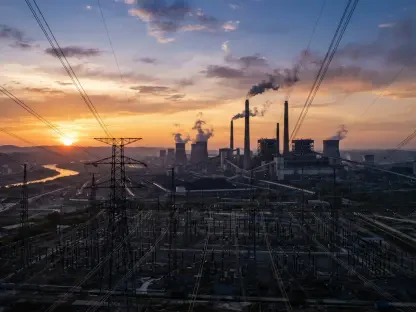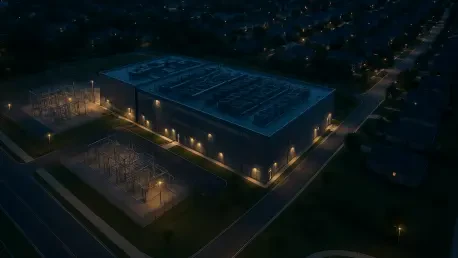

In what some activists describe as a Wild West environment, massive data centers are being proposed near residential areas without adequate notice or environmental safeguards. This situation has placed the city of Austin at a precarious crossroads as it navigates the explosive expansion of artificial intelligence infrastructure. While the global appetite for AI processing power shows no signs of slowing down, the physical facilities required to sustain this digital surge—often referred to as hyperscale data centers—are materializing at a pace that far exceeds the adaptability of local governance. This rapid deployment has sparked a complex conflict between the city’s long-standing technological aspirations and the immediate, tangible need to protect the regional power grid, municipal water reserves, and the overall quality of life for central Texas residents. As developers eye the Austin metro area for its connectivity and talent, the lack of a modern regulatory framework has left many wondering if the city can maintain its environmental integrity while remaining a global hub.
Closing the Regulatory Gap: Implementing New Standards
At present, the city of Austin operates without specific land-use regulations tailored to the unique demands of data centers, creating a significant administrative gap that developers have utilized to bypass standard scrutiny. Under the current municipal code, these massive industrial complexes are often permitted under generic commercial or industrial categories, which allows them to avoid the rigorous environmental impact studies and public hearings required for other high-impact projects. This regulatory oversight means that a facility consuming vast amounts of electricity and water can essentially break ground with minimal oversight, often catching local planning commissions off guard. Without a specialized zoning designation, city officials struggle to vet the long-term societal and ecological costs of these projects before they become permanent fixtures of the landscape. This absence of clear policy has forced a reactive stance, as the city now scrambles to define what constitutes a high-impact digital facility and how to govern its footprint.
To address these systemic vulnerabilities, city leaders are championing a comprehensive suite of new ordinances designed to categorize and regulate high-impact data centers with greater precision. The proposed framework introduces a mandatory approval process for any facility that exceeds a 75-megawatt power threshold, ensuring that the local energy grid is not compromised by sudden, massive loads. Furthermore, the new standards aim to mandate the use of closed-loop cooling systems to preserve the region’s increasingly scarce water supply, effectively banning older, more wasteful evaporation-based cooling methods. Beyond environmental concerns, the legislation includes strict limits on noise levels from industrial cooling fans and light pollution that threatens the surrounding neighborhoods. Importantly, some council members are advocating for the total elimination of property tax abatements for these projects, arguing that taxpayer money should not subsidize private industrial growth that places a net strain on community infrastructure or creates few local jobs.
Balancing Resource Consumption: The Push for Innovation
The massive scale of these modern AI facilities introduces a logistical burden that few municipalities are equipped to handle without significant upgrades. A single hyperscale data center can utilize as much electricity as approximately 25,000 single-family homes, creating a concentrated demand that tests the resilience of the Texas electrical grid and local distribution networks. This intensity of use is often compounded by what officials describe as a transparency crisis, where data center operators maintain high levels of secrecy regarding their real-time power and water consumption. In the absence of voluntary reporting, Austin planners have been forced to pursue localized data collection strategies to accurately forecast how these facilities impact utility rates and service reliability for residential customers. The tension is palpable as the city seeks to ensure that the digital economy does not come at the direct expense of basic utility stability, particularly during periods of extreme heat when resources are already stretched thin.
Despite the clear environmental and logistical hurdles, a growing faction of industry experts and researchers cautions that overly restrictive regulations might inadvertently stifle the very innovation that could solve these problems. Currently, several pilot programs in the Austin area are testing next-generation liquid cooling technologies and heat-recycling systems that promise to reduce the carbon footprint and water usage of data centers significantly. These proponents suggest that the legislative focus should shift toward incentivizing sustainable architectural designs and high-efficiency hardware rather than implementing blanket bans or prohibitive zoning hurdles. By fostering an environment where technological progress is coupled with ecological responsibility, the city could potentially transform these data centers into net-positive assets that contribute to grid stability through integrated battery storage. This perspective emphasizes a balanced approach, seeking a middle ground where the city supports the AI boom while holding developers accountable for the physical footprint of their operations.
Learning from Local Resistance: Setting a Global Precedent
The momentum behind Austin’s legislative push is fueled largely by the friction observed in nearby jurisdictions like Hays County and San Marcos, where uncontrolled data center growth has met fierce community resistance. Residents in these peripheral areas have organized protests against the pervasive industrial hum of high-powered cooling units and the loss of dark sky environments due to 24-hour facility lighting. The economic impact on surrounding property values and the perceived loss of rural character have turned data center development into a lightning rod for local political activism. San Marcos recently took the drastic step of implementing a total ban on new hyperscale data centers, a move that has intensified the pressure on Austin to finalize its own rules before developers migrate their projects into the city’s less-regulated zones. This regional shift highlights a growing public awareness of the physical costs associated with the digital cloud, pushing Austin to act as a defensive gatekeeper for its residents’ interests while maintaining its status as a tech hub.
Ultimately, the strategic implementation of these zoning tools provided a necessary defense for the community’s long-term environmental health and stability. By securing the authority to evaluate and potentially reject projects that failed to meet rigorous sustainability criteria, city leaders established a clear precedent for how urban centers should manage the physical demands of the AI era. This legislative journey proved that technological expansion did not have to occur at the expense of vital natural resources or public transparency. The resulting framework offered a sophisticated blueprint for other tech-heavy cities across the nation, demonstrating that proactive governance could successfully integrate industrial-scale computing into sensitive urban ecosystems. Moving forward, the focus turned toward continuous monitoring and the adoption of emerging green technologies to ensure that the digital infrastructure remained compatible with the region’s evolving ecological needs. These measures ensured that Austin remained a leader in innovation while safeguarding the essential resources that sustained its growth.