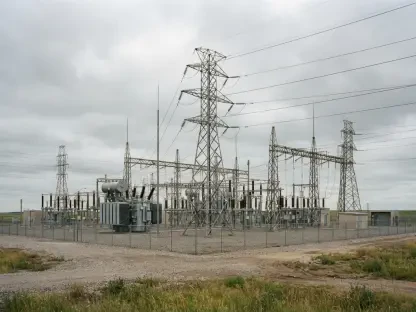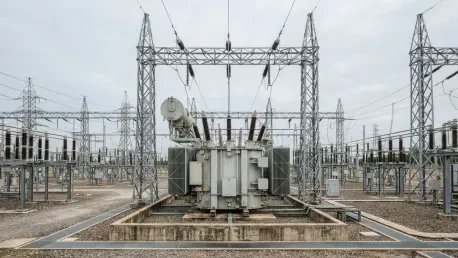

The silent hum of the American electrical grid now carries the weight of intense geopolitical scrutiny as federal mandates reshape the procurement landscape for critical energy infrastructure. Executive Order 14421 represents a pivotal shift in how the United States approaches the security and resilience of its electrical system. Aimed at protecting the Bulk-Power System from foreign adversarial threats, the directive empowers the Department of Energy to monitor, block, and even mandate the removal of high-risk foreign equipment and digital services. While the objective of fortifying the grid against sabotage is met with broad support, the practical implementation of these mandates introduces a complex set of challenges. This analysis explores the tension between national security imperatives and the logistical realities of a globalized supply chain.
The current regulatory environment requires a delicate balance between immediate protection and long-term grid stability. The Department of Energy has taken a leading role in identifying vulnerabilities that could be exploited by foreign entities, focusing particularly on equipment that controls the flow of electricity across state lines. As utilities work to comply with these stringent requirements, the market is seeing a fundamental shift in how assets are valued and sourced. The directive is not merely a technical guideline but a foundational change in the economic strategy governing American power, signaling that the era of prioritizing the lowest cost over secure origin has effectively ended.
Origins of Grid Security Mandates
The necessity for Executive Order 14421 is rooted in a historical shift toward digitalized and interconnected energy infrastructure. Traditionally, the power grid relied on isolated mechanical systems, but modern upgrades have introduced software-defined components and remote-access capabilities that create new vulnerabilities. Past developments, including increasing cyberattacks on critical infrastructure and a growing reliance on foreign-manufactured hardware, have shaped the current regulatory landscape. This order builds upon the realization that the physical perimeter of the grid is no longer its only weak point; the digital supply chain has become a primary frontier for national defense.
This evolution from analog to digital has made the integrity of every transformer and circuit breaker a matter of national concern. In previous decades, a transformer was simply a piece of heavy machinery, but today it is often equipped with sensors and communication modules that can be accessed from across the globe. The realization that a foreign adversary could theoretically trigger a widespread blackout through a backdoor in hardware prompted a reassessment of supply chain risks. Consequently, the government has moved from a reactive posture to a proactive one, establishing a framework where the origin of every component is scrutinized for potential risk.
Navigating Implementation and Industry Impact
Balancing National Security and Practical Logistics
The most critical aspect of Executive Order 14421 is the authority granted to the Secretary of Energy to prohibit the installation of components that present undue risk to U.S. infrastructure. This includes not only hardware like large power transformers but also firmware and digital services. While industry stakeholders support the goal of a secure grid, many argue for a function-over-origin approach. Supporting data suggests that technical vulnerabilities can exist regardless of a component’s country of origin, making it difficult to rely solely on geographic bans. The challenge lies in creating rigorous, verifiable cybersecurity protocols that ensure safety without causing a total paralysis of procurement processes for utilities already facing massive energy demands.
The administrative burden of vetting every vendor has already begun to impact lead times for major projects. Utilities must now perform deep-dive audits of their suppliers, often reaching back to the third or fourth tier of the manufacturing process to ensure compliance. This level of transparency is unprecedented in the energy sector and requires a significant investment in specialized personnel and software. Furthermore, the definition of undue risk remains a moving target, as new threats emerge and geopolitical alliances shift, leaving many providers in a state of perpetual adjustment as they attempt to modernize the grid.
Addressing Supply Chain and Economic Constraints
Another essential angle involves the sheer scale of the U.S. power grid’s current expansion, with projected spending exceeding $1 trillion through 2030. The U.S. is heavily dependent on foreign imports, particularly from China, to meet this demand. For instance, the market for large power transformers has grown significantly, yet shortages of up to 15% are expected by the end of 2026. Restricting these units could exacerbate existing deficits, leading to increased costs for utilities and ratepayers. Industry experts warn that a radical “rip-and-replace” strategy for existing equipment may be financially impossible, potentially creating stranded assets that destabilize the investment environment.
The economic implications extend to the very timeline of the energy transition. As the nation attempts to integrate more renewable energy and support the massive power needs of data centers, the demand for high-voltage equipment is at an all-time high. If the pool of approved suppliers is too small, the resulting competition for limited stock will drive prices upward, potentially slowing the deployment of clean energy technologies. This creates a difficult trade-off where the pursuit of a secure grid might inadvertently hinder the pursuit of a sustainable one, forcing policymakers to weigh the speed of progress against the necessity of defense.
Managing Software Complexity and Digital Risks
The complexity of modern infrastructure adds further layers of difficulty to the order’s enforcement. With large organizations facing thousands of cyberattacks weekly, securing the digital perimeter is paramount. However, tracing the exact origin of software is notoriously difficult, as most modern systems utilize global open-source libraries. Experts suggest that rather than attempting to audit millions of lines of code, the Department of Energy should focus on secure proxies and standardized updates. This approach addresses misconceptions that geographic bans alone can solve security issues, emphasizing that a robust defense requires sophisticated, technology-neutral standards.
Software maintenance also presents a unique challenge, as many legacy systems require updates from international teams. If these teams are located in nations deemed adversarial, the grid could be left without critical security patches, creating a paradox where a ban intended to increase safety actually leaves the system more vulnerable to common exploits. The industry is currently exploring the use of isolated “sandbox” environments to test updates before they are deployed to the live grid, but such measures add time and cost to daily operations.
Future Trends in Energy Infrastructure
As the energy landscape evolves, several emerging trends will shape the future of the power grid under these new regulations. We are likely to see a shift toward vendor prequalification, where the Department of Energy establishes a trusted list of suppliers to provide clarity for long-term contracts. Additionally, technological innovations in domestic manufacturing and AI-driven security monitoring will play a larger role in reducing foreign dependence. The push for domestic production is expected to accelerate from 2026 to 2028, as federal incentives and the threat of procurement bans encourage manufacturers to relocate facilities to North America or friendly allied nations.
Speculative insights suggest that while regulatory oversight will tighten, the industry will move toward a more regionalized supply chain, prioritizing “friend-shoring” to maintain both security and the rapid pace of electrification. We might also see the rise of blockchain-based supply chain tracking, which could provide an immutable record of every component’s journey from the factory to the substation. This would allow for real-time verification of compliance, reducing the administrative burden on utilities while providing the government with the transparency it requires to maintain national security in an increasingly volatile world.
Strategic Recommendations for Grid Stakeholders
The analysis of Executive Order 14421 leads to several major takeaways and actionable strategies for the energy sector. To navigate this changing environment, utilities should adopt a phased approach to compliance, ensuring that immediate security upgrades do not compromise grid stability. Best practices include integrating existing frameworks from the National Institute of Standards and Technology into procurement cycles and investing in diverse supply chains to mitigate the risk of federal intervention. Diversification is no longer just a financial strategy; it is a regulatory requirement that protects against the sudden loss of a primary vendor due to geopolitical shifts.
Professionals should also focus on enhancing transparency with regulators regarding software components, utilizing a Software Bill of Materials to track and secure digital assets in real-world scenarios. By documenting the origin and version of every piece of code, companies can quickly identify and remediate vulnerabilities when new threats are discovered. Additionally, investing in workforce training is essential, as the intersection of electrical engineering and cybersecurity requires a new breed of technician capable of understanding both physical power flows and digital logic.
Protecting the Future of American Power
The implementation of Executive Order 14421 established a rigorous precedent for how the nation protects its most vital assets against sophisticated foreign threats. This policy underscored the vital importance of the power grid to national sovereignty and forced a necessary, albeit difficult, conversation about the vulnerabilities inherent in a globalized supply chain. By addressing the digital nature of modern infrastructure, the order set the stage for a more resilient future. The success of this transition relied on a nuanced execution that balanced the absolute need for security with the practicalities of economic affordability and the rising demand for electricity.
The strategy pursued by the Department of Energy eventually moved toward a sophisticated, standards-based model that favored technical integrity over simple geographic restrictions. This evolution allowed the United States to continue modernizing its grid while maintaining a robust defense against sabotage. Stakeholders who embraced transparency and diversified their procurement strategies found themselves better positioned to thrive in this new regulatory landscape. Ultimately, the ability to harmonize high security standards with the hard realities of global manufacturing became the defining factor in securing the nation’s energy future for decades to come.