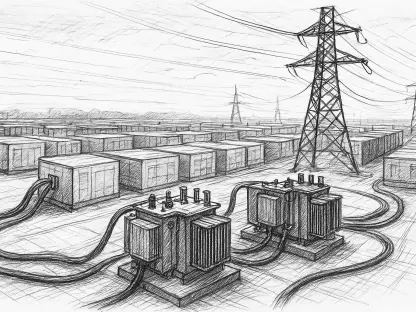

The move toward non-pipeline alternatives is a central pillar of a new planning framework designed to avoid massive and unnecessary capital construction projects. In regions across the country, the energy landscape is currently struggling with a dual affordability crisis that threatens the

The collapse of the recent sixty-day ceasefire has forced the global community into an unprecedented standoff where the lines between international finance and naval combat have become indistinguishable. As the Middle East conflict enters its sixth month without a formal truce, Washington is
Christopher Hailstone brings a wealth of experience in energy management and grid security, making him a pivotal voice in the current debate over Australia’s energy future. As we stand at a crossroads for national fuel policy, his insights into how the utility sector can pivot toward sustainable,
Domestic energy security hinges on the ability of the United States to fill a massive supply gap left by the global concentration of nuclear fuel in foreign state-owned enterprises. For several decades, the American nuclear industry experienced a steady decline in its enrichment capabilities,
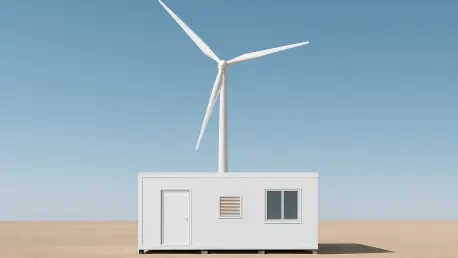
The mechanical noise from wind turbines in Bahia has displaced native wildlife like the caititu, forcing these animals into local farms and destroying subsistence crops. This environmental shift is merely the visible surface of a much deeper transformation occurring in Gentio do Ouro, a

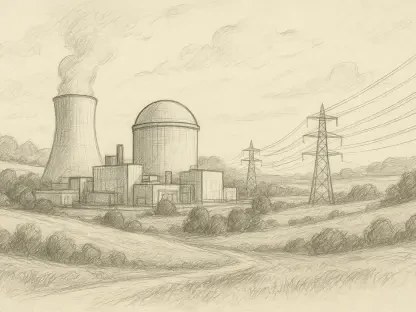
The recent docketing of First American Nuclear’s Regulatory Engagement Plan marks the start of a multi-year administrative journey through the Nuclear Regulatory Commission’s oversight. This Indianapolis-based firm, known as FANCO, has positioned itself at the vanguard of a high-stakes transition